2026 Best Back Up Battery Sump Pump Options for Your Home?
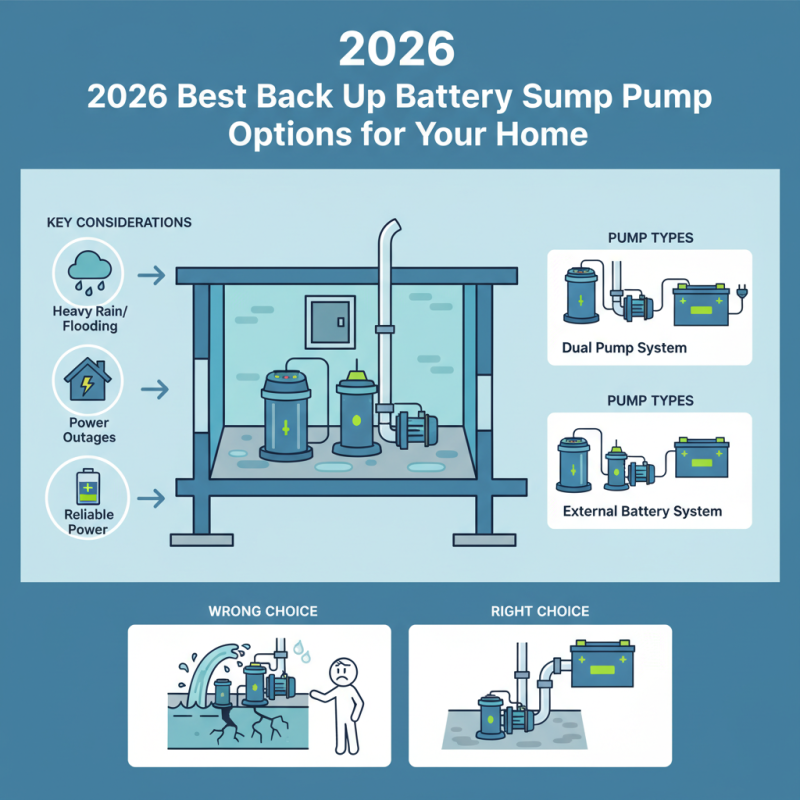
When facing heavy rain or flooding, a reliable back up battery sump pump can be a lifesaver. These pumps offer peace of mind. They ensure your basement stays dry when the power goes out. Homeowners must understand their options for the best back up battery sump pumps available in 2026.
Choosing the right back up battery sump pump can be overwhelming. There are many brands and features to consider. Some pumps are more efficient than others. Some may not provide enough power for larger basements. It's essential to assess your needs before making a choice.
Not all back up systems are created equal. You might face unexpected challenges with installation or maintenance. Finding a pump that fits your home is crucial. Reflect on your home’s unique requirements for the best performance. Investing in the right pump could save you from costly damage down the line.
Top Features to Consider in a Backup Battery Sump Pump
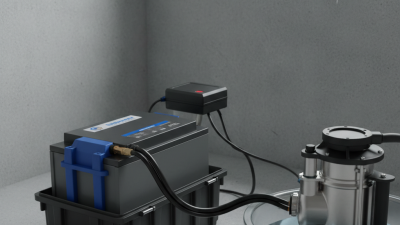
When selecting a backup battery sump pump, several key features should be prioritized. Battery capacity is crucial. A pump with at least 100 Ah can provide sufficient power during outages. This ensures it runs for an extended period when the primary system fails. Data shows that over 25% of homes experience flooding issues during heavy rains. Thus, having a reliable backup is essential.
Another important aspect is the pump's flow rate. A higher flow rate enables quicker water removal, preventing damage. Ideally, look for models that offer over 3,000 GPH at 10 feet of head. Keep in mind that some pumps may not perform as advertised. Real-world tests sometimes reveal discrepancies. Durability also matters. Selecting a pump with corrosion-resistant materials extends its lifespan. Many homeowners overlook this feature, leading to premature failures.
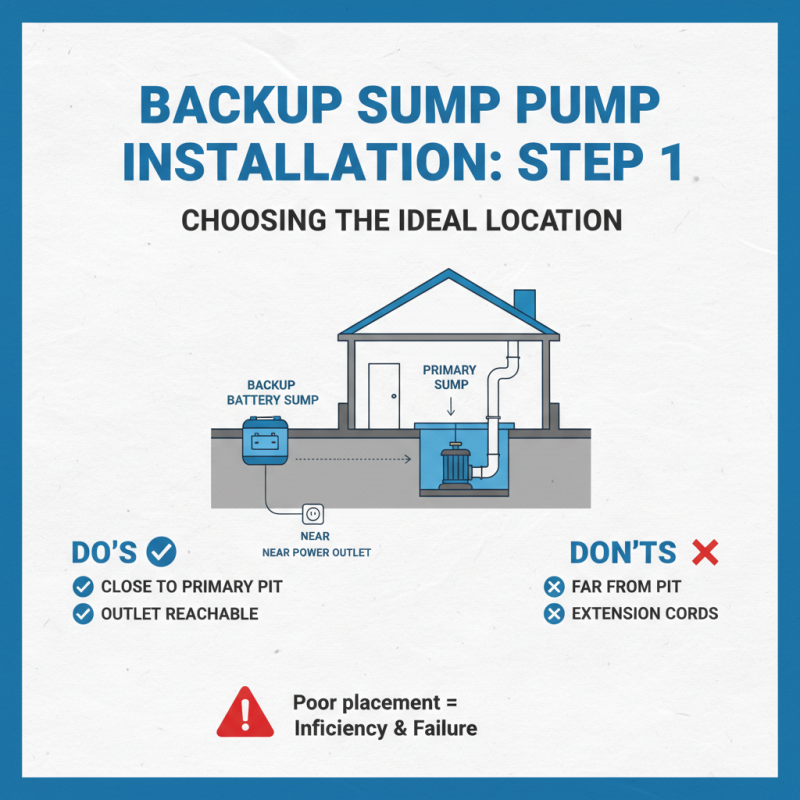
Finally, consider the pump's ease of installation and maintenance. A complicated setup can deter timely use during emergencies. Look for units with clear instructions and accessibility for battery replacement. Many users find that customer support is often lacking. Feedback from homeowners highlights the need for reliable assistance. Engaging with professionals or experienced users can help navigate these challenges.
Comparative Analysis of Popular Backup Battery Sump Pump Models
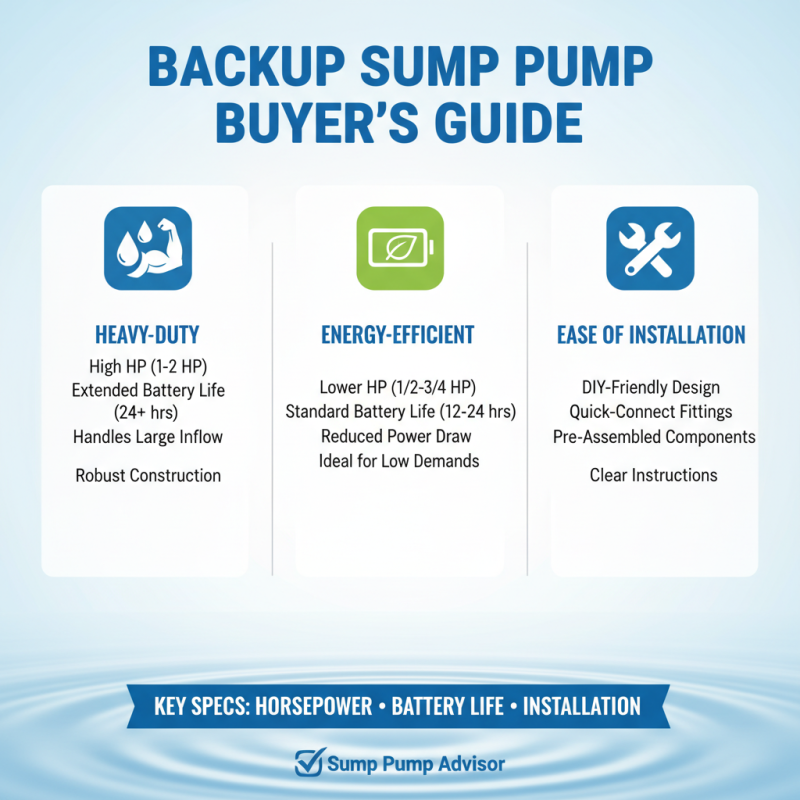
When it comes to choosing a backup battery sump pump, it’s essential to consider various models. Each one offers unique features that can impact efficiency. Some models are designed for heavy-duty use, ensuring they can handle significant water inflow. Others focus on energy efficiency, making them perfect for homes with lower sump demands. Look for key specifications like horsepower, battery life, and ease of installation.
Weight and size are also important factors to consider. A compact model may fit better in tight spaces. However, smaller sizes can sometimes compromise power. Understanding your home’s drainage requirements will help in making the right choice. Additionally, think about maintenance needs. Some pumps require more frequent checks and replacements than others. This oversight can lead to issues during critical times.
Don't overlook the importance of user reviews. They provide valuable insights into performance and reliability. Check for common complaints and praises. This feedback can guide you in navigating potential pitfalls. Ultimately, the right choice depends on your specific situation and preferences. Balancing power, size, and maintenance can be a challenging task.
Maintenance Guidelines for Ensuring Long Lifespan of Sump Pumps
To ensure the longevity of your sump pump, regular maintenance is crucial. Check the pump’s float switch regularly. This component activates the pump when water levels rise. If it gets stuck, it won't operate correctly. Clear any debris around the float. A clean environment is vital for proper function.
Keep an eye on the battery status if your sump pump has a backup battery system. Rechargeable batteries can lose their effectiveness over time. Consider replacing them every couple of years. Check connections for corrosion. Corroded contacts can create issues, leading to pump failure during a storm.
Tips for maintenance: Test your pump every few months. Pour water into the sump pit to ensure it activates. Listen for unusual sounds, which may indicate a problem. Additionally, consider installing a primary drain system. This can reduce wear on your sump pump, extending its life. Always keep a maintenance log. It helps track what has been done and what needs attention.
2026 Best Back Up Battery Sump Pump Options
This chart illustrates the average lifespan (in years) of various back up battery sump pump models, helping you decide which option may be best for your home. Regular maintenance can enhance the lifespan of these pumps.
How to Choose the Right Backup Battery Capacity for Your Needs
When choosing the right backup battery capacity for your sump pump, consider your needs carefully. A battery's capacity is measured in amp-hours (Ah). Higher amp-hour ratings mean longer runtimes during power outages. Assess how long you typically need the pump to run.
Think about your home's size and the amount of water accumulation. Larger homes may require powerful pumps and bigger batteries. But not everyone has the same requirements. Some may only need a pump for minor water issues. Others might face heavy flooding risks. It’s essential to balance power needs with the battery size.
Also, consider your budget. Higher capacity often comes at a higher price. This could lead to hesitation. You must reflect on how much you're willing to invest. Sometimes, people overestimate their needs, leading to unnecessary expenses. Be realistic. Understand your specific situation before making a choice.
2026 Best Back Up Battery Sump Pump Options for Your Home
| Pump Model |
Battery Capacity (Ah) |
Max Flow Rate (GPH) |
Battery Type |
Weight (lbs) |
Estimated Price ($) |
| Model A |
75 |
3000 |
Lead Acid |
45 |
200 |
| Model B |
100 |
3500 |
Lithium-ion |
40 |
250 |
| Model C |
50 |
2000 |
Gel |
55 |
150 |
| Model D |
90 |
4000 |
Lead Acid |
48 |
220 |
| Model E |
120 |
5000 |
Lithium-ion |
35 |
300 |