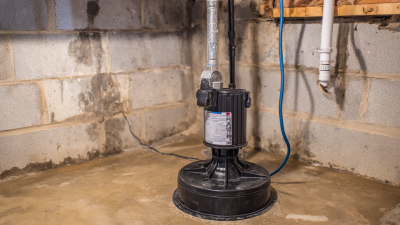
2026 Top Sump Pit Buying Guide for Global Buyers?
In the realm of water management, the importance of a quality sump pit cannot be overstated. Data from the American Society of Home Inspectors highlights that over 60% of American homes face some form of water intrusion. This underscores the critical role sump pits play in safeguarding properties from flooding and moisture damage. A well-chosen sump pit effectively mitigates these risks, offering peace of mind for homeowners and builders alike.
Industry reports indicate that the global sump pit market is experiencing significant growth, driven by increasing awareness of flooding risks. Buyers are now more focused on durability, efficiency, and size when selecting sump pits. However, inconsistent product quality remains a concern. Some sump pits do not meet expected performance standards, leading to potential failures during critical times.
Investing in an appropriate sump pit may seem straightforward, yet it can be a complex decision. An inadequate choice can lead to costly repairs and property damage. Thus, it is essential to approach the purchasing process with careful consideration and expert advice. Understanding the nuances of sump pit features and specifications can make a significant difference in long-term effectiveness.
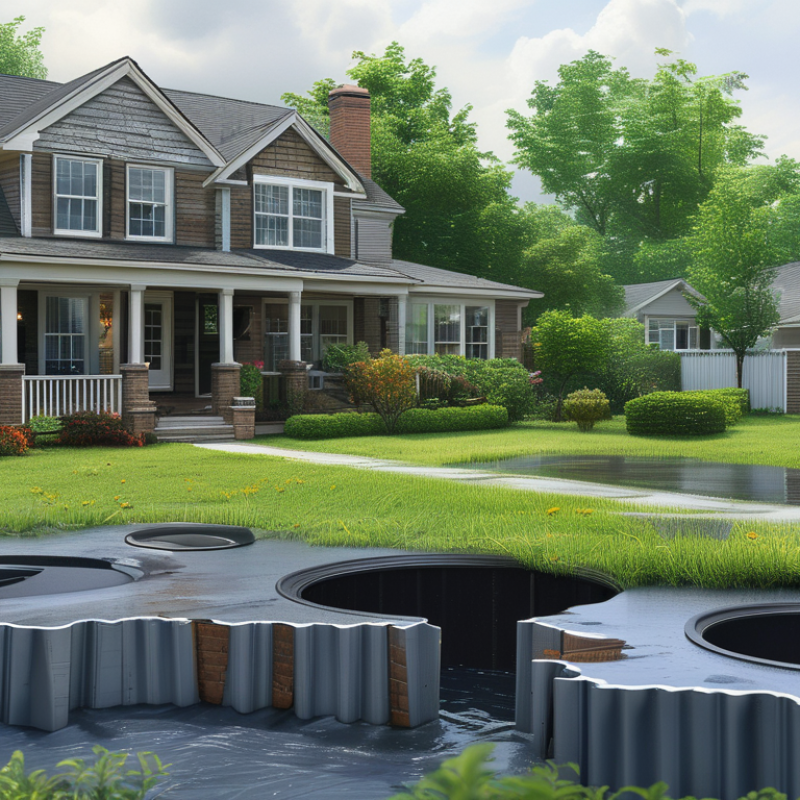
Understanding Sump Pits: Definition and Functionality Explained
Sump pits are essential components in many residential and commercial buildings. They serve as collection points for groundwater and excess water, preventing flooding. Understanding their functionality can help homeowners make informed decisions.
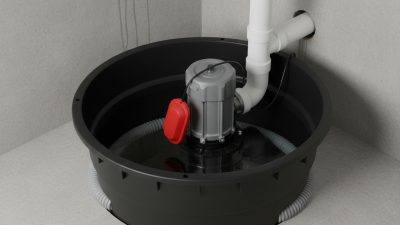
A sump pit typically consists of a pit and a sump pump. The pit collects water from the foundation or surrounding area. When water levels rise, the pump will automatically activate. According to the American Society of Civil Engineers, approximately 68% of U.S. homes are at risk of flooding, making sump pits crucial for flood prevention.
Potential pitfalls in sump pit use include improper installation and maintenance. Many homeowners overlook regular maintenance. This oversight can lead to pump failure, resulting in water damage. Research indicates that 30% of sump pumps fail due to lack of maintenance. Regular checks and timely repairs are vital for ensuring effective operation.
Key Features to Consider When Buying a Sump Pit
When buying a sump pit, consider several key features that impact performance. A quality sump pit should have a robust construction to resist corrosion and withstand pressure. Most experts recommend materials like high-density polyethylene or fiberglass for durability. In fact, industry reports indicate that proper material choice can extend a sump pit's lifespan by 15-20 years.
Pump capacity is another crucial factor. Assess the horsepower needed based on your home’s water table and drainage requirements. Data suggests that a sump pump with 1/3 to 1/2 horsepower is suitable for most typical residential applications. Pit design also plays a role; larger pits can accommodate more water, thus reducing the frequency of pump cycles.
Installation methods should not be overlooked. Seeking professional help might increase upfront costs, yet improper installation can lead to significant issues. Professionals often find that 20% of DIY setups fail within the first year due to poor placement or alignment. Carefully evaluating these essential features will guide you toward a reliable sump pit tailored to your specific needs.
Top Brands and Models of Sump Pits for Global Buyers
When selecting the best sump pit for your needs, consider various renowned brands known for their reliability. These brands often provide a range of models that cater to different requirements. Each model is designed with specific features that enhance its functionality and durability. Users appreciate systems that offer efficient water management and are easy to install.
Tips: Think about what kind of environment your sump pit will be used in. Some models are better for humid climates, while others excel in drier conditions. Reviews from users can reveal common issues and strengths, providing valuable insights. It may be beneficial to opt for energy-efficient models. They not only save on energy bills but also minimize environmental impact.
Pay attention to the materials used in construction. Higher-quality models typically feature corrosion-resistant materials, extending their lifespan. Ensure that the sump pit has a reliable pump system. Reviews often highlight this as a crucial factor in user satisfaction. Don’t overlook the importance of proper installation and maintenance. Often, these aspects determine the efficiency of the sump system.
Installation Tips and Maintenance Practices for Sump Pits
Sump pits are essential for managing excess groundwater and preventing flooding. Proper installation is critical for their efficiency. According to the American Society of Home Inspectors, improper installation can lead to a 30% increase in flooding risk. This highlights the importance of following best practices during setup. Ensure the sump pit is located in the lowest point of your basement. The pit should be at least 24 inches deep for optimal performance.
Maintenance is equally important. Routine checks can prolong the lifespan of your sump pump. Experts recommend testing the pump every month. Remove debris around the pit to avoid clogs. Moreover, consider replacing the sump pump every five years to ensure reliability. Data from the National Association of Home Builders indicates that homeowners spend an average of $150 to $300 each year on sump pit maintenance. Regular upkeep not only enhances efficiency but also prevents unforeseen repairs.
It is vital to recognize that not all sump pits are created equal. Some may require additional drainage systems based on local soil conditions. Homeowners should keep abreast of their home's water flow patterns. Ignoring these factors can result in significant issues down the line. Make adjustments as necessary to ensure optimal operation.
Common Issues and Troubleshooting for Sump Pit Systems
Sump pit systems play a vital role in managing groundwater and preventing flooding. However, they often face several common issues. According to industry reports, about 20% of sump pumps fail due to power outages or mechanical defects. This statistic highlights the importance of regular maintenance.
Homeowners should be vigilant about the signs of trouble. If your sump pit is making unusual noises or your pump runs continuously, it may indicate a malfunction. Clogs in the drainage system can lead to water buildup, causing potential damage. Regularly inspect your pit for debris and ensure the discharge line is clear.
Tips: Check your sump pump every few months. Look for rust and test the float switch. An easy inspection can save you money in repairs down the line. Additionally, consider investing in a battery backup system to prevent failures during power outages.
Another issue is improper sizing. A sump pit that is too small can lead to frequent overflows. Data suggests that approximately 30% of installations face sizing issues. Choose a sump pit that fits your needs based on local rainfall data and soil saturation levels. Regular reviews of your system's performance can identify potential problems early.