2026 Top Suction Pump Types for Global Buyers?
Global buyers entering the 2026 suction pump market face a crowded and sometimes confusing choice. “Suction pump” can describe several designs, from centrifugal and self-priming pumps to diaphragm, rotary, and vacuum-assisted units. Each type responds differently to liquid viscosity, suction lift, solids, temperature, and duty cycle.
Dr. Lev Nelik, a recognized pump engineer and author, has stated, “A pump is only as good as the system in which it operates.” That principle remains practical for international purchasing teams. A stainless steel centrifugal pump may move clean water efficiently, yet struggle with air entrainment or abrasive particles. A diaphragm pump may handle contaminated liquid better, but often delivers lower flow and creates pulsation. Small details matter. A 6-meter suction lift, a narrow inlet hose, or a dry-running event can change the result.
This guide compares the top suction pump types expected to attract global buyers in 2026. It considers flow rate, pressure, priming behavior, energy use, maintenance, materials, and total ownership cost. It also examines common applications, including agriculture, construction drainage, chemical transfer, wastewater handling, and industrial process systems. Specifications alone can mislead. A lower purchase price may hide frequent seal replacement or difficult spare-parts access. Some recommendations may remain imperfect because site conditions vary widely. Buyers should verify performance data, test compatibility, and consult qualified engineers before ordering. The best suction pump is not always the strongest model. It is the one that fits the real system.
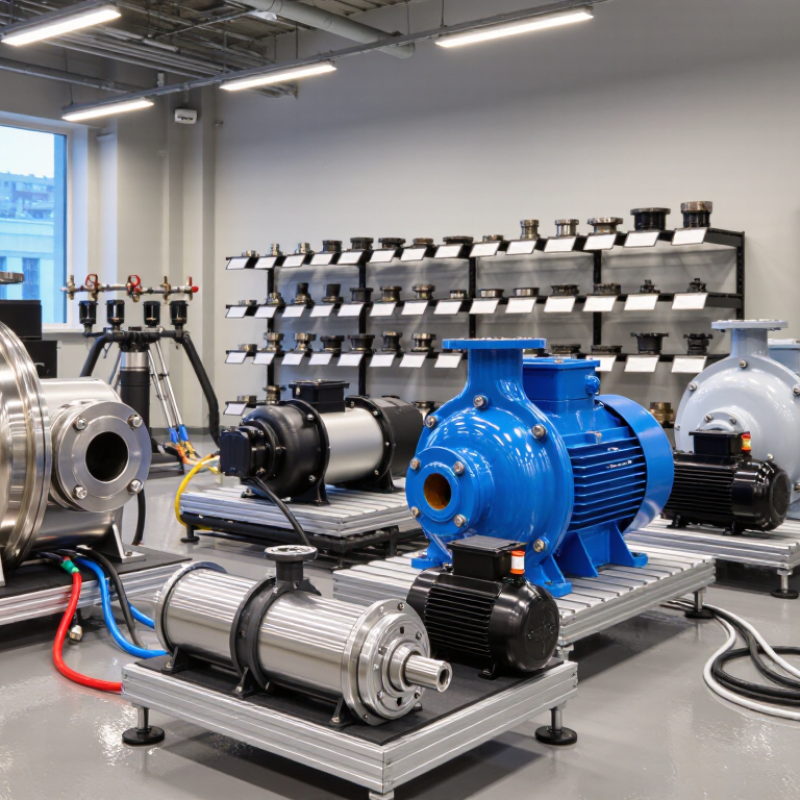
What a Suction Pump Is and How It Moves Fluids
A suction pump moves fluid by creating a lower pressure at its inlet.
Atmospheric pressure then pushes liquid into the pump chamber. It does not pull water like a rope. This detail matters when selecting equipment for wells, tanks, and drainage systems.
Inside the pump, movement depends on its design.
A centrifugal pump uses a rotating impeller to increase fluid velocity and pressure.
A diaphragm or piston pump uses repeated chamber changes to draw and discharge measured volumes.
Positive-displacement models often suit thicker liquids, while centrifugal designs usually handle clean, low-viscosity fluids efficiently.
The correct choice depends on flow rate, lift height, temperature, and fluid condition.
Practical checks should include priming, inlet pipe length, air leaks, and available NPSH.
A small crack on the suction side can admit air and stop stable pumping. Long, narrow pipes also create friction losses. Field maintenance teams often discover that the pump is not the real problem; the installation is. The label “self-priming” can mislead users when the casing is dry or the suction lift is excessive. That limitation deserves more attention.
Measuring actual pressure and flow is safer than relying on catalog expectations.
The Main Suction Pump Types Available in 2026
The Main Suction Pump Types Available in 2026
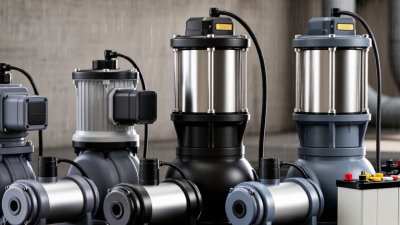
Suction pumps are not one uniform category. Their hydraulic design decides how they handle water, chemicals, solids, and changing demand. Centrifugal pumps remain common for clean water and high-flow duties. They use rotating impellers and usually offer lower maintenance costs. Positive displacement pumps move fixed volumes. Gear, diaphragm, and screw designs suit viscous fluids, dosing, and low-flow applications. Self-priming centrifugal pumps help where air enters the suction line. Submersible pumps avoid long suction lifts, but access and cable protection need careful planning.
Energy deserves closer attention. The U.S. Department of Energy’s Pumping System Sourcebook reports that pumping can consume 25% to 50% of an industrial facility’s electricity. The International Energy Agency also estimates that electric motor systems use about 53% of global electricity. These figures support lifecycle selection, not just the cheapest quotation. In practice, suction height, pipe friction, fluid temperature, and duty cycles can change the result. The boundary between pump types is not always clean. A technically suitable pump can still perform poorly with an undersized suction pipe.
Tips: Ask suppliers for a complete duty curve, net positive suction head data, efficiency at your operating point, and tested materials. Check performance with real fluid conditions. Factory numbers may not match the installation. Allowing for uncertainty is often wiser than choosing maximum capacity.
2026 Top Suction Pump Types for Global Buyers
Typical practical suction-lift values for common pump types operating with water-like liquids at sea level. Actual performance depends on fluid temperature, altitude, pipe losses, pump design, and NPSH conditions.
Key takeaway: Positive-displacement pumps, such as piston and diaphragm pumps, generally provide stronger suction capability. Centrifugal pumps are widely used for high-flow transfer but usually require shorter suction lines and careful priming.
How to Compare Pump Capacity, Lift, Materials, and Power
Choosing a suction pump starts with the job, not the product photo. Measure required capacity in liters per minute, then allow for peak demand. A pump rated at 100 L/min may deliver less through narrow hoses, elbows, or clogged strainers. Real flow matters.
Lift is equally important. Vertical suction distance reduces performance, especially when the liquid contains air or becomes warmer. Separate suction lift from discharge head in your calculations. Keep the intake hose short, wide, and tightly sealed. Small leaks can stop priming.
Materials should match the liquid and working environment. Stainless steel suits many clean-water applications, while reinforced polymers may resist selected chemicals and reduce weight. Check seals, hose connections, and corrosion exposure together. One strong casing cannot fix a weak seal. I have seen capacity estimates fail because buyers ignored liquid thickness. Viscous fluids need more power and often move slowly.
Power selection requires practical judgment. Compare motor input, operating voltage, duty cycle, and available electricity. A higher power rating does not always mean better performance. It may increase heat, noise, and running cost. Choose protection against overload and dry running where suitable. Ask for tested performance data, not only maximum figures. Manufacturers’ curves are useful, but field conditions can differ. Leave a modest safety margin, then verify it with an on-site flow test. Perfect calculations are rare.
Which Suction Pump Fits Different Industries and Applications
2026 Top Suction Pump Types for Global Buyers
Which Suction Pump Fits Different Industries and Applications
Choosing a suction pump starts with the fluid, not the catalog image. I have seen buyers select high flow rates, then struggle with thick liquids and frequent blockages. Centrifugal pumps suit clean water, irrigation, cooling systems, and light industrial transfer. They offer steady flow and simple maintenance. However, they can lose performance when air enters the suction line.
Self-priming centrifugal pumps work better for drainage, construction sites, and wastewater transfer. They can handle interrupted operation more reliably. Diaphragm pumps are useful for chemicals, sludge, and fluids containing suspended particles. Their controlled movement reduces leakage risks. For thick oils, coatings, or food ingredients, positive displacement pumps often provide better pressure control. Sanitary applications also require smooth internal surfaces and suitable materials.
Selection needs practical checks. Measure the actual suction lift, pipe length, elbow count, and fluid temperature. A pump rated for six meters may perform poorly with a narrow, dirty inlet. That detail is easy to miss. Confirm whether the liquid contains sand, fibers, or corrosive elements. Ask about duty cycles, cleaning methods, spare parts, and local service skills. Energy use matters too, especially in continuous production. No pump is perfect. A quieter model may sacrifice flow, while a cheaper unit may demand more maintenance. Test the operating conditions before final purchase.
Global Buying Factors: Standards, Maintenance, Cost, and Supply Chain
2026 Top Suction Pump Types for Global Buyers?
Global buyers should match pump design with fluid, lift, temperature, and local standards. End-suction centrifugal pumps suit clean water and stable flow. Self-priming pumps reduce startup work when air enters the line. Diaphragm pumps handle abrasive or chemically difficult fluids at lower flow rates. For flooded pits, submersible pumps can simplify installation. ISO 2858 supports dimensional consistency for many centrifugal pumps, while API 610 may apply to demanding process services. However, compliance claims need certificates, test records, and traceable materials.
Maintenance cost often exceeds the purchase price. U.S. Department of Energy pumping guidance reports that pumping systems may consume 25–50% of electricity in some industrial facilities. Correct sizing matters more than a larger motor. Buyers should request efficiency curves, spare-part lists, seal specifications, and vibration limits. Hydraulic Institute guidance also stresses system-level optimization, including valves, pipes, and controls. Field records commonly show that dry running, clogged strainers, and poor alignment cause avoidable failures. No shortlist is perfect. Local water quality can change the result.
Tips: Ask for a three-year total-cost estimate, not only the quotation. Keep critical seals and bearings near the operating site. Check whether the supplier can provide service within 48–72 hours. Confirm regional voltage, customs documents, warranty terms, and language support before ordering. A cheaper pump may create higher energy bills and longer downtime. That weakness is easy to miss.