How to Back Up Power for Sump Pump in Case of Outage?
When it comes to home maintenance, ensuring your sump pump operates during power outages is crucial. Many homeowners overlook the importance of back up power for sump pump systems. However, without a reliable backup, flooding can occur, leading to significant damage. In regions prone to storms, this risk increases dramatically.
Investing in a backup power source isn't just wise; it's essential for safeguarding your property. You could consider battery backups or generator systems that will keep your sump pump running. These solutions provide peace of mind during unpredictable weather. But, it’s vital to choose a system that fits your specific needs and home energy requirements.
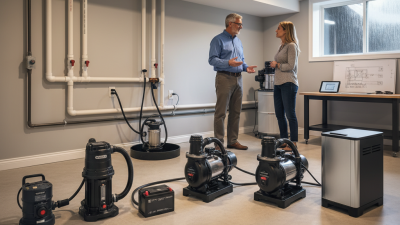
Planning for power outages can feel overwhelming. Many people struggle to choose the right equipment or installation process. Research and expert advice can guide you. Assess your power needs carefully and understand the limitations of your backup system. Making informed decisions today can protect your home tomorrow.
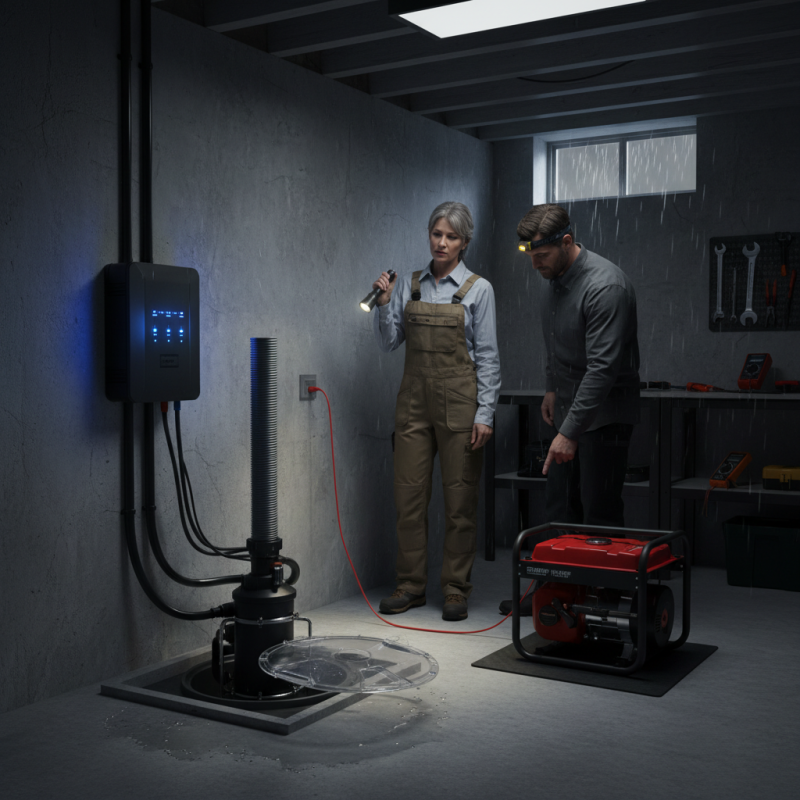
Understanding the Importance of Backup Power for Sump Pumps
When considering a sump pump, understanding the importance of backup power is crucial. A sump pump is essential for preventing water damage. During heavy rains or floods, power outages can happen. Without power, your sump pump cannot operate, leading to potential flooding in your basement. The best approach is to prepare for these outages.
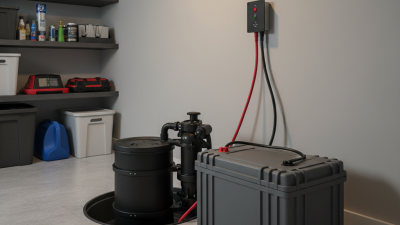
Investing in a reliable backup power system ensures your sump pump works when you need it most. This system can be a battery backup or a generator. Each option has its benefits, but both can protect your home. Rotating batteries regularly can prolong their lifespan. Ensure your generator has enough capacity to power your sump pump.
Tips: Regularly test your backup power system. Routine testing helps identify issues before they arise. Keep an emergency plan ready. It should outline steps to follow during an outage. Additionally, consider installing flood alarms. These alarms alert you to rising water levels, ensuring prompt action. Reliable backup power contributes significantly to home protection, especially in flood-prone areas.
Types of Backup Power Solutions for Sump Pumps
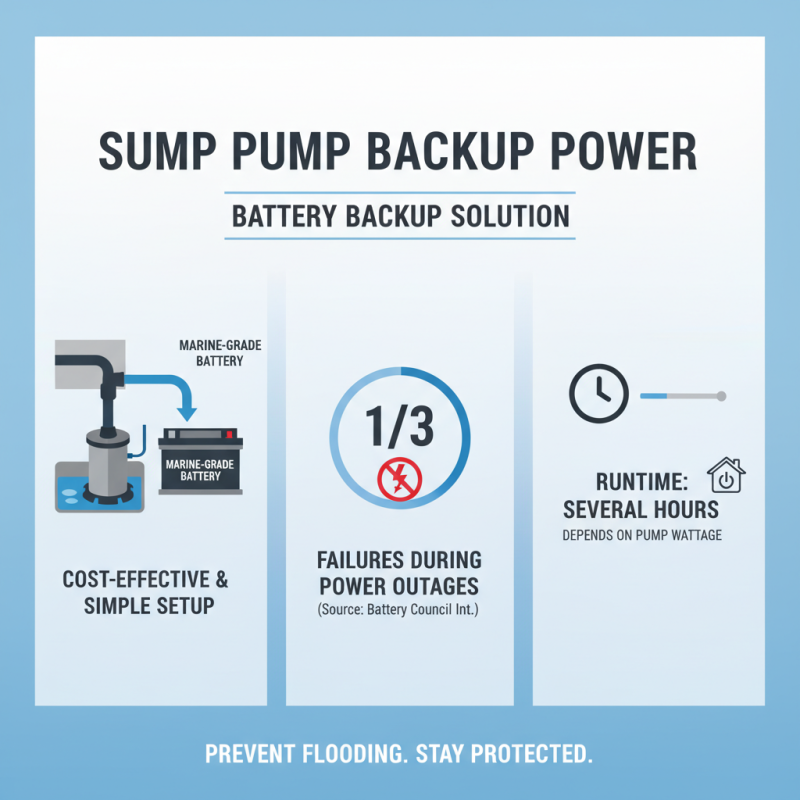
When considering backup power options for sump pumps, various solutions cater to different needs. A reliable and often used approach involves battery backups. According to the Battery Council International, about one-third of sump pump failures occur during power outages. A heavy-duty marine battery can commonly power a sump pump for several hours, depending on the pump's wattage. This option is cost-effective and allows for a straightforward setup.
Another alternative is a generator system. A portable generator can provide sufficient power during outages. The American Society of Civil Engineers suggests that homeowners in flood-prone areas should consider this option. While generators are powerful, they require fuel and maintenance. They don’t work without regular checks, highlighting a potential risk for neglect.
Solar-powered backup units represent an eco-friendly choice. They harness solar energy to keep the sump pump running. A 2020 report from the National Renewable Energy Laboratory indicates that solar systems can save homeowners on energy costs over time. Despite these benefits, solar options may require a higher upfront investment and may not perform well on cloudy days.
Step-by-Step Guide to Installing a Battery Backup System
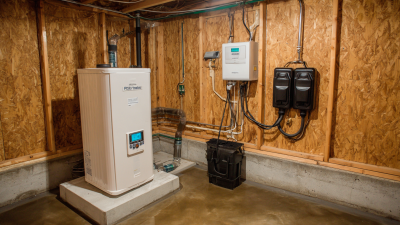
Installing a battery backup system for your sump pump is crucial during power outages. To begin, gather the necessary tools and materials. You will need a battery, a battery backup unit, required cables, and a basic set of hand tools. Ensure the space around the sump pump is clear and safe. Prior preparation is key to a smooth installation process.
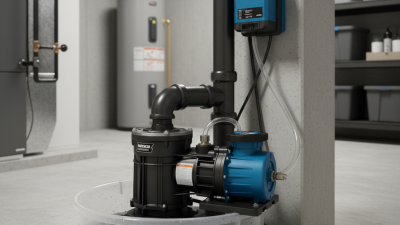
Start by disconnecting the sump pump from the power source. This step is important for safety. Next, connect the battery backup unit to your sump pump using the provided cables. Make sure to follow the manufacturer's instructions for proper connections. Many units have clear diagrams, but sometimes they can be confusing. Double-check your connections. You don’t want to make a mistake here.
Once connected, place the battery in a dry, ventilated location near the sump pump. Test the system functionality before a storm hits. Power failure scenarios can reveal unexpected issues, like low battery life or faulty connections. Regularly check the battery status as part of your home maintenance. Keeping it in good condition will ensure reliable operation during emergencies.
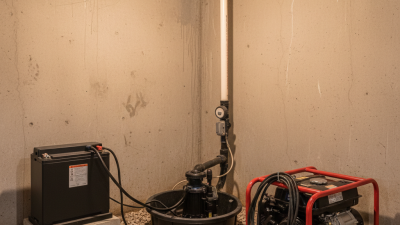
Power Backup for Sump Pump: Installation and Efficiency
Regular Maintenance Tips for Your Backup Power System
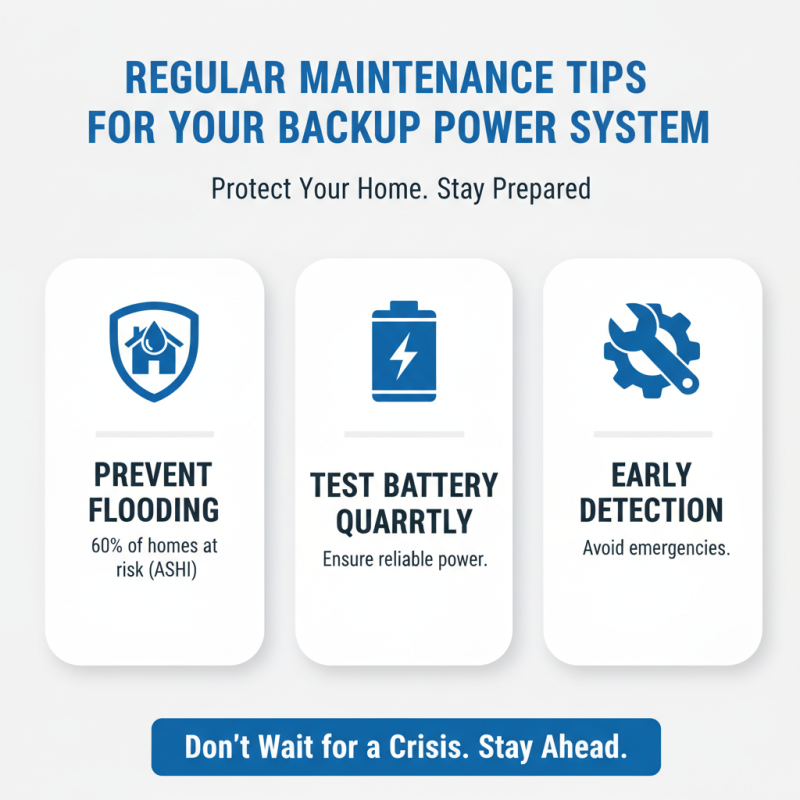
Regular maintenance of your backup power system is crucial. Research from the American Society of Home Inspectors shows that nearly 60% of homes experience basement flooding. A reliable backup system can prevent significant damage. To achieve this, ensure your battery is tested quarterly. Regular checks can help identify issues early, avoiding last-minute crises.
Consider the condition of your transfer switch. It should be free from rust and corrosion. Inspecting connections biannually increases reliability. The National Fire Protection Association suggests that improper connections can lead to system failure. Moreover, keep the power system clean from dust and debris. Dust buildup can cause overheating, reducing efficiency.
Another important aspect is to understand the battery lifespan. Most batteries last 3-5 years and need timely replacement. Monitor the performance regularly. Have a backup power plan in place even during routine checks. Inadequate preparedness can lead to unexpected outages. Even with a solid plan, always keep critical supplies nearby, such as flashlights and water. Regular maintenance is not just a chore; it’s a lifesaver.
Troubleshooting Common Issues with Sump Pump Backup Power
When dealing with sump pump backup power, users often encounter common issues. One frequent problem is the failure of the backup battery. Regularly check the battery status. A battery might lose efficiency over time, especially if it is an older model. Ensure that connections are secure. Loose connections can cause a backup system to malfunction when needed most.
Sometimes, the pump may run continuously even when water levels are low. This issue often stems from a faulty float switch. Inspect the switch for debris that could prevent it from functioning correctly. Clean or replace it if necessary.
Tips: Regular maintenance is crucial. Inspect the sump pump quarterly and replace any worn-out parts. Test the backup system monthly. This will help you avoid unpleasant surprises during heavy rain or flooding. Always keep a manual handy, as it can provide quick troubleshooting steps.