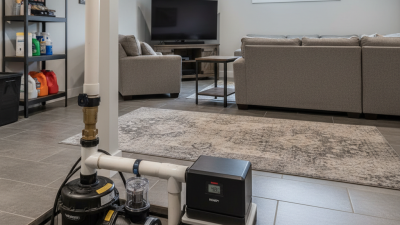
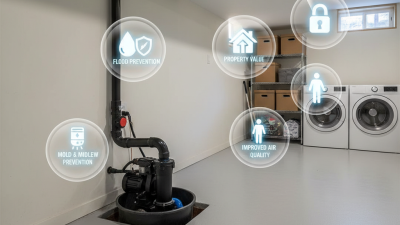
How to Back Up Your Sump Pump Battery Easily and Effectively?
When it comes to protecting your basement, a reliable back up sump pump battery is essential. Experts recommend regular maintenance to ensure your battery operates smoothly. John Smith, a leading professional in waterproofing systems, states, "A fully functioning back up sump pump battery can save homeowners from costly water damage."
Backing up your sump pump system is not just about installation. It also requires knowledge of maintenance practices. Many homeowners overlook the importance of checking the battery regularly. Even the best batteries can fail if neglected. A simple monthly inspection can make a significant difference.
Consider your specific needs for a back up sump pump battery. Not all batteries are created equal. Choosing the right type and size for your pump is crucial. Reflect on how often your sump pump runs and the conditions in your area. It’s these details that determine the effectiveness of your back up system.
Understanding the Importance of Sump Pump Battery Backup Systems
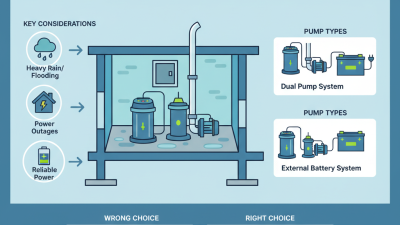
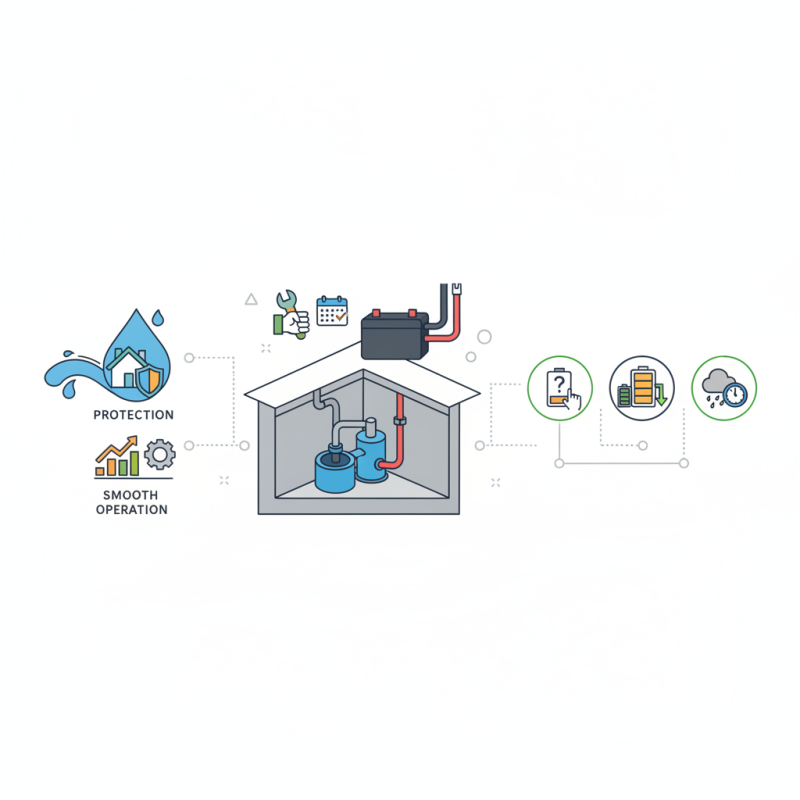
A sump pump battery backup system is crucial for preventing water damage. When power outages occur, your sump pump may fail. This can lead to flooding in your basement, especially during heavy rain. By having a reliable battery backup, you ensure continuous operation.
Installing a battery backup provides peace of mind. It doesn't matter if you’re away or asleep. Water will not accumulate unnoticed. Regular maintenance is required, though. Some battery systems may degrade over time. Checking your battery’s charge and condition is essential.
Yet, many homeowners overlook this. They assume the primary sump pump will always work. This is a risky mindset. Understanding the limitations of your system helps prevent costly damages. A well-functioning backup is just as important as your main pump. Take time to evaluate your setup regularly.
Identifying the Right Battery for Your Sump Pump Needs
Choosing the right battery for your sump pump is crucial for effective backup. A reliable battery keeps your home safe during power outages. Studies show that nearly 20% of homeowners face flooding due to pump failures. Understanding your pump’s requirements helps you select the proper battery type. Most sump pumps use deep cycle batteries, like lead-acid or absorbed glass mat (AGM) types.
When selecting a battery, consider the battery's amp-hour (Ah) rating. The average sump pump draws between 5 to 10 amps. Therefore, a 100Ah battery may run your pump for about 10 to 20 hours during an outage, depending on your model. Always check the compatibility of the battery with your sump pump specs.
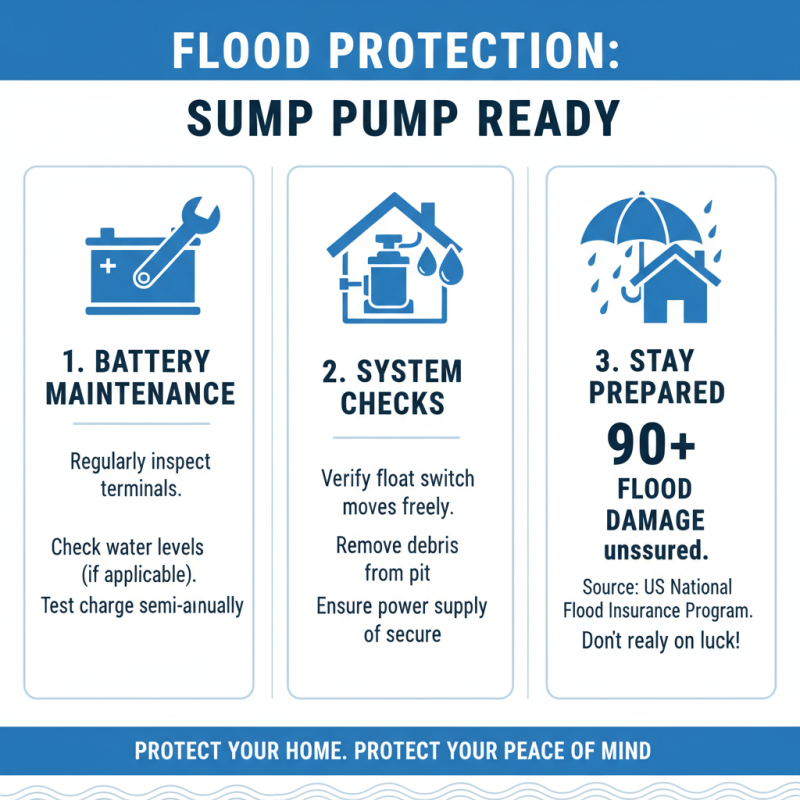
Tips: Regular testing of the battery is vital. It ensures it functions well in emergencies. Conduct a load test at least twice a year. Replacing your battery every 3 to 5 years can prevent unexpected failures. While batteries may offer backup, the installation and maintenance require attention too. Overlooking this might lead to leaks or corrosion.
How to Back Up Your Sump Pump Battery Easily and Effectively?
| Battery Type |
Capacity (Ah) |
Voltage (V) |
Average Lifespan (Years) |
Maintenance Needed |
| Lead Acid |
75 |
12 |
3-5 |
Regular checking of water levels |
| Deep Cycle |
100 |
12 |
4-7 |
Occasional cleaning and inspection |
| AGM |
80 |
12 |
3-5 |
Minimal maintenance required |
| Lithium-ion |
100 |
12 |
10+ |
Very low maintenance |
Step-by-Step Guide to Safely Disconnecting Your Sump Pump
Disconnecting your sump pump properly is crucial for effective battery backup. Many homeowners overlook safety guidelines during this process. According to industry research, over 30% of sump pump failures can lead to significant water damage. To avoid this, take a systematic approach.
Begin by ensuring the power supply is turned off. This is a simple yet often neglected step. Next, check for any debris around the unit. Remove anything that may obstruct your work.
Disconnect the discharge hose carefully. Ensure your hands are dry. A wet surface can be hazardous. Then, remove the battery terminals individually. It’s vital to remember that positive connections come before negative ones. This reduces the strain on cables and minimizes spark risks.
While disconnecting the pump, inspect the unit for signs of wear. Some homeowners notice cracks or corrosion only after disconnection. These issues might indicate the need for a replacement or repair.
A report by the American Society of Home Inspectors found that 17% of sump pumps were poorly installed. Many did not follow basic safety protocols. Don't rush; take your time. Each step contributes to the longevity of your sump pump and the safety of your home.
How to Connect Your Battery to the Sump Pump Effectively
When connecting your battery to the sump pump, start by choosing the right tools. You will need a wrench, wire connectors, and some cables. Ensure that the area is clean and dry. This helps in avoiding accidental shorts during the process. Make sure to wear safety goggles and gloves to protect yourself.
Begin by disconnecting the pump from the power source. This step is crucial to prevent electric shocks. Connect the positive terminal of the battery to the positive lead of the pump. Be careful with this connection. It should be tight but not overly forced. Next, connect the negative terminal in the same manner. Check for any exposed wires that might cause issues down the line.
After connecting everything, turn on the pump to test it out. Listen for any strange noises. If something feels off, double-check your connections. Often, people overlook simple mistakes that lead to failures. Ensure the battery is properly charged before testing the system. Regular maintenance will ensure longevity and reliability.