Top 10 Battery Powered Sump Pumps for Efficient Flood Control?
When it comes to flood control, having a reliable battery powered sump pump is essential. Recent studies show that water damage can cost homeowners an average of $2,000 to $5,000 in repairs. Investing in a quality sump pump can save considerable expenses and minimize the risks associated with flooding. Battery powered sump pumps are particularly valuable as they offer mobility and efficiency. With their ability to operate during power outages, they provide peace of mind during severe weather events.
The market for battery powered sump pumps has seen significant growth. Reports indicate a 10% increase in sales over the past year. These pumps are favored for their versatility and ease of use. Many models are lightweight, making them easy to transport. Consumers appreciate their quiet operation, as noise is often an overlooked factor in choosing emergency equipment. However, not all battery powered sump pumps are created equal. Users need to investigate the features and durability to ensure they make a sound investment.
When deciding on the best option, consider capacity, battery life, and operational efficiency. Some pumps may fall short of their performance claims. It’s vital to select a product backed by positive reviews and industry standards. Reliable options typically come from established manufacturers. Researching the pros and cons of various models could help you avoid costly mistakes.
Overview of Battery Powered Sump Pumps and Their Importance
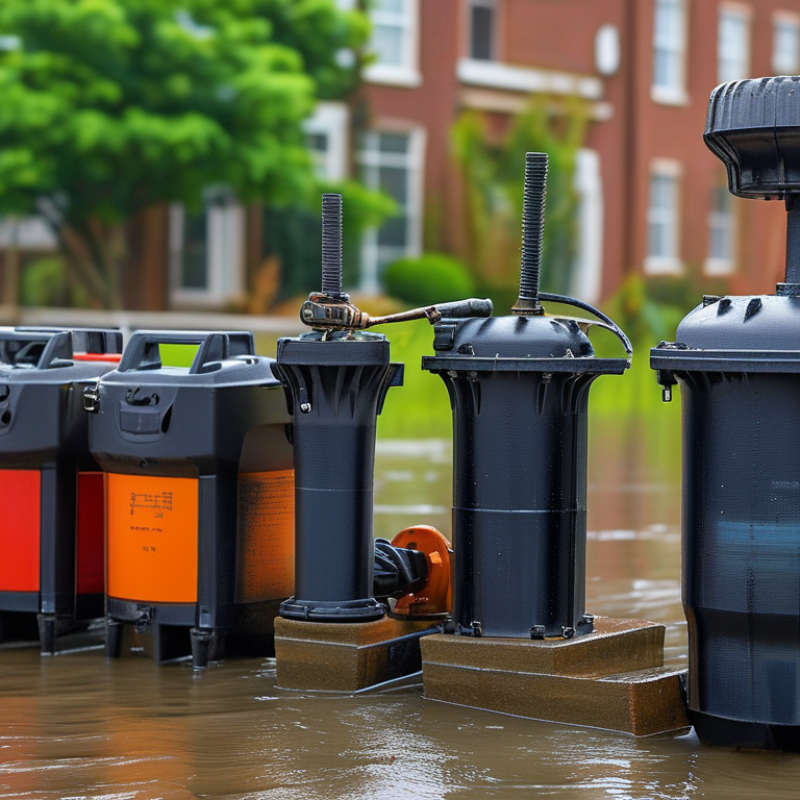
Battery powered sump pumps are essential tools for effective flood control. They work independently from the main power supply, ensuring operation during power outages. Flood situations can escalate quickly, and having a reliable pump can make a significant difference. These pumps are particularly valuable in areas prone to heavy rain or flooding. They provide an added layer of security for homes and basements, protecting valuable belongings from water damage.
When dealing with flood situations, speed matters. A battery powered sump pump can remove water more efficiently than manual methods. They are often lightweight and portable, making them easy to transport and set up when needed. However, they don’t come without limitations. Battery life can vary, and some may struggle in continuous heavy use. Homeowners should regularly check battery status to ensure readiness. Investing in a reliable pump is crucial, but maintenance and foresight are equally important.
It’s important to consider the specific needs before purchasing. Some models may not perform optimally in extreme conditions. Understanding the limitations of different models can help in making an informed choice. A well-researched decision minimizes risks and enhances flood preparedness. Each household faces unique challenges, and a tailored approach will yield better results.
Key Features to Consider When Choosing a Battery Powered Sump Pump
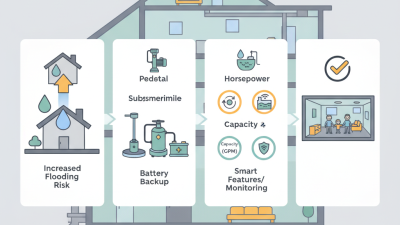
When selecting a battery-powered sump pump, understanding key features is essential. One critical aspect to consider is the pump's capacity. Many models offer varying flow rates, typically measured in gallons per minute (GPM). According to industry reports, pumps with a flow rate between 2,000 to 3,500 GPH are considered efficient for most residential needs. A higher GPM ensures quicker water removal, which is vital during severe flooding events.
Another important factor is the battery type. Lithium-ion batteries are often preferred due to their longer life and lighter weight. A study conducted by the Battery Industry Association shows that lithium-ion batteries can last up to three times longer than lead-acid batteries. This longevity can lead to fewer replacements and overall cost savings. However, prices can vary significantly. It's crucial to weigh initial costs against long-term performance.
Additionally, look for features like built-in alarms and automatic switch systems. Alarms alert you to rising water levels, providing peace of mind. Automatic switches activate the pump when water rises above a certain point, which can be a lifesaver during storms. Some models include smart technology for remote monitoring. Yet, consumers should reflect on their specific needs. Not all features may be necessary, which can complicate your choice and add to costs.
Top 10 Battery Powered Sump Pumps for Efficient Flood Control
Choosing the right battery-powered sump pump can greatly enhance your flood control efforts. In regions prone to heavy rainfall or flooding, these pumps provide a reliable solution. According to a recent industry report, over 40% of homes in flood-prone areas require backup pumping solutions. Battery-powered pumps are not only portable but also effective in emergencies when power sources are unavailable.
Efficiency matters. Most battery-powered sump pumps can move 1,500 to 3,000 gallons of water per hour. This capability is essential for quickly removing excess water from basements or crawl spaces. However, it is crucial to consider battery life. Some models may last only a few hours under heavy use, which can require careful planning. A less efficient pump may increase repair costs due to water damage.
Installation should also be a priority. A well-installed sump pump can mean the difference between a minor inconvenience and a major disaster. Ensure your chosen pump fits your home’s specifications. Maintaining optimal conditions is essential for the longevity and performance of the pump. Regular checks and timely maintenance could save homeowners significant costs. Remember, any equipment is only as reliable as its upkeep.
Top 10 Battery Powered Sump Pumps for Efficient Flood Control
Comparative Analysis of the Leading Models in the Market
When considering battery-powered sump pumps, efficiency is key. In 2021, a report from the National Flood Insurance Program revealed that approximately 90% of flood damage occurs in areas outside designated flood zones. This highlights the urgent need for reliable flood control solutions. Battery-powered sump pumps offer portability, easy installation, and the capability to operate during power outages.
Many models on the market provide features like automatic operation, which enhances user convenience. A comparative analysis of these pumps indicates varied pumping capacities ranging from 1,500 to 3,300 gallons per hour. However, while some models perform well in moderate weather, they may struggle in heavy rainfall situations. This inconsistency can be a critical drawback for homeowners in flood-prone areas.
Maintenance is another aspect that cannot be overlooked. Regular checks are necessary to ensure these pumps remain functional. Research indicates some users neglect this, leading to failures when they are needed most. As a result, a focus on maintenance practices is vital for maximizing the effectiveness of battery-powered sump pumps. Investing in a model that suits specific needs can help mitigate risks associated with flooding.
Top 10 Battery Powered Sump Pumps for Efficient Flood Control
| Model |
Max Capacity (GPH) |
Battery Life (Hours) |
Weight (lbs) |
Price ($) |
| Model A |
3000 |
10 |
15 |
199 |
| Model B |
2500 |
8 |
12 |
159 |
| Model C |
4000 |
12 |
18 |
249 |
| Model D |
2800 |
9 |
14 |
179 |
| Model E |
3200 |
11 |
16 |
215 |
| Model F |
3500 |
10 |
17 |
229 |
| Model G |
2700 |
8 |
13 |
149 |
| Model H |
3100 |
11 |
19 |
199 |
| Model I |
3300 |
9 |
15 |
219 |
| Model J |
2400 |
7 |
11 |
139 |
Maintenance Tips for Prolonging the Life of Your Sump Pump
Proper maintenance of your battery-powered sump pump can significantly extend its life. Regular checks are crucial. According to the American Society of Home Inspectors, about 10% of homes have some form of basement flooding each year. Keeping your pump in optimal condition can prevent costly damages.
Start with routine inspections. Make sure to assess your pump for any signs of wear or damage. Clean the sump pit frequently. Remove any debris or buildup that may obstruct the float mechanism. A clear pit allows the pump to function efficiently. Research indicates that a well-maintained sump pump can last up to 10 years, but neglect can shorten that lifespan significantly.
Testing your pump is essential. Run it once every few months to ensure it activates properly. Check the battery every year. An unreliable battery can compromise the effectiveness of the pump during critical moments. Consider replacing old batteries before the rainy season to avoid unexpected failures. Failure to do so often leads to emergencies that could have been prevented. It's worth reflecting on these maintenance practices to ensure your pump remains ready when needed most.