Top 5 Best Back Up Sump Pumps for Reliable Home Protection
In the world of home protection, a reliable back up sump pump plays a critical role. Experts like John McCarthy, a leading authority in water management systems, emphasize, "Investing in a quality back up sump pump is essential for every homeowner." This quote underlines the importance of securing your home from flooding and water damage.
Heavy rains and unexpected storms can lead to basement flooding. Without a proper back up sump pump, homeowners face serious risks. Many underestimate the potential damage water can cause. Mold growth, structural weakness, and significant repair costs can follow a flooding event.
Choosing the right back up sump pump may feel overwhelming. There are numerous options on the market, each promising effectiveness. Yet, not all products deliver the necessary reliability. An informed decision is crucial. It can mean the difference between a dry basement and a nightmare scenario. Investing time in research will pay off when unexpected weather strikes.
Understanding the Importance of Backup Sump Pumps for Home Protection
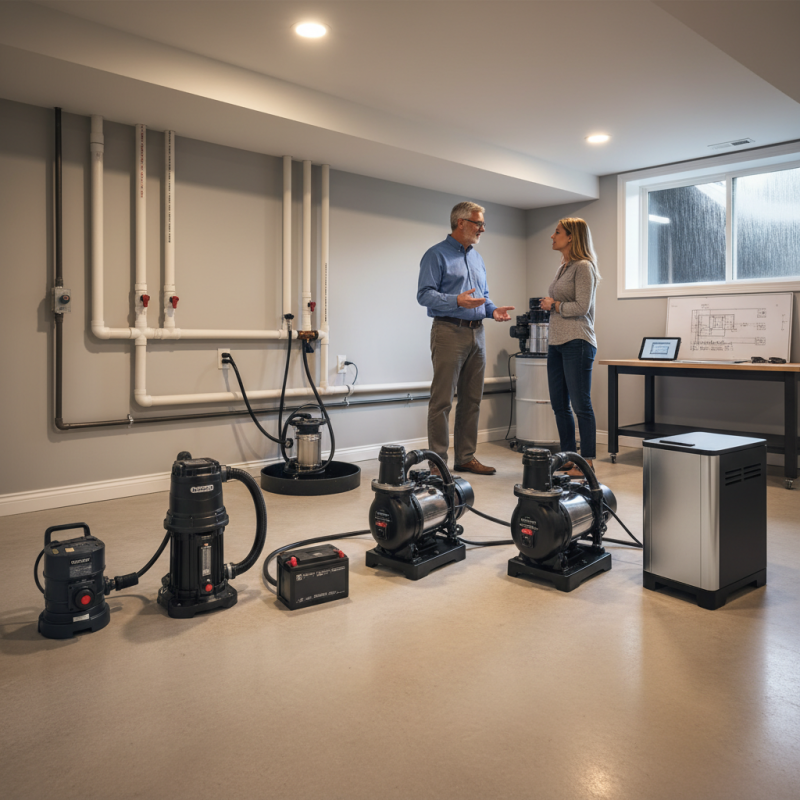
Flooding can cause significant damage to homes. According to the Federal Emergency Management Agency (FEMA), over 90% of natural disasters in the U.S. involve flooding. A backup sump pump is crucial for home protection. It serves as a reliable second line of defense against water damage.
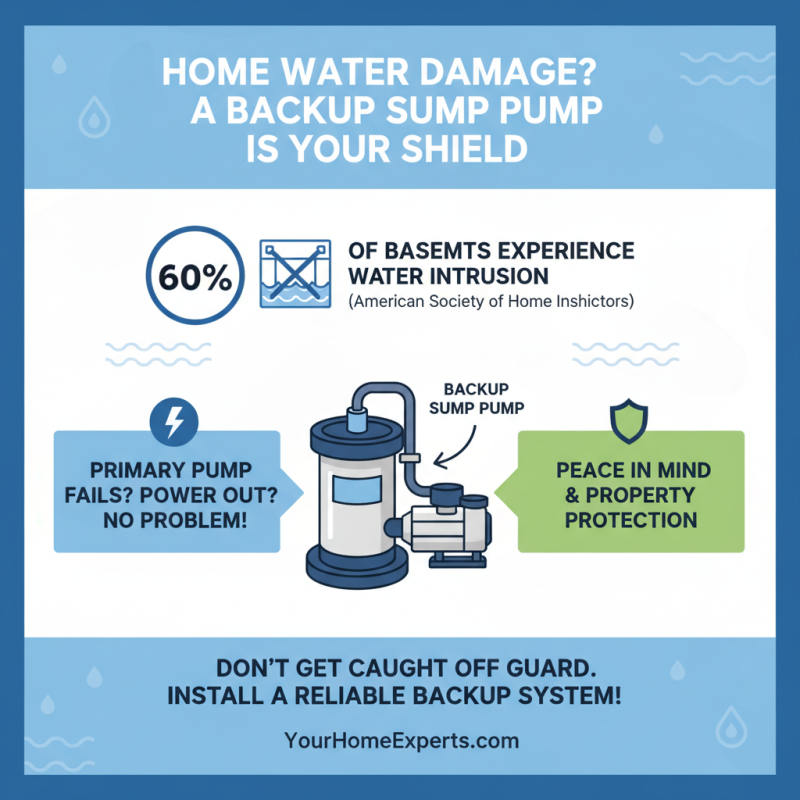
Many homeowners underestimate the need for backup systems. A survey by the American Society of Home Inspectors revealed that around 60% of American homes are prone to flooding. A backup sump pump can help mitigate this risk. During power failures or pump malfunctions, these systems automatically activate, ensuring continuous water removal. This feature can save homeowners from costly repairs and extensive restoration efforts.
However, not all backup sump pumps are created equal. Homeowners must assess the power source and pumping capacity carefully. Many systems rely on batteries, which can fail if not maintained. Understanding the importance of these systems means recognizing the need for regular checks and replacements. Investing time in research and awareness can lead to better protection for your home.
Top 5 Best Backup Sump Pumps for Reliable Home Protection
This chart displays the performance ratings of the top 5 backup sump pumps, illustrating their reliability in protecting homes during emergencies.
Key Features to Look for in a Reliable Backup Sump Pump
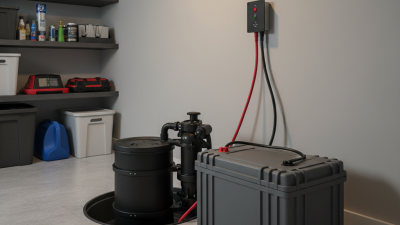
When choosing a backup sump pump, consider its power source. A reliable model should operate on battery and electricity. This dual power supply ensures it functions during power outages. Many pumps also feature alarms, alerting you if there’s an issue. An early warning can save you from significant water damage.
Look for a pump with a durable construction. Materials like corrosion-resistant plastic and heavy-duty casing are essential. The pump should withstand water and debris without failing. Pay attention to the flow rate, measured in gallons per hour. Higher rates mean faster drainage during heavy rain.
Noise level is another factor. Some pumps can be quite loud, disturbing your home's peace. A quieter model can be beneficial. Also, consider installation flexibility. A good backup pump should fit various sump pit sizes. If you’re not handy, ease of installation is crucial.
Top 5 Best Back Up Sump Pumps for Reliable Home Protection
| Model |
Power Source |
Horsepower |
Max Flow Rate (GPH) |
Weight (lbs) |
Key Features |
| Model A |
Battery Backup |
0.5 HP |
3000 |
40 |
Automatic operation, compact design |
| Model B |
AC Powered |
1 HP |
4000 |
45 |
High efficiency, durable construction |
| Model C |
Battery Backup |
0.75 HP |
3500 |
42 |
User-friendly control panel, reliable |
| Model D |
AC Powered |
0.3 HP |
2800 |
38 |
Compact size, good for smaller basements |
| Model E |
Battery Backup |
0.6 HP |
3200 |
50 |
Smart technology, easy installation |
Top 5 Backup Sump Pumps: Comparative Analysis of Performance and Cost
When it comes to protecting your home from water damage, backup sump pumps are crucial. A study by the American Society of Home Inspectors found that around 60% of basements experience some form of water intrusion. This highlights the importance of having a reliable system in place. An efficient backup pump can operate during power outages or when the primary pump fails.
Choosing the right backup sump pump involves comparing performance and cost. Many pumps offer varying horsepower levels, impacting their pumping capacity. A report from the National Association of Home Builders states that pumps with at least a 0.5 HP motor can handle 3,000 gallons per hour at a 10-foot lift. However, higher performance often comes with a price increase. It's essential to find the right balance between power and affordability.
Some homeowners may overlook the maintenance costs associated with backup pumps. Regular check-ups and battery replacements can add up over time. Many pumps have batteries that last around 3-5 years, requiring periodic investment. It's vital to factor in these costs when deciding which pump to purchase. A slightly lower-performing unit may offer better long-term savings if it requires less frequent maintenance.
Industry Insights: Recommended Brands and Models for Backup Sump Pumps
When it comes to home protection, having a reliable
backup sump pump is crucial. These systems offer
peace of mind, especially during heavy rains or power outages. Many homeowners find themselves
overwhelmed by the options available. Understanding which features matter can simplify the decision.
Several notable brands stand out in the backup sump pump industry.
Look for pumps with robust materials. A durable casing can enhance longevity. Battery-powered models are often recommended for homes
prone to flooding. A reliable battery backup can kick in when the main pump fails. Also, consider
flow rates. Higher rates mean faster drainage.
Some models even include alarms to alert homeowners of pump activation.
It's essential to reflect on personal needs. What works for one home may not suit another.
Size, capacity, and installation ease all play roles.
Do not overlook maintenance requirements. Some systems require
more attention than others. A little research goes a long way in protecting your home.
Maintenance Tips to Ensure Long-Lasting Performance of Backup Sump Pumps
Proper maintenance is essential for ensuring your backup sump pump runs smoothly. Regularly inspect the pump for any signs of wear or damage. Take time to clean the inlet screen and remove any debris. Check that the float switch moves freely without obstruction. A little effort here can prevent costly repairs later.
Testing your backup sump pump is crucial. Run the pump periodically to ensure it activates correctly. Listen for unusual noises during operation. If the pump vibrates or sounds different, it may need attention. Replace the battery every couple of years, even if it seems fine. Monitor the backup system, as neglect can lead to failures during emergencies.
Lastly, ensure the discharge line is clear. This helps in maintaining proper drainage. Ice and debris can block the flow, leading to troubles. Keeping an eye on these small details can save you from a flooded basement later on. It's all about being proactive and attentive to your system.