Best Backup Power Solutions for Sump Pumps Explained?
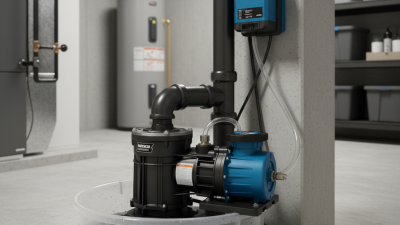
When considering how to protect your home from flooding, back up power for sump pump systems is crucial. According to the American Society of Civil Engineers, flooding causes over $5 billion in damages annually in the U.S. alone. A sump pump plays a vital role in managing excess water, particularly during heavy rains or snowmelt. However, these systems can fail if there is a power outage. This highlights the need for reliable backup power solutions.
Various options are available for ensuring sump pumps keep running during emergencies. Battery backup systems and generators are among the most common. For instance, a study by the U.S. Department of Energy indicates that over 30% of households experience power outages each year. This statistic emphasizes the need for homeowners to invest in backup power solutions for peace of mind.
While these systems provide essential benefits, they require proper maintenance to remain effective. For example, battery systems need regular checks to confirm they are charged and functioning. It is important to be aware of these details. Not all backup solutions are created equal, and choosing the right one for your specific needs can be challenging. Understanding the requirements is essential for optimal performance.
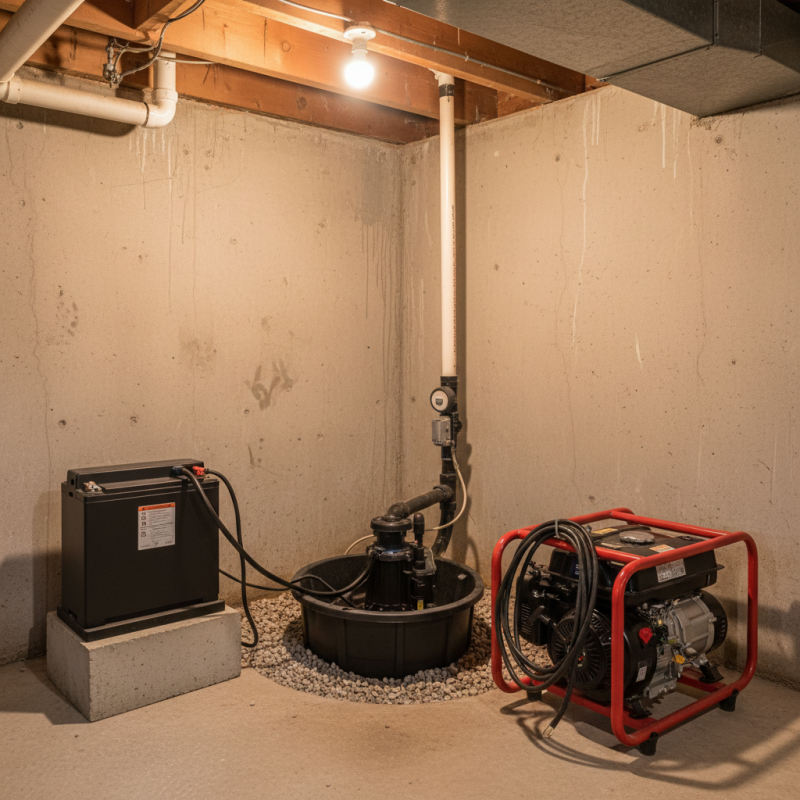
Types of Backup Power Solutions for Sump Pumps
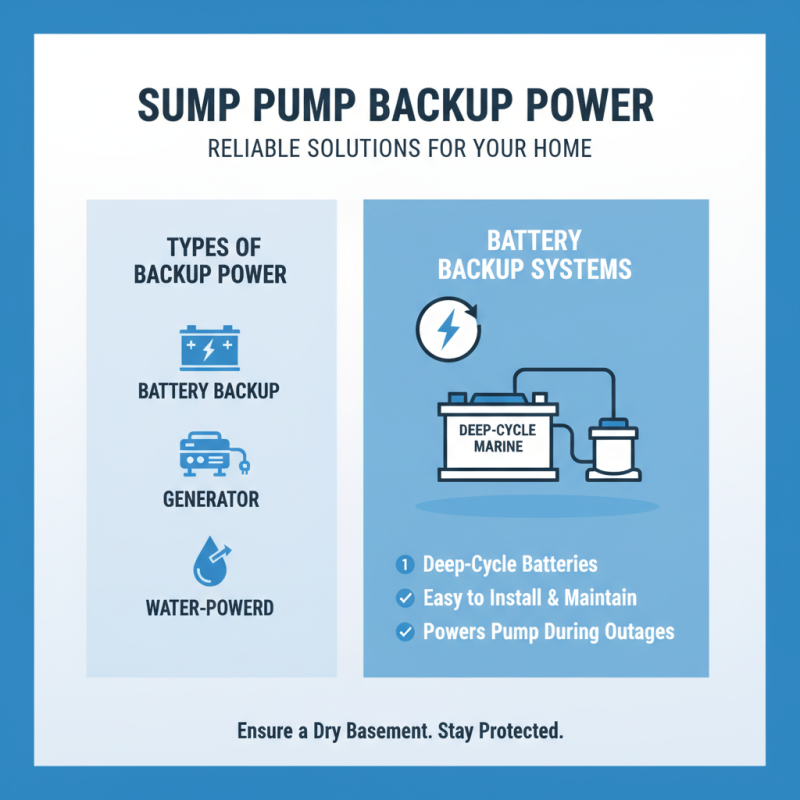
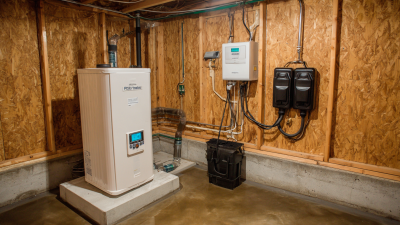
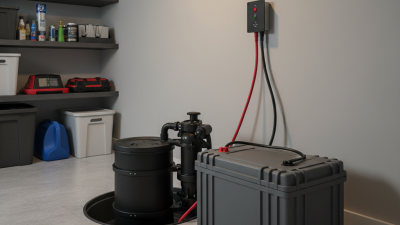
When it comes to sump pumps, having a reliable backup power solution is crucial. There are several types available, catering to different needs and preferences. One popular option is a battery backup system. These systems typically utilize deep-cycle batteries that can power your sump pump during outages. They are relatively easy to install and maintain, making them a practical choice for many homeowners.
Another effective solution is a generator. Generators can be fueled by gas or propane, providing ample power not just to the sump pump but also to other essential appliances. However, generators can be cumbersome. They require regular maintenance and proper storage. During storms, accessing a generator can be challenging. Homeowners need to be aware of these factors when considering this option.
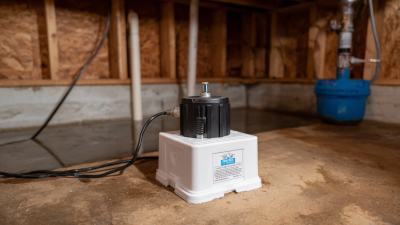
Additionally, water-powered backup systems are gaining popularity. They use the municipal water supply to create suction, powering the sump pump. These systems are eco-friendly and do not rely on batteries or fuel. However, they may not output enough power for all sump pump types. Evaluating your specific requirements will help pinpoint the best solution for your home. It's essential to research thoroughly before making a decision.
Pros and Cons of Battery Backup Systems for Sump Pumps
When considering battery backup systems for sump pumps, it's essential to explore their benefits and drawbacks. On the one hand, these systems provide reliable power during outages. According to industry studies, about 20% of homeowners experience basement flooding at some point, highlighting the need for dependable backup solutions. Battery backups typically offer a runtime of several hours, ensuring your pump can operate during critical times.
However, these systems come with limitations. For example, battery life can degrade over time, requiring regular maintenance and potential replacement. On average, batteries may last between three to five years, but extreme temperatures can reduce this lifespan. Homeowners must also consider the upfront costs associated with purchasing and installing these systems. A well-functioning backup might cost from $1,000 to $2,500, which can be a significant investment for some.
Furthermore, battery backup systems may not provide the same power as primary pumps. This can lead to concerns during heavy storms or prolonged outages. While these systems are designed to handle intermittent water flow, heavy rainfall could overwhelm their capacity. Understanding these pros and cons helps homeowners make informed decisions about protecting their basements.
Best Backup Power Solutions for Sump Pumps Explained
| Backup Solution |
Pros |
Cons |
Maintenance |
Cost Range |
| Battery Backup Systems |
Reliable during power outages, easy to install |
Battery replacement every few years, limited runtime |
Requires regular battery checks and maintenance |
$200 - $800 |
| Generator Systems |
Powerful, can support multiple appliances |
Noise pollution, requires fuel |
Periodic maintenance for engine and fuel systems |
$500 - $3,000 |
| Water-Powered Backup Pumps |
Uses city water pressure, no batteries needed |
Requires constant water supply, lower pumping capacity |
Minimal maintenance, check water supply periodically |
$300 - $1,000 |
| Inverter Systems |
Energy efficient, quiet operation |
Requires adequate battery storage, may not support high loads |
Check battery life regularly, minimal upkeep |
$150 - $600 |
How to Choose the Right Generator for Your Sump Pump
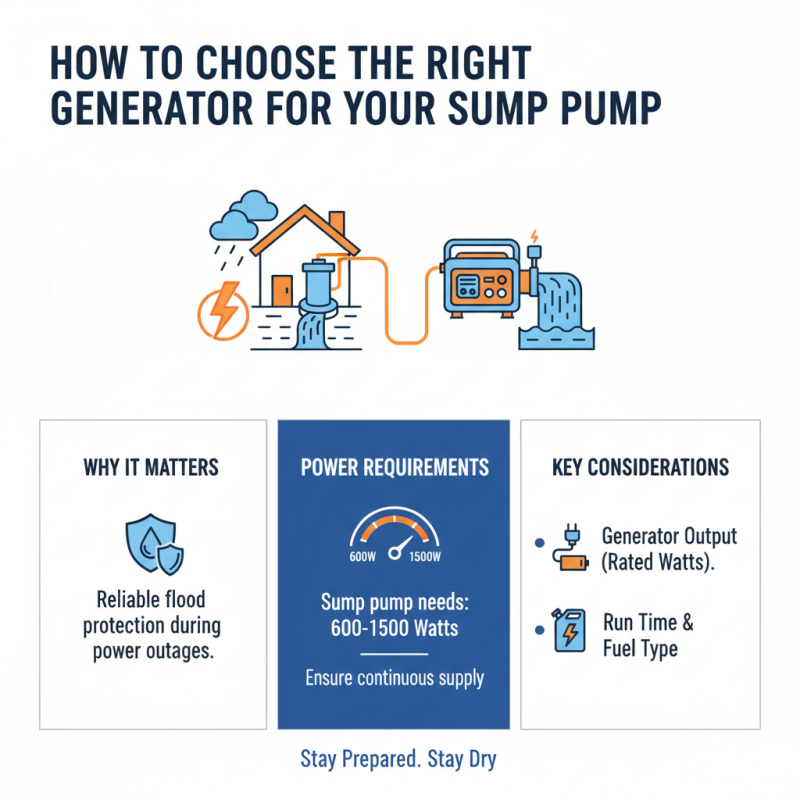
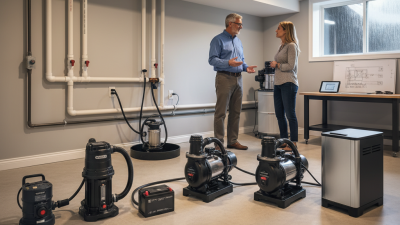
Choosing the right generator for your sump pump is essential. A reliable generator ensures your sump pump runs smoothly during power outages. Consider the pump's power requirements. Typically, a sump pump needs between 600 to 1,500 watts to operate efficiently. Ensure the generator can supply this power continuously.
Next, think about fuel type. Gasoline generators are common, but they require more maintenance. Diesel generators tend to last longer and run more efficiently under heavy loads. If noise is a concern, look for inverter generators. They operate quietly, making them suitable for residential areas.
Size is another aspect to consider. A compact generator is easier to store and transport. However, it may lack the power needed for larger pumps. Think about your space and future needs. It's crucial to balance power output with storage capabilities. Don't rush into a decision. Reflect on your specific situation and choose wisely.
Installation and Maintenance Tips for Backup Power Systems
When installing backup power systems for sump pumps, several key factors must be considered. First, ensure the location of the backup system is dry and easily accessible for maintenance. Choosing a reliable battery type is crucial, as it will determine how long the pump can operate during power outages. Opt for deep-cycle batteries, as they provide a consistent output over longer periods. Monitor the battery's charge regularly to avoid unexpected failures during emergencies.
Maintenance of these systems can often be overlooked. Regularly test the sump pump and backup power supply to confirm they function correctly. Clean all connections and check for corrosion, as moisture can lead to failures. It is advisable to keep replacement parts on hand, especially if the backup system uses an older model. Periodic inspections can highlight potential issues that may be easily fixed, ensuring long-term reliability.
While the importance of backup systems cannot be overstated, challenges may arise. Some individuals may install systems without fully understanding their power requirements. This could result in insufficient backup during critical times. As you implement your system, take the time to learn about each component. Monitoring your system meticulously can help catch any problems before they escalate.
Cost Considerations for Sump Pump Backup Solutions
When considering backup power solutions for sump pumps, cost is a critical factor. A recent industry report indicates that homeowners can expect to invest anywhere from $200 to $1,500 for adequate backup systems. The range largely depends on the type of solution chosen, including battery backup systems or generator options. While inexpensive models may offer basic functionality, they often lack the reliability needed during severe conditions.
In addition to initial purchase costs, ongoing maintenance should be factored into your budget. Experts recommend an annual inspection for batteries and pumps. This can prevent costly failures during emergencies. Battery replacement can be another hidden expense, with typical lifespans ranging from 3 to 5 years. Additionally, installation costs should not be overlooked, as they can add hundreds to the overall expense.
A deeper analysis reveals that many homeowners underestimate these costs. Relying solely on the initial price can lead to inadequate protection. Investing in quality components pays off in the long run. It ensures that the sump pump operates efficiently when needed most. Balancing upfront costs with potential emergency expenses is crucial for effective planning.
Best Backup Power Solutions for Sump Pumps