How to Choose a Sump Pump with Battery Backup for Your Home?
Choosing the right sump pump with battery backup can be challenging. Mike Thompson, a leading expert in home flood prevention, emphasizes, "A reliable sump pump is essential for any homeowner." This statement highlights the importance of having a dependable system in place.
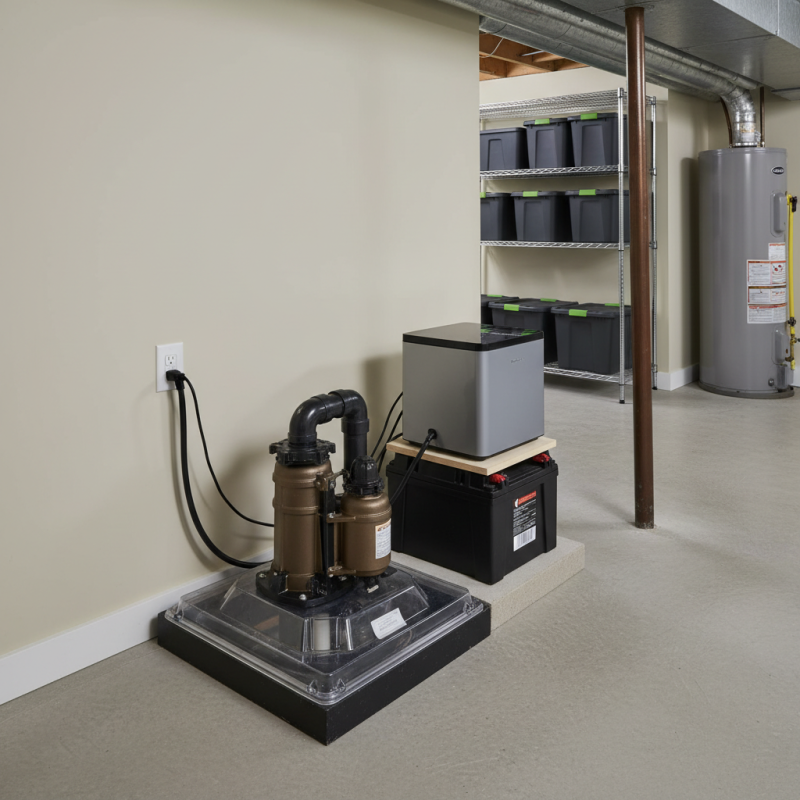
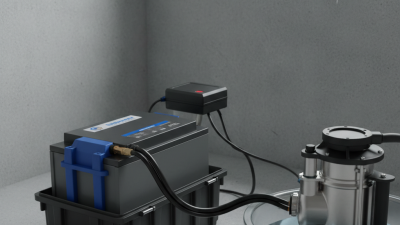
In areas prone to heavy rainfall, a sump pump with battery backup provides peace of mind. These pumps protect your basement from flooding, particularly during power outages. A high-quality battery backup ensures your pump functions even when the electricity is down. Selecting the right model is crucial, as not all pumps meet the same standards.
Homeowners should consider the pump's capacity, battery life, and overall performance. It's essential to do thorough research and consult professionals to understand your specific needs. Remember, investing in a sump pump with battery backup protects your home and enhances its value.
Understanding the Importance of a Sump Pump with Battery Backup
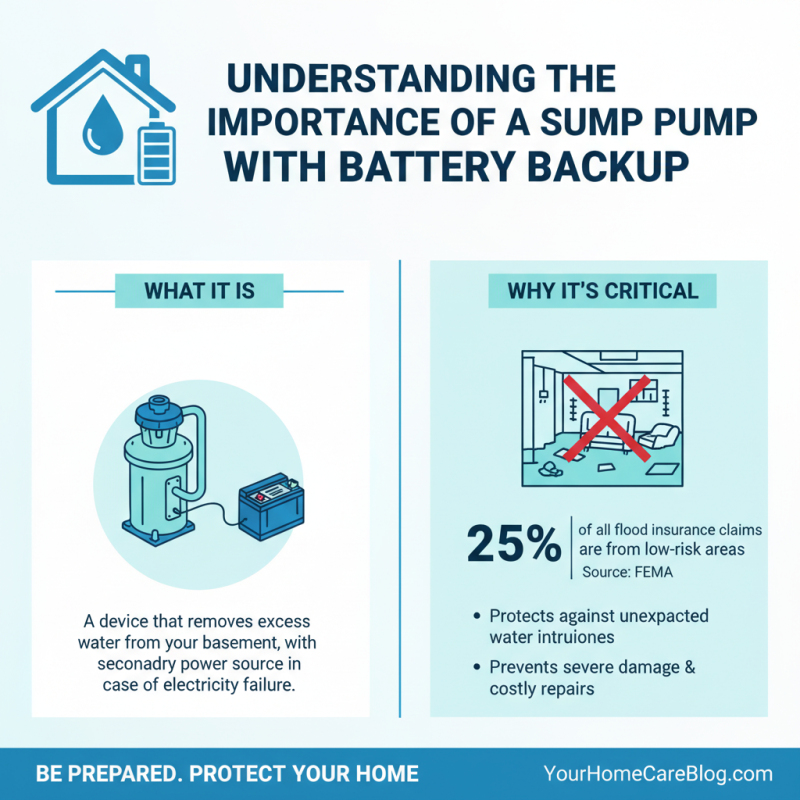
A sump pump with battery backup is critical for homeowners, especially in flood-prone areas. According to the Federal Emergency Management Agency (FEMA), nearly 25% of all flood insurance claims come from low-risk areas. This statistic highlights the necessity of being prepared for unexpected water intrusions, which can lead to severe damage and costly repairs.
A battery backup system provides peace of mind. Many sump pumps rely solely on electrical power, leaving homes vulnerable during outages. In a study by the American Society of Home Inspectors, 60% of basement flooding occurs during heavy rain or storms, coinciding often with power failures. A battery backup ensures the sump pump operates continuously to expel water, reducing the risk of saturated foundations.
While battery backups add a layer of security, they are not foolproof. Regular maintenance is essential to ensure effectiveness. Neglected battery systems might fail when needed the most. Homeowners should regularly test and replace batteries according to manufacturer guidelines. Such oversight reflects common pitfalls in home management that warrant attention. Understanding these nuances reinforces the importance of having a robust sump pump system to safeguard one’s property against water damage.
Evaluating Your Home's Water Management Needs
Evaluating your home's water management needs is essential. Start by assessing your property's risk of flooding. Look for signs of water accumulation in the basement or crawl spaces after heavy rain. Is your home centrally located in a flood-prone area? Understanding these factors will help guide your decision.
Consider the size of your sump pump. A too-small pump won't handle heavy water flow effectively. Test your existing pump’s capacity during spring thaw or heavy rains. You might need a backup system for peace of mind. Insufficient drainage around your home's foundation can worsen flooding. Raising your outdoor grade or adding drainage solutions can be beneficial.
**Tips:**
Install a water alarm. This alerts you early to water issues. Regularly check your sump pump and drainage systems. Preventive maintenance is key. An unchecked system can lead to unexpected failures. Review these elements, and you might find areas needing improvement or attention.
How to Choose a Sump Pump with Battery Backup for Your Home? - Evaluating Your Home's Water Management Needs
| Feature |
Description |
Considerations |
| Pump Type |
Submersible vs. Pedestal |
Submersible pumps are quieter and more efficient. |
| Horsepower Rating |
Power range for effective water removal |
Choose based on the volume of water and pump height. |
| Battery Backup |
Ensures operation during power outages |
Check battery run time and recharge rate. |
| Float Switch |
Automatic activation mechanism |
Consider a tethered or vertical float switch. |
| Material |
Durability and resistance to corrosion |
Plastic vs. cast iron options. |
| Flow Rate |
Gallons per minute (GPM) |
Match flow rate to your needs for efficiency. |
| Warranty |
Manufacturer's guarantee period |
Look for warranties that cover the main components. |
Key Features to Look for in a Battery Backup Sump Pump
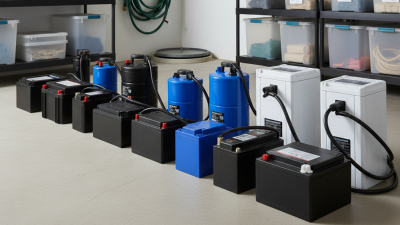
When selecting a battery backup sump pump, there are key features to consider. A reliable battery is essential. Look for pumps with deep-cycle batteries that provide longer run times. This ensures your pump continues to function during power outages, protecting your home from flooding. A pump with a charging system is also crucial. It will keep the battery topped off and ready for emergencies.
The pump's capacity is another important detail. Choose one that can handle the maximum water flow in your basement. Checking the horsepower is vital, too. A more powerful pump can move water more quickly. Monitor the noise level as well. Some pumps can be quite loud, which may not be ideal for residential areas.
While it's beneficial to have a backup pump, consider installation as well. A complicated setup might lead to problems later. Having a professional install it can save you headaches. However, ensure you understand how to operate and maintain it. Regular checks will help you avoid potential failures, especially during heavy rains. Always reflect on your choice to ensure it meets your unique needs.
Battery Backup Sump Pump Key Features
The following chart illustrates key features to consider when choosing a battery backup sump pump, measured against common feature ratings. This data can help homeowners make informed decisions.
Comparing Different Types of Sump Pumps Available
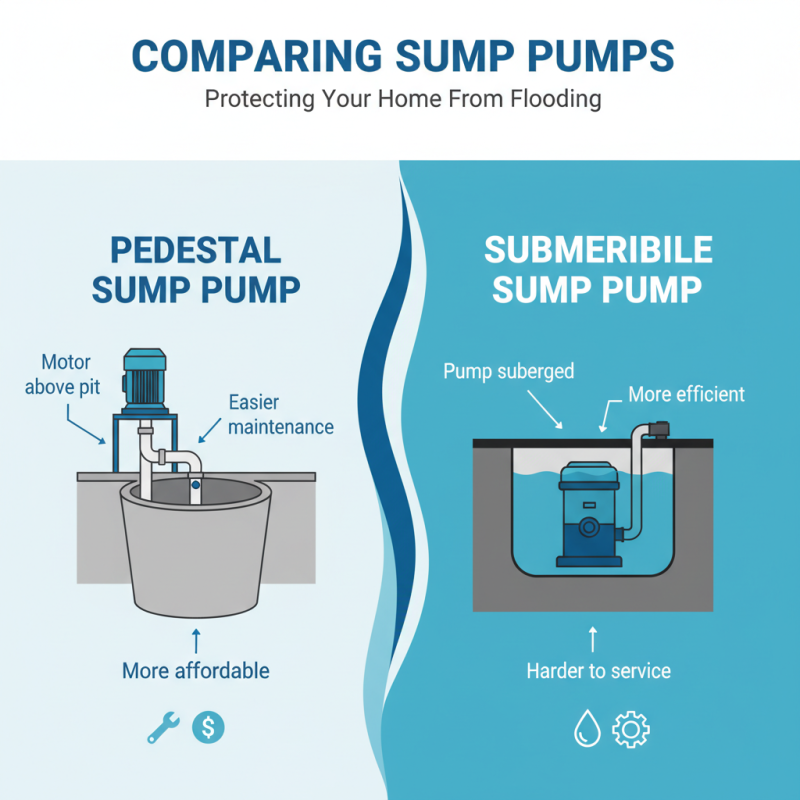
Choosing the right sump pump is crucial for protecting your home from flooding. There are several types of sump pumps available, each with unique features. The most common types are pedestal pumps and submersible pumps. Pedestal pumps are typically more affordable and easier to maintain. They have a motor above the sump pit, making them accessible for repairs. Submersible pumps, on the other hand, are designed to be submerged in water. They are often more efficient but can be harder to service.
When evaluating these options, it's important to consider your specific needs. Assess your basement size and water volume. If you experience frequent flooding, a submersible pump with a higher horsepower might be the best choice. For occasional dampness, a pedestal pump could suffice.
**Tips:** Always check the pump's capacity before purchase. Make sure it can handle your home's water load. Look for waterproof materials as well; durability is key. Also, consider a backup battery system. When the power goes out, you want your system to keep running. Regular maintenance can extend the life of your pump, too. Inspect it at least once a year, clearing any debris.
Installation and Maintenance Tips for Optimal Performance
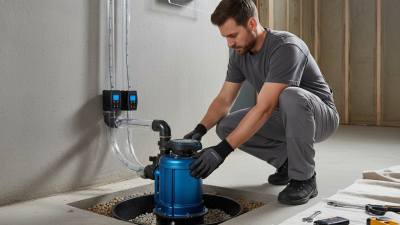
When considering the installation of a sump pump with battery backup, focusing on maintenance is vital. Regular inspections can significantly extend the pump's lifespan. It's recommended to check the pump every three to six months. During these checks, look for any wear signs on the pump components or battery. According to a study by the American Society of Home Inspectors, about 60% of sump pumps fail due to lack of maintenance.
Battery maintenance is equally essential. Ensure that the battery is fully charged and replace it every three to five years. A weak battery can lead to system failure during critical times, especially in storms. Additionally, monitor the connections. Loose connections can cause intermittent power loss. Keeping the area around the sump pump clean can prevent debris from clogging the system, as cited by the Journal of Engineering Studies, which indicates that up to 30% of pump failures are due to obstructions.
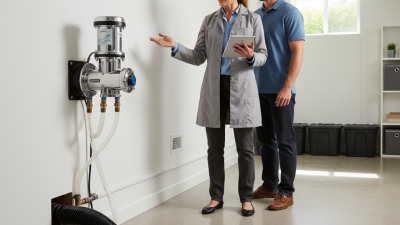
Consider the environment where the sump pump operates. If it's frequently inundated with water, you may need a more powerful model. Consultation with professionals can provide insights that might not be apparent upon casual inspection. Yet, sometimes this advice varies based on individual circumstances. It's essential to weigh the options carefully and prioritize proper installation and routine care, recognizing that even top-rated pumps won't perform optimally without diligent maintenance.