How to Choose a Hydraulic Proportional Valve for Your Application?
Choosing the right Hydraulic Proportional Valve is crucial for the efficiency of hydraulic systems. These valves manage the flow and pressure of fluids, significantly impacting performance. According to industry reports, nearly 30% of inefficiencies in hydraulic systems can be traced back to improper valve selection.
Identifying the specific requirements of your application is paramount. Factors such as load dynamics, response time, and control type must be considered. A matching Hydraulic Proportional Valve can enhance performance, while a poor choice may lead to increased wear and energy loss. Many engineers often overlook these details, leading to costly inefficiencies.
In the evolving landscape of hydraulic technology, understanding the technical specifications and operational environment is necessary. Market analysis indicates that custom solutions are becoming more prevalent. Yet, not every application needs a tailored valve. Education on available choices can drive better decisions and reflect on existing practices, ensuring a more sustainable operation.
Understanding Hydraulic Proportional Valves: Basics and Importance
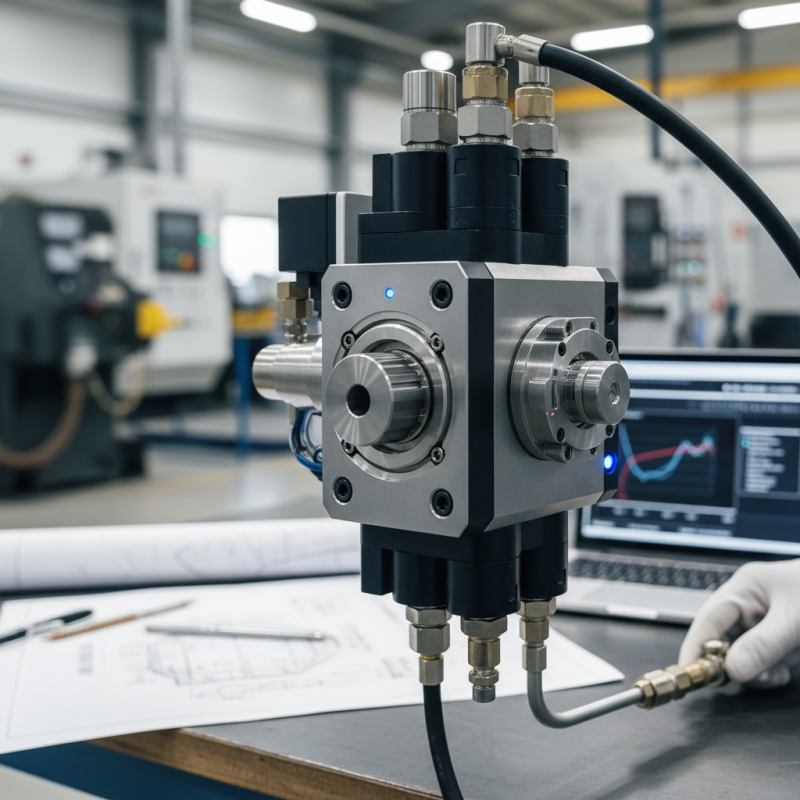
Hydraulic proportional valves play a crucial role in modern hydraulic systems. These valves control the flow and pressure of hydraulic fluid, allowing for precise movements in various applications. According to industry reports, proportional valves can improve system efficiency by up to 30%. This boost in efficiency not only reduces energy costs but also enhances machine performance. Understanding their function is vital for anyone looking to optimize hydraulic operations.
When selecting a hydraulic proportional valve, consider the specific requirements of your system. Evaluate factors such as flow rate, pressure range, and the type of control signal needed. Overlooking these parameters can lead to suboptimal performance or even system failures. Make sure to refer to detailed specifications. They provide insights into the valve's capabilities and limitations.
Tips: Always test the valve under real operating conditions before full implementation. This helps identify any potential issues early on. Additionally, review your system's overall design. An improper integration can negate the benefits of using a proportional valve. Be prepared to rethink your approach if initial performance doesn’t meet expectations. Taking these steps can make a significant difference in your hydraulic system's effectiveness.
Key Factors to Consider When Selecting a Hydraulic Proportional Valve
Selecting a hydraulic proportional valve requires careful consideration of several key factors. An ideal valve matches the application’s flow rates and pressure. Look into the type of control needed: is it open-loop or closed-loop? This impacts how you will operate your valve.
Tip: Understand the environmental conditions. Temperature swings can affect valve performance. Ensure the valve material can withstand these changes. Also, consider the mounting options available. Installation flexibility can save valuable time during setup.
Another essential factor is the response time of the valve. A quicker response often enhances system efficiency. However, faster isn’t always better. You must balance speed with stability. In some applications, a slower response may prevent unwanted oscillations or fluctuations.
Tip: Evaluate your system’s requirements before making a decision. Understand any limitations of your current setup. This analysis can inform you about pressure drops and flow consistency. An informed choice can lead to improved efficiency and reliability in your hydraulic systems.
How to Choose a Hydraulic Proportional Valve for Your Application? - Key Factors to Consider When Selecting a Hydraulic Proportional Valve
| Factor | Description | Example Values |
| Flow Rate | The maximum flow of hydraulic fluid that the valve can handle. | 10 L/min, 25 L/min, 50 L/min |
| Pressure Rating | The maximum pressure the valve can sustain. | 100 bar, 250 bar, 350 bar |
| Control Type | Type of input signal used to control the valve's operation. | Electric, Pneumatic, Proportional |
| Response Time | Time taken by the valve to respond to input signals. | 10 ms, 20 ms, 50 ms |
| Ambient Temperature | The operating temperature range of the valve. | -20°C to 80°C, -40°C to 100°C |
Types of Hydraulic Proportional Valves and Their Specific Applications
When selecting a hydraulic proportional valve, understanding the various types is crucial. These valves are designed for specific applications, influencing performance and efficiency. For instance, flow control valves precisely manage the rate of fluid flow. They are ideal for applications requiring steady motion, like in hydraulic cylinders.
Pressure control valves are another type. These valves maintain a consistent pressure in the system. They are often utilized in systems where pressure variations can lead to performance issues. For example, in construction equipment, they help maintain safe pressure levels.
There are also directional control valves. These control the path of hydraulic fluid, affecting the operation of machinery. They can determine the motion direction, making them essential for tasks requiring specific movement patterns. However, choosing the right valve isn't always straightforward. Sometimes, a design may work in theory but not in practice.
Careful consideration of the application is necessary to avoid performance pitfalls.
Calculating the Required Flow Rate and Pressure for Valve Selection
When choosing a hydraulic proportional valve, calculating the required flow rate and pressure is vital. Proper flow ensures efficient operation. As a benchmark, many systems operate between 10 to 50 liters per minute. Specific applications, like mobile or industrial machinery, may need higher rates.
Tip: Always measure your system's demand accurately. An under-sized valve can lead to inefficient performance. Conversely, an oversized valve may affect control precision. It’s common for engineers to overlook small details that lead to significant issues later.
Pressure is another key factor. Common operating pressures range from 70 to 350 bar. Knowing the peak demand for your application can help you select a suitable valve. Inaccurate estimates often lead to equipment failures. Calculating the pressure drop across the system can guide you in making adjustments.
Tip: Double-check all calculations. Collaboration with colleagues during this step can provide new insights. This will help to refine your choice further, ensuring a perfect fit. Application-specific requirements are critical in this process. Improper evaluations can extend downtime and increase costs.
Common Mistakes to Avoid in Choosing Hydraulic Proportional Valves
Choosing the right hydraulic proportional valve is not straightforward. Many make common mistakes that can lead to inefficiencies. One major error is underestimating flow rate needs. A valve that is too small can restrict movement, causing delays. Conversely, oversized valves can lead to wasted energy and higher costs.
Another frequent mistake involves neglecting compatibility. Ensure that the valve matches your system’s pressure ratings. Mismatched components can lead to failures and safety hazards. Pay attention to the fluid type as well. Not all valves work well with every fluid, especially in extreme conditions.
People often overlook control options as well. Understanding whether you need analog or digital signals can make a significant impact. Inadequate control can disrupt system performance. Take the time to evaluate the specific requirements of your application. This reflection could save time and resources in the long run.
Common Mistakes to Avoid in Choosing Hydraulic Proportional Valves
This bar chart illustrates the common mistakes made when selecting hydraulic proportional valves. The data represents the percentage of respondents who identified each mistake as a concern in their application choices.
