How to Choose a Home Sump Pump for Maximum Basement Protection in 2025
Choosing the right home sump pump is crucial for homeowners aiming to protect their basements from potential water damage in 2025. With increasing climate unpredictability and urban development leading to more frequent flooding, the need for a reliable sump pump is more important than ever. Renowned home improvement expert John Doe emphasizes this necessity, stating, "A high-quality home sump pump can be the difference between a dry basement and a flooded nightmare."
As we navigate the challenging landscape of home maintenance, selecting the appropriate home sump pump involves not only understanding the different types available but also evaluating features that will provide maximum protection. From horsepower to the pump's capacity to handle water flow, every detail matters in ensuring the safety of your living space. By gearing up with the right information and expert advice, homeowners can make informed decisions that will safeguard their properties for years to come. Preparing for the future starts with selecting a sump pump that aligns with your specific needs, thereby allowing you to enjoy peace of mind in your home.
Understanding the Importance of a Sump Pump for Basement Protection
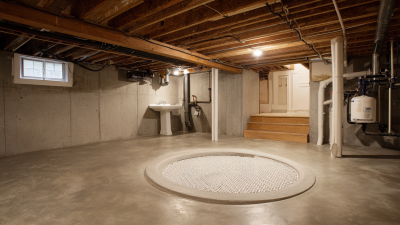
A sump pump plays a crucial role in protecting your basement from water damage and flooding. By actively removing excess water that accumulates in the sump basin, these pumps prevent the risk of mold growth, structural damage, and costly repairs. Understanding the mechanics of a sump pump and its importance can significantly impact your home's integrity, especially in areas prone to heavy rainfall or high groundwater levels.
The effectiveness of a sump pump is not just in its installation but also in its reliability during critical moments. A functional sump pump will ensure that water is expelled promptly, maintaining the dryness of your basement. Regular maintenance and the assessment of the pump's capacity are essential to guarantee its proper operation. In 2025, choosing the right sump pump will hinge on understanding your basement's specific needs and the potential threats posed by the surrounding environment.
Prioritizing this home protection system can lead to a safer and more resilient living space.
Key Factors to Consider When Choosing a Sump Pump Model
When selecting a sump pump for optimal basement protection, several key factors must be considered to ensure effective water management. One significant aspect is the pump's capacity, typically measured in gallons per hour (GPH). For most residential needs, a pump that can handle at least 2,000 GPH at a 10-foot lift is advisable. According to the American Society of Home Inspectors, approximately 60% of American homes experience some form of water intrusion, highlighting the importance of choosing a sufficiently powerful pump to combat potential flooding issues.
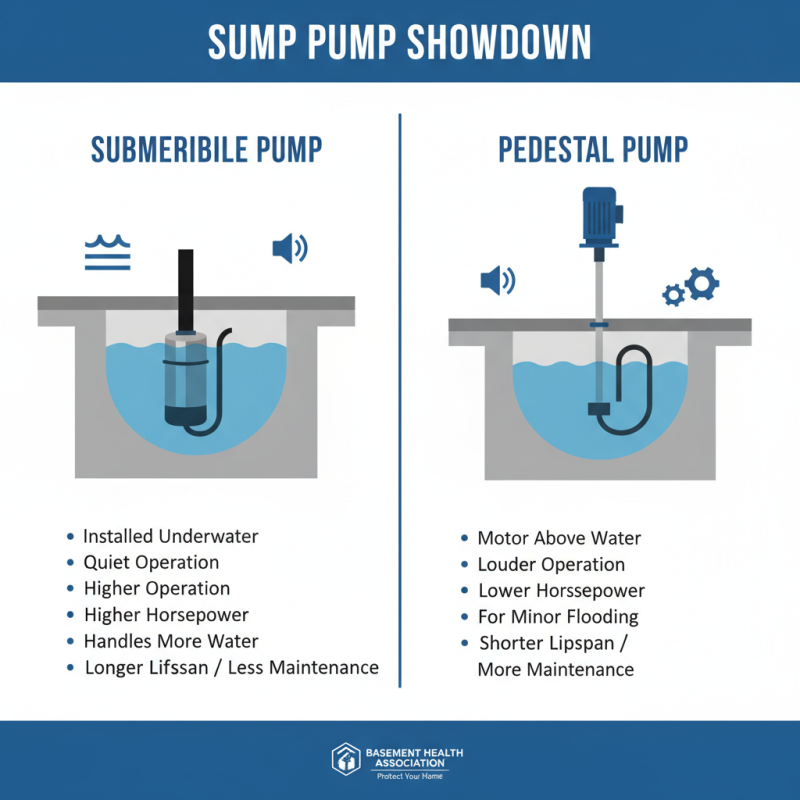
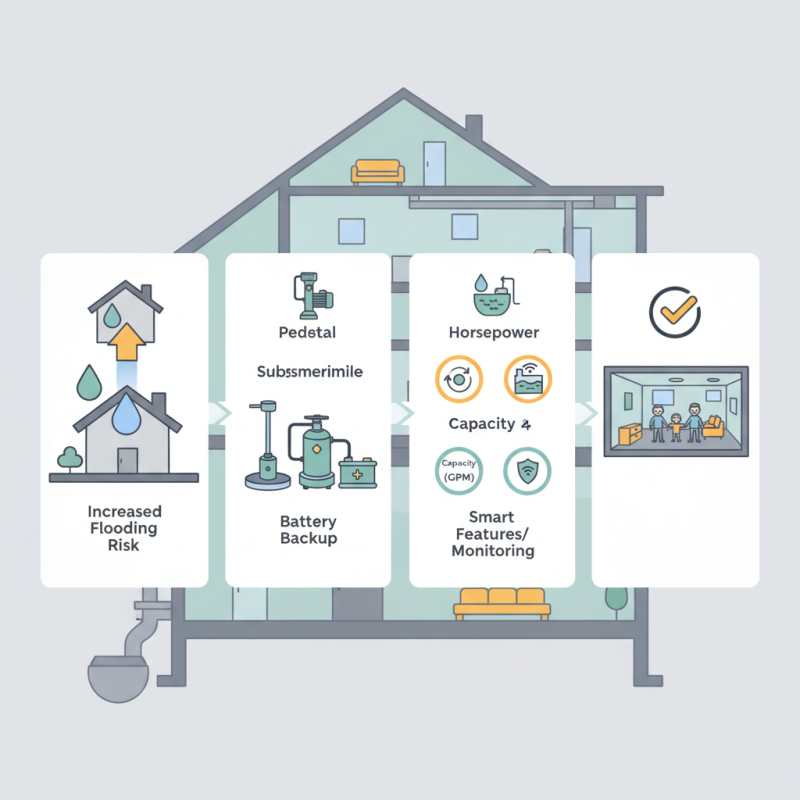
Another critical factor is the type of sump pump. There are primarily two types: submersible and pedestal pumps. Submersible pumps are designed to reside underwater in the sump pit, offering better performance and quieter operation. In contrast, pedestal pumps, which sit above the pit, are easier to access for maintenance but may be less efficient, especially in heavy rainfall situations. Research indicates that 75% of homeowners prefer submersible models due to their efficiency and reduced noise levels, making them a favored choice for areas prone to flooding.
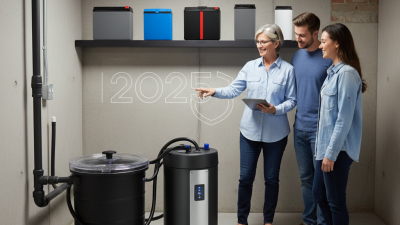
Finally, consider the pump's features, such as float switches, backup systems, and alarms. A high-quality float switch, for example, ensures the pump activates promptly to prevent overflow. Incorporating a battery backup system is essential, as up to 25% of power outages occur during storms, leaving basements vulnerable. Moreover, alarms provide alerts for potential failures, adding an extra layer of protection. By assessing these factors carefully, homeowners can make an informed decision to safeguard their basements effectively in 2025 and beyond.
Types of Sump Pumps: Comparing Submersible and Pedestal Options
When selecting the right sump pump for your home, understanding the differences between submersible and pedestal options is crucial for ensuring optimal basement protection. Submersible sump pumps are designed to be installed underwater in the sump basin, making them efficient in managing larger amounts of water without creating excessive noise. According to the Basement Health Association, submersible models often have higher horsepower ratings and can handle more significant flooding events. These pumps typically have a longer lifespan due to their enclosed motor, effectively reducing maintenance needs.
In contrast, pedestal sump pumps are positioned above the sump basin, using a long pipe to draw water up from the pit. This design allows for easy access to the motor for repairs and maintenance, making it a user-friendly option. However, they tend to be less powerful and may require more frequent replacement. Research from the American Society of Home Inspectors suggests that pedestal pumps are suitable for areas with low water tables or minor flooding issues, while submersible pumps are preferred for homes in regions prone to significant water accumulation.
**Tips:** Consider the power source for your sump pump. Battery backups are crucial during power outages, especially in flood-prone areas. Additionally, ensure that the sump pump features an automatic float switch, which allows for hands-free operation and can significantly reduce the risk of overflows. Remember to evaluate your specific basement needs by assessing the average water levels and flood history to make an informed decision.
Essential Features for Effectiveness and Reliability in Sump Pumps
When selecting a sump pump for your home in 2025, focusing on essential features is crucial for ensuring both effectiveness and reliability. One of the key features to consider is the pump's horsepower. A motor with adequate horsepower can efficiently remove water during heavy rainfall or flooding, safeguarding your basement from water damage. Generally, pumps with 1/3 to 1/2 horsepower are sufficient for most residential needs, but larger setups or extreme weather conditions may require more powerful options.
Additionally, you should look for a sump pump equipped with a reliable float switch system, which activates the pump automatically when water levels rise. This feature ensures continuous operation without manual intervention, a vital aspect during sudden storms. A backup power source is another important attribute; in the event of a power outage, a battery backup pump can maintain functionality, providing peace of mind and enhancing protection against water intrusion. Lastly, consider pumps with robust materials and construction, as durability can significantly affect the lifespan and reliability of your system under various conditions.
How to Choose a Home Sump Pump for Maximum Basement Protection in 2025
| Feature |
Importance |
Recommended Type |
Average Price ($) |
| Horsepower |
Affects pump speed and water removal efficiency |
0.5 to 1 HP |
150 - 300 |
| Pump Type |
Determines the suitability for different environments |
Submersible |
200 - 400 |
| Switch Type |
Ensures reliable activation at required water levels |
Vertical Float Switch |
30 - 70 |
| Base Width |
Impact on stability and fit in sump pit |
Wide Base Models |
100 - 250 |
| Backup Power |
Essential during power outages |
Battery Backup System |
100 - 300 |
| Material Quality |
Determines durability and lifespan |
Corrosion-resistant materials |
N/A |
Maintenance Tips for Ensuring Long-Term Performance of Your Sump Pump
Maintaining your sump pump is crucial for ensuring its longevity and effectiveness in protecting your basement from flooding. According to industry reports, regular maintenance can increase the lifespan of a sump pump by up to 50%. This involves checking the pump's power source, inspecting discharge lines for clogs or leaks, and testing the pump's operation periodically. Experts recommend running the pump at least once a month, especially during dry seasons, to ensure it cycles properly and to identify any potential issues before heavy rainfall or snowmelt occurs.
In addition to routine checks, cleaning the sump pit is essential to prevent debris from obstructing the pump's function. Hydraulic studies show that even small blockages can reduce a pump's efficiency significantly, leading to inadequate drainage capacities during critical times. Regularly scheduled maintenance should also include an inspection of the float switch, which controls the pump's operation; a malfunctioning float can leave your home vulnerable to flooding. Overall, adhering to these maintenance tips will help ensure the long-term performance and reliability of your sump pump, safeguarding your basement against unwanted water intrusion.