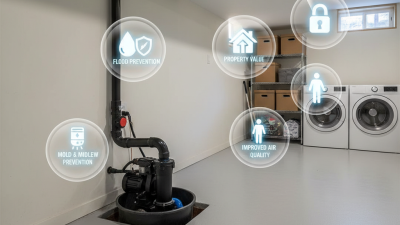
How to Choose the Right Water Pressure Sump Pump for Your Home?
Choosing the right water pressure sump pump for your home is essential. This decision can be overwhelming. Many factors come into play, from pump capacity to installation requirements. Understanding your home’s unique needs is crucial.
Water pressure sump pumps vary greatly. Some are simple, while others feature complex systems. You may find pumps with different horsepower ratings, which directly influence efficiency. A pump that is too small may fail during heavy rains. In contrast, an oversized pump can waste energy and money.
Consider specific details such as the size of your sump pit. The depth of the water table is also important. Many homeowners overlook these aspects. A good choice can protect your home from flooding. However, choosing poorly could lead to costly repairs. Reflect on your needs carefully. Find a balance between affordability and functionality.
Understanding Sump Pumps: Types and Their Applications in Homes
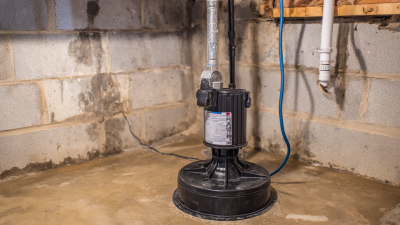
Sump pumps are essential for controlling groundwater in basements. Understanding their types and applications helps in making informed choices. There are generally two main types of sump pumps: submersible and pedestal. Submersible pumps are installed underwater and are quieter. They are ideal for homes with significant water accumulation. Pedestal pumps, on the other hand, are located above the sump pit. They are easier to service but can be louder.
Choosing the right type may depend on your basement’s conditions. If your area is prone to flooding, a submersible pump might be the better option. For homeowners seeking a budget solution, a pedestal pump may suffice. It's important to assess how much water your basement collects during heavy rains.
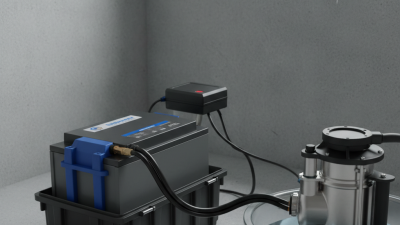
**Tips:** Check the pump's horsepower. A higher horsepower rating usually means more efficiency. Ensure the pump has a reliable float switch for automatic operation. Inspect the sump pit’s size before purchasing a pump. Sometimes, basement designs are surprising, complicating installation. If your basement has odd shapes or dimensions, be prepared for adjustments. This can lead to reflection on proper planning and additional costs. Always consider backup power options, especially in stormy weather.
Factors Influencing the Selection of Water Pressure Sump Pumps
Choosing the right water pressure sump pump is essential for effective home drainage. Several factors influence this decision. First, consider the pump capacity. Measure the size of your sump pit. A larger pit may require a more powerful pump. Assess your typical water flow. High-volume areas need pumps with higher GPM ratings.
Next, think about the material of the pump. Plastic and cast iron are popular options. Plastic is lightweight and resistant to corrosion. However, it may not hold up under heavy usage. Cast iron offers durability but can be quite heavy. The choice depends on your installation conditions.
Finally, consider the pump's features. Automatic switches can save you time. Some pumps include alarms for high water levels. Yet, these features can complicate repairs. Regular maintenance is needed for longevity. Reflect on your specific needs. A well-chosen pump can protect your home from flooding. But, don’t overlook the importance of a backup system. It may save you in an emergency.
Evaluating Pump Capacity: Gallons Per Hour (GPH) and Head Height
Choosing the right water pressure sump pump involves understanding two key factors: gallons per hour (GPH) and head height. GPH tells you how much water the pump can remove in an hour. This is crucial for assessing your needs. A higher GPH is essential if your basement floods regularly. However, don’t just focus on the numbers. Know your home’s specific water removal requirements.
Head height is equally important. It refers to how high the pump can lift water. If your sump pit is deep and you need to pump water upstairs, this becomes a significant factor. Calculate the vertical distance from the pump to where the water will exit. If the pump can't handle that head height, it won't work effectively.
Tips: Measure your basement's depth accurately. Always consider potential rainfall in your area. Think about future needs too. A pump that barely meets your current requirements may fall short later. Increasing your pump's capacity might seem excessive now, but it could save you headaches down the road. Balancing GPH and head height is essential, but personal home circumstances matter too. Reflect on your past experiences with water issues before making a purchase.
How to Choose the Right Water Pressure Sump Pump for Your Home?
| Pump Model |
Gallons Per Hour (GPH) |
Head Height (Feet) |
Power (Horsepower) |
Weight (Pounds) |
| Model A |
3000 GPH |
15 ft |
1 HP |
50 lbs |
| Model B |
2500 GPH |
10 ft |
0.5 HP |
40 lbs |
| Model C |
2000 GPH |
12 ft |
0.75 HP |
35 lbs |
| Model D |
1500 GPH |
8 ft |
0.33 HP |
30 lbs |
Energy Efficiency Ratings and Their Importance in Sump Pump Selection
When selecting a sump pump, energy efficiency ratings can greatly impact your choice. A study by the American Council for an Energy-Efficient Economy found that energy-efficient pumps can save homeowners up to 30% on their electricity bills compared to standard models. This is significant, especially for pumps that may run frequently during heavy rain or flooding.
Understanding the energy efficiency rating is essential. Pumps with a higher rating often have better designs and materials. They require less energy to function, making them more reliable. A pump that operates efficiently not only minimizes your carbon footprint but also maximizes performance. However, efficiency isn’t the only factor to consider. A well-rated pump might be more expensive upfront, leading to questions about its long-term value.
An overlooked aspect is maintenance. Even the most efficient pump can underperform if not properly cared for. Regular checks on seals, impellers, and floating switches keep your pump operating at its best. Moreover, efficiency ratings can fluctuate based on the installation environment. Choosing the right sump pump involves balancing energy efficiency with initial cost and ongoing maintenance. Consider your specific needs carefully.
Maintenance Practices for Longevity and Efficiency of Sump Pumps
Regular maintenance of your sump pump is crucial for its durability and operational efficiency. Start with checking the float switch. It should move freely. If the float gets stuck, it may prevent the pump from working properly. Remove any debris that might obstruct the movement. Cleaning is essential. Dust and grime can build up over time, leading to malfunctions.
Periodically inspect the discharge line. Ensure it is clear and not frozen or blocked. This will help prevent water from backing up. Test the pump by pouring water into the sump pit. The pump should activate automatically. If it doesn’t, that’s a sign it needs attention. Listening to the pump during operation is also important. Any unusual sounds could indicate a problem.
Keeping a maintenance log is beneficial. Documenting any repairs or checks helps track the pump’s health. Reflect on these practices, as neglect can lead to costly failures. A well-maintained sump pump may ensure peace of mind during heavy rains or floods. Don't take for granted that it will work perfectly without care.