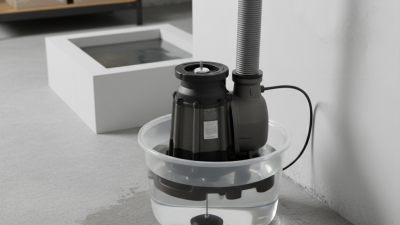
How to Choose the Right Water Commander Sump Pump for Your Needs?
Choosing the right water commander sump pump can be a daunting task. Homeowners often face confusion due to the variety of options available. A sump pump plays a crucial role in preventing water damage in basements and crawl spaces. Understanding your specific needs is essential in making an informed decision.
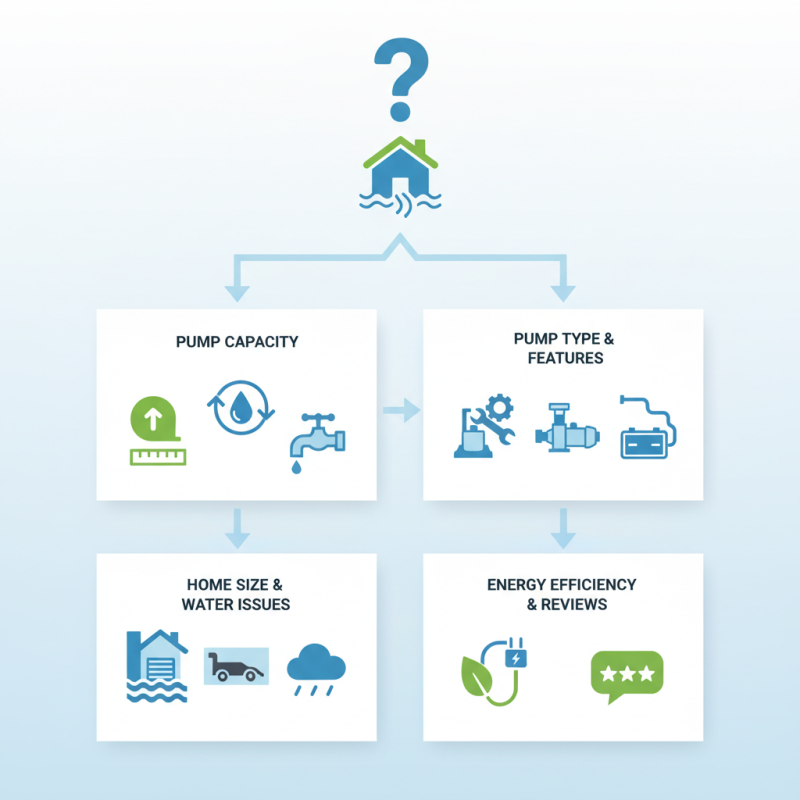
Factors like pump capacity, type, and features are key. A water commander sump pump should suit your home's size and water issues. Buyers often overlook important details, leading to ineffective solutions. For example, the horsepower rating can drastically affect performance. Users may also need to consider the energy efficiency of the pump. This aspect can impact utility bills over time.
While some might rush into a purchase, taking time to research is vital. An informed choice can save significant costs in the long run. However, customers may struggle with selecting the proper model amidst overwhelming choices. Reflecting on user reviews can provide insight, yet opinions vary. Ultimately, understanding your environment and needs is the cornerstone of selecting the right water commander sump pump.
Understanding the Basics of Sump Pumps and Their Functions
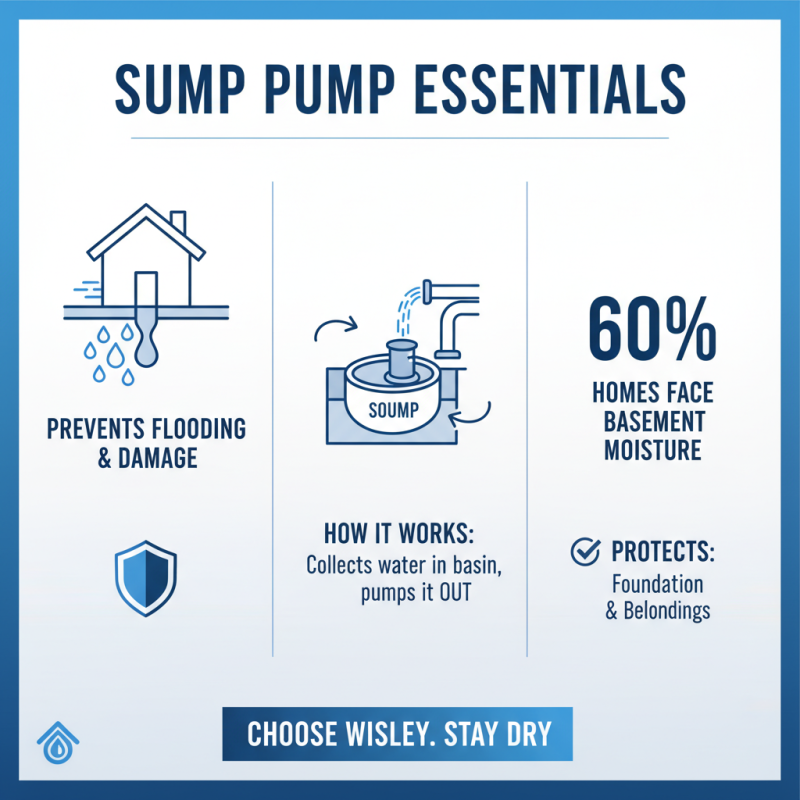
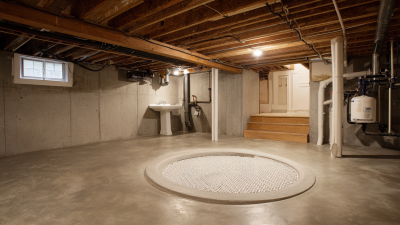
Sump pumps are essential for managing excess water in basements and low-lying areas. They help prevent flooding by removing water collected in a sump basin. This process protects your foundation and belongings. According to a report by the American Society of Home Inspectors, nearly 60% of homes may experience moisture issues in their basements. Therefore, choosing the right sump pump is crucial for homeowners.
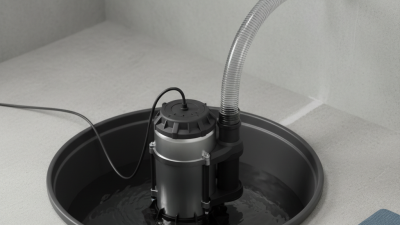
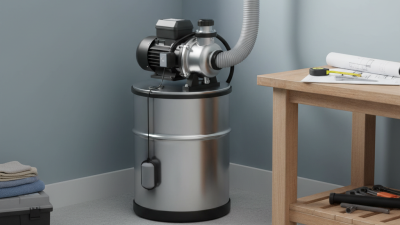
Understanding how sump pumps work is vital. Most pumps operate automatically once water reaches a certain level. They can be classified as submersible or pedestal types. Submersible pumps sit in the water, offering high efficiency and lower noise levels. Pedestal pumps are easier to maintain but may be less effective in large volumes. The National Association of Home Builders shows that proper sump pump placement can reduce flooding risk by up to 80%.
Recognizing the limitations of your sump pump choice is essential. Many people ignore maintenance. Neglect can lead to pump failure. Surprisingly, data indicates that 25% of standby pumps do not function during a power outage. Regular checks, battery backups, and knowledge about your local water table are vital. Each home has unique needs based on climate and geography; understanding these differences can help you select more effectively.
Identifying Your Specific Water Management Needs and Conditions
Choosing the right sump pump starts with understanding your specific water management needs and conditions. Assess your property. Is it prone to flooding? Do you have a basement or crawl space? These factors affect the type of pump you need. For instance, high water tables or heavy rains require powerful pumps. Conversely, lighter tasks may need smaller models.
Evaluate the volume of water you expect to deal with. A pump's capacity is crucial. Knowing the gallons per hour (GPH) can guide your decision. A higher GPH may be necessary for urgent situations, but overkill can be wasteful. Factors like the length of the discharge line also matter. Longer lines need stronger pumps.
Tips:
Keep in mind the pump's power source. Electric pumps work well, but if power outages occur, a battery backup is a must.
Consider features such as float switches or alarms. They can notify you when water levels get high. Reflect on your situation. Do you need automatic or manual operation? Finding the right balance can significantly influence your water management success.
Evaluating Key Features of Water Commander Sump Pumps
Choosing the right sump pump can be tricky. Understanding the key features helps simplify the process. Start by evaluating the horsepower. Pumps vary in power. A stronger pump can handle more water. This is crucial for flood-prone areas. Consider the discharge size too. Typically, two-inch or three-inch options exist. A larger discharge allows faster water removal.
Next, think about the pump's construction. Materials matter a lot. Cast iron pumps often last longer than plastic ones. Durability is key, especially in harsh conditions. Check the pump's weight as well. Heavier pumps often indicate a sturdier design. Don't forget about the switch type. Automatic switches are convenient but may fail over time. Manual options are reliable but require more attention.
Lastly, consider the warranty. A longer warranty shows confidence in the product. However, not all warranties cover the same issues. Some might not include parts after a few months. It’s always good to read the fine print. Investing time to assess these features will help find the right pump. This decision impacts your home’s safety. Don't rush it; reflection leads to better choices.
Comparing Different Models and Their Suitability for Various Applications
Choosing the right sump pump can be overwhelming. There are multiple models, each suited for different situations. Some are designed for basement flooding, while others work well in crawl spaces. It's essential to assess your specific needs before making a choice.
For instance, a high-capacity model is ideal for areas with significant water accumulation. These pumps typically have higher horsepower and can handle large volumes. However, they may be louder and consume more energy. When considering a quiet model, power may be compromised. It’s a balancing act.
Additionally, portability is another factor. If you need a pump for temporary use, lightweight options are available. But, they might not handle heavy-duty jobs effectively. It’s crucial to reflect on where and how often you’ll use the pump. The right choice varies greatly based on personal requirements and the specific conditions of your space.
Making an Informed Purchase Decision Based on Your Requirements
Choosing the right sump pump is crucial for effective water management. An informed decision hinges on understanding your specific needs. Before buying, assess your home’s water issues. Approximately 60% of basements experience some water intrusion. This means potential flooding and damage. Know the volume of water your pump needs to handle.
Consider factors like horsepower and pump capacity. For example, a 1/2 HP pump moves around 3,000 gallons per hour. That might be sufficient for light water accumulation. However, heavy rain or flooding requires powerful pumps. Industry reports indicate that homes in flood-prone areas use pumps with 1 HP or more. It's essential to match pump strength to your basement's moisture levels.
Evaluate the pump's features carefully. Look for options like automatic switches and durable materials. Some models may claim high efficiency but lack reliability. Consumer reviews vary widely, highlighting the need for thorough research. Taking time to analyze your conditions can lead to a better purchase. Don’t rush the process; this could save you time and cost in the long run.