Top Directional Hydraulic Valve Trends at 2026 Canton Fair?
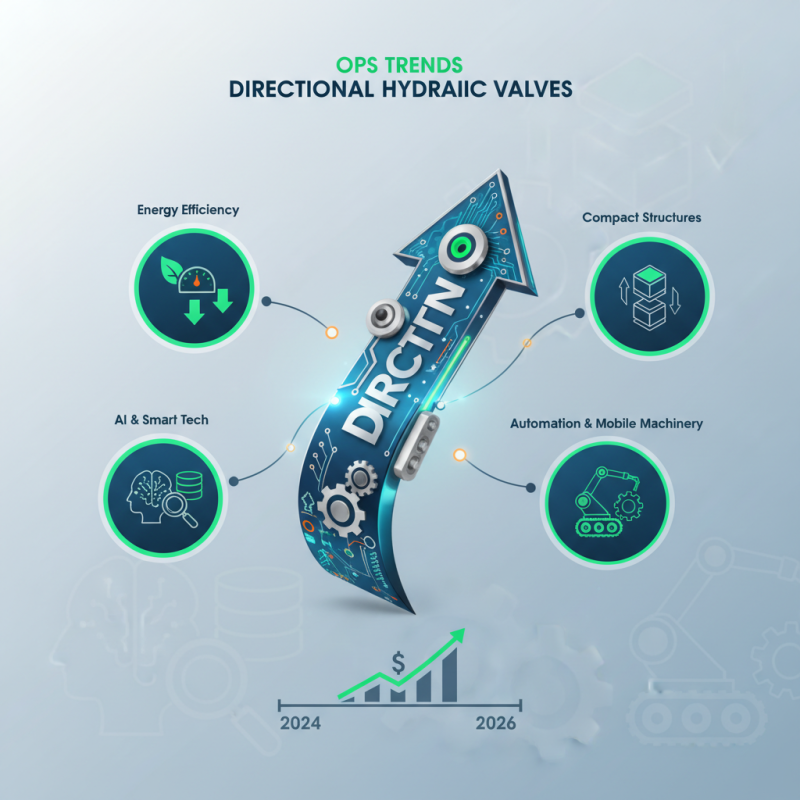
The upcoming 2026 Canton Fair will showcase notable innovations in the Directional Hydraulic Valve sector. As the demand for efficient hydraulic systems grows, industry experts predict an increase in valve technology advancements. The global hydraulic valve market is expected to reach $12 billion by 2026. This growth is driven by sectors like automation and mobile machinery.
During the fair, companies will display cutting-edge Directional Hydraulic Valve designs, emphasizing energy efficiency and compact structures. These changes support the trend toward sustainable manufacturing practices. Exhibitors will leverage AI tools to match buyers with ISO and CE certified suppliers effectively.
As manufacturers adopt smart technologies, challenges remain. Many businesses still struggle with integrating advanced systems into existing operations. However, the potential benefits are significant. The fair will be a critical platform to address these obstacles and explore the latest trends in Directional Hydraulic Valves.
Emerging Technologies in Directional Hydraulic Valves at the Canton Fair
The Canton Fair 2026 promises to showcase some exciting advancements in directional hydraulic valves. Emerging technologies are changing the landscape, enhancing performance and efficiency. One notable trend is the integration of smart technology, allowing for remote monitoring. This feature could drastically improve system maintenance and troubleshooting. Real-time data collection is a game changer for many industries.
Another significant focus is on energy efficiency. New valve designs are optimizing flow rates, thereby reducing energy consumption. Compact designs are also gaining traction, making installations easier in tight spaces. However, some manufacturers struggle to balance performance and cost. Finding an affordable yet efficient solution remains challenging.
Driven by competitive markets, innovation is essential. Sustainable materials are becoming a priority in valve manufacturing. However, the changes are not without drawbacks. Transitioning to newer materials can pose issues for some manufacturers. Adaptation requires time and investment, which may not be feasible for everyone. The evolution in directional hydraulic valves is both exciting and daunting.
Key Industry Players Showcasing Innovations in Hydraulic Valve Design
At the 2026 Canton Fair, key industry players focus on innovation in hydraulic valve design. They showcase unique features that enhance performance. Some products have integrated smart technology, allowing for better control and efficiency. This shift reflects a strong trend towards automation in manufacturing.
Compact designs are also gaining attention. Manufacturers aim to create valves that take up less space while maintaining strength. However, issues with durability and reliability need further examination. Some existing models showed signs of wear within limited usage periods.
Additionally, sustainability is becoming a significant theme. More companies are exploring eco-friendly materials. This shift is commendable, but challenges remain in balancing cost and performance. Innovation is key, yet the market must adapt quickly to these advancements. It's an exciting time, but also one that requires careful reflection on practical applications.
Sustainability Trends Influencing Hydraulic Valve Manufacturing Practices
The hydraulic valve industry is evolving under the influence of sustainability trends. Eco-conscious manufacturing practices are taking center stage. Reports show that a significant percentage of manufacturers are adopting greener technologies. For instance, nearly 65% are prioritizing recyclable materials. This shift indicates a strong commitment to reducing environmental impact.
Energy efficiency is another key focus. Studies suggest that improved hydraulic systems can decrease energy consumption by up to 30%. However, many manufacturers struggle to achieve these targets. Learning to balance efficiency and production costs presents a challenge. Some companies may overlook the importance of long-term savings for immediate gains.
Moreover, regulatory pressures are pushing the industry towards innovation. The trend is clear: more stakeholders demand accountability in sustainability. This can lead to complex hurdles, as adapting to regulations can be costly. Despite the challenges, the push for greener practices is essential. The future of hydraulic valves greatly depends on how manufacturers navigate these evolving demands.
Market Demand and Customer Preferences for Directional Hydraulic Valves
As the demand for directional hydraulic valves continues to rise, the 2026 Canton Fair will spotlight evolving customer preferences. Data from recent industry reports indicates that the market for hydraulic valves is projected to grow at a CAGR of 4.5% from 2023 to 2028. This expansion highlights the increasing need for efficient and reliable hydraulic systems in multiple sectors.
Market surveys reveal that customers prioritize factors such as durability, energy efficiency, and ease of integration in their purchasing decisions. A staggering 70% of respondents indicated that long-term performance influences their choice of suppliers. However, some manufacturers still grapple with quality assurance, leading to inconsistent product offerings.
Tips: Focus on developing products that meet specific customer needs. Consider conducting user feedback sessions to refine your designs. Additionally, explore innovative materials that enhance valve longevity while reducing energy consumption. By addressing these needs, businesses can better align with market trends. The continuous fluctuation in market demands offers a chance for reflection and innovation. Adapting quickly will be key for manufacturers aiming to lead the market.
Top Directional Hydraulic Valve Trends at 2026 Canton Fair
| Trend | Market Demand (%) | Customer Preference (%) | Expected Growth Rate (%) |
| Electro-hydraulic Valves | 35 | 70 | 12 |
| Proportional Valves | 28 | 65 | 9 |
| Smart Hydraulic Valves | 22 | 80 | 15 |
| Miniature Valves | 15 | 60 | 7 |
| High Flow Valves | 25 | 75 | 10 |
Challenges and Opportunities Facing the Hydraulic Valve Industry in 2026
The hydraulic valve industry faces significant challenges in 2026. Demand for energy efficiency is rising. Companies must adapt to new regulations. Many manufacturers struggle to innovate. They need to invest in modern technologies and research.
Competition is fierce in the market. New players enter often. Established firms must find unique selling points. Keeping costs low while enhancing performance is difficult. There are also issues with supply chain disruptions. Raw material shortages pose a serious problem. Industry players must navigate these complexities carefully.
Opportunities do exist amidst these challenges. The push for automation creates new markets. Smart hydraulic systems are becoming popular. Adopting IoT technology can improve user experience. However, not every company is equipped to make this transition smoothly. The gap in expertise might hinder growth. Addressing skill shortages in the workforce is essential for future success.
