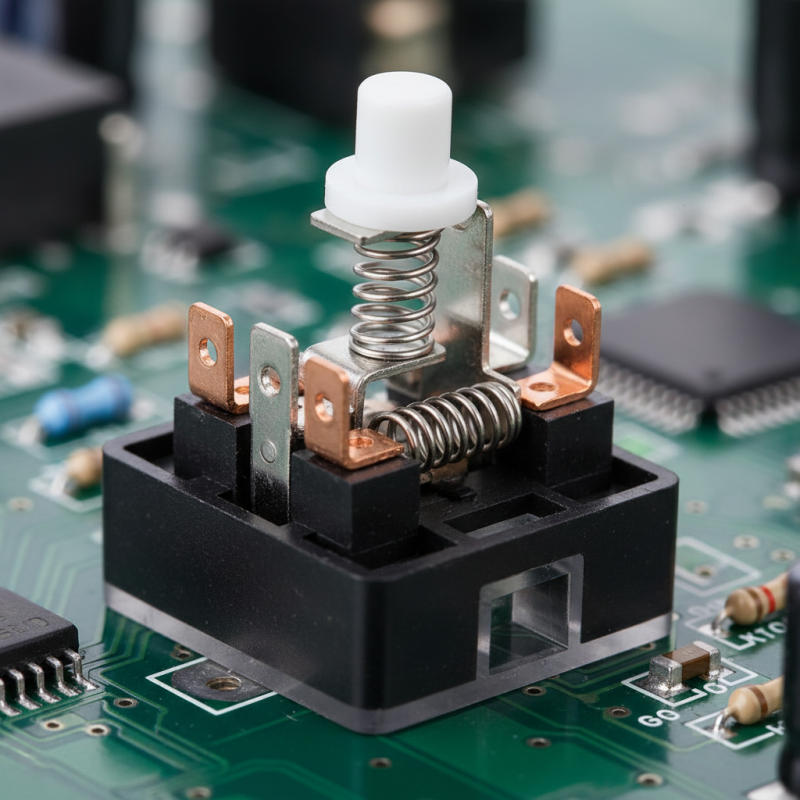
What Are Micro Switches and How Do They Work?
micro switches are small yet powerful components found in various devices. They play a crucial role in many electrical systems. Their reliability and precision make them a favorite in the industry.
These switches operate on a spring mechanism. When actuated, a tiny button engages or disengages the circuit. This creates a distinct clicking sound, indicating action. Their size may be small, but their impact on functionality is significant. Micro switches are commonly used in appliances, control panels, and even gaming devices.
Understanding how micro switches work is essential for those in electronics. However, some may overlook their importance. This can lead to failures in devices that rely on them. A closer look reveals their intricate design and operation. Proper care and knowledge can prevent potential issues.
Definition and Overview of Micro Switches
Micro switches are fascinating components used in various electrical applications. They are small, snap-action switches that change states when a specific force is applied. Often found in household appliances, industrial equipment, and even toys, they play a vital role in controlling circuits. Their design typically includes a lever or plunger that is activated by a slight movement. This allows them to offer precise, reliable operation, even in compact spaces.
The operation of micro switches relies on mechanical movement. When the actuator is pressed, it activates a mechanism that opens or closes an electrical circuit. This rapid change can happen in milliseconds. The design is simple, yet effective. However, there are instances where these switches may fail, leading to potential operational issues. Factors like wear and tear can impact their longevity. Additionally, proper installation is crucial, as incorrect positioning may prevent them from functioning correctly. Understanding these nuances can help in troubleshooting when problems arise.
The Working Principle of Micro Switches
Micro switches are essential components in various devices. They activate and deactivate circuits quickly. Their design allows them to respond to minimal pressure. This sensitivity is crucial for applications in appliances, machinery, and safety devices.
The working principle of micro switches lies in their internal mechanism. When a lever or button is pressed, it triggers a spring-loaded actuator. This movement creates a change in the electrical contacts inside the switch, closing or opening the circuit. The swift response time ensures that devices operate reliably.
Tips: Ensure proper placement of micro switches. Misalignment can lead to failures. Regular maintenance can prevent unexpected breakdowns. Always monitor for wear and tear, as micro switches can degrade over time.
Applications of Micro Switches in Various Industries
Micro switches play a crucial role across various industries. They are compact but powerful devices that respond to physical pressure or movement. In the automotive sector, micro switches ensure safety and functionality. For example, they are used in seatbelt reminders and application of brake lights. According to industry reports, the global automotive micro switch market is projected to grow at a rate of 4.5% annually, reflecting the increasing complexity and safety requirements in vehicles.
In the home appliances sector, micro switches are found in washing machines and ovens. They contribute to user-friendly designs and energy efficiency. Projections show that around 60% of appliances incorporate micro switches, optimizing operational functionality. However, the reliability of these switches can vary significantly based on usage and environmental factors. Manufacturing defects or improper installation may weaken their performance, leading to potential safety hazards.
Furthermore, in industrial automation, micro switches serve as vital components in safety interlocks and limit switches. They ensure precise control in machines. Reports indicate that the demand for micro switches in this sector could reach $1.2 billion by 2025. Despite their advantages, users must remain vigilant about maintenance. Environmental conditions and wear can undermine switch performance, sometimes leading to unexpected failures. Understanding these factors is key to enhancing efficiency and safety in many applications.
Advantages and Disadvantages of Using Micro Switches
Micro switches are widely used in various applications due to their reliability. They are compact, easy to install, and provide precise control. However, there are advantages and disadvantages to consider. According to industry data, micro switches have an average lifespan of over 10 million cycles. This makes them a durable option for many devices.
On the upside, micro switches can handle low and high voltage, making them versatile. The tactile feedback they provide makes operations user-friendly. These switches require minimal force, typically around 100 grams, to actuate, enhancing usability in various settings. However, they can be sensitive to dust and moisture. This leads to potential failures if not properly sealed.
Another drawback is their size. While compact, this can sometimes limit placement options. In installations requiring multiple switches, spacing can become an issue. Additionally, while they work well in many environments, extreme conditions may reduce their performance. Building a resilient design that incorporates micro switches requires careful planning. Balancing their advantages against these challenges is crucial for effective implementation.
Maintenance and Troubleshooting Tips for Micro Switches
Micro switches are crucial components in various devices. They ensure reliable operation in many applications. However, like any mechanical device, they require proper maintenance to function correctly. Dust and debris can accumulate, impacting performance. Regular cleaning can prevent issues caused by dirt buildup. A simple wipe with a soft cloth can keep the switch functioning smoothly.
Troubleshooting micro switches can be challenging. Sometimes they fail to activate despite appearing intact. This could be caused by wear and tear over time. According to industry data, about 20% of micro switch failures are due to mechanical fatigue. Inspecting the actuator for misalignment is essential. A misaligned actuator may not engage properly. Testing the switch with a multimeter can also help identify electrical issues.
While regular maintenance reduces malfunction risks, it is not foolproof. Some users may overlook signs of wear, leading to unexpected failures. Listening for unusual sounds can provide valuable feedback. Maintaining an awareness of operating conditions can extend the switch's lifespan. Understanding these nuances is vital for optimal performance in any application.
What Are Micro Switches and How Do They Work? - Maintenance and Troubleshooting Tips for Micro Switches
| Parameter | Description | Common Applications | Troubleshooting Tips |
| Operating Force | The amount of force needed to actuate the switch. | Home appliances, industrial automation. | Check for debris or dirt that might affect the force required. |
| Actuation Type | Describes how the switch is activated (e.g., lever, roller). | Elevators, vending machines. | Inspect the lever or roller for wear and proper alignment. |
| Electrical Ratings | The maximum voltage and current the switch can handle. | Electric doors, safety devices. | Ensure the switch is not exceeding its rated capacity to prevent failure. |
| Lifespan | Number of operations the switch can perform before failure. | Robotic systems, automotive controls. | Monitor usage patterns, replace switches approaching their lifespan limits. |
| Environmental Considerations | Conditions affecting switch performance such as temperature and humidity. | Outdoor equipment, HVAC systems. | Use switches rated for specific environmental conditions. |