Why Do You Need a Water Sump Pump for Your Home?
A water sump pump is an essential device for homeowners, particularly in areas prone to flooding. It serves to remove excess water from basements or crawl spaces, preventing damage to property. According to industry expert John Smith, “A reliable water sump pump can save your home from extensive water damage.”
Many homeowners underestimate the importance of having a functional water sump pump. Without it, heavy rainfall can lead to significant flooding. In turn, this can cause mold growth, which emerges quickly in damp environments. Additionally, the cost of repairs can escalate rapidly, leaving homeowners in distress.
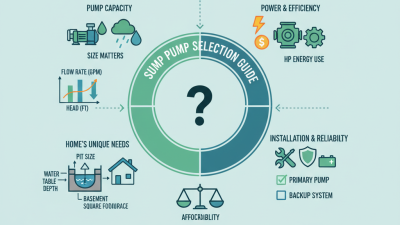
Choosing the right water sump pump is critical, yet many feel overwhelmed by the options available. Not all pumps are equal; some are more efficient than others. Homeowners should conduct thorough research before making a decision. Investing in a quality water sump pump could prevent countless headaches in the future. Water damage might feel like a distant issue until it becomes a reality. Reflecting on past experiences can highlight this necessity.
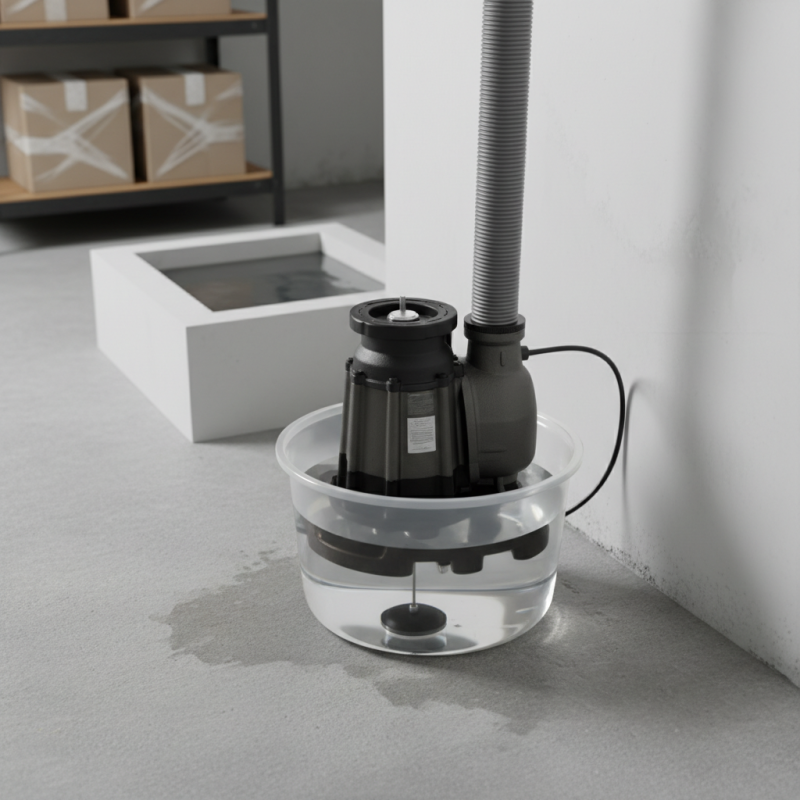
Importance of Water Sump Pumps in Preventing Home Water Damage
Water damage is a persistent issue for many homeowners. According to the Insurance Information Institute, water damage is one of the leading causes of homeowners insurance claims. In fact, around 20% of all claims are related to water damage. Sump pumps play a crucial role in mitigating this risk. These devices help to prevent flooding in basements and crawl spaces, which are particularly vulnerable areas in a home.
A report by the National Flood Insurance Program states that a single inch of water can cause over $25,000 in damage. This staggering figure emphasizes the importance of investing in a proper water sump pump. When heavy rainfall or melting snow occurs, a sump pump can work tirelessly to remove excess water. Homeowners without this protection can face extensive repair costs and prolonged inconvenience.
Many may overlook the need for a water sump pump until faced with flooding. Relying solely on traditional drainage might leave homes vulnerable. Regular maintenance of a sump pump is essential, but some owners neglect this aspect. A malfunctioning pump can become a significant source of damage during crucial moments. It's a reminder that preparedness is key in preventing devastating water damage.
How Sump Pumps Function: Mechanisms and Types Explained
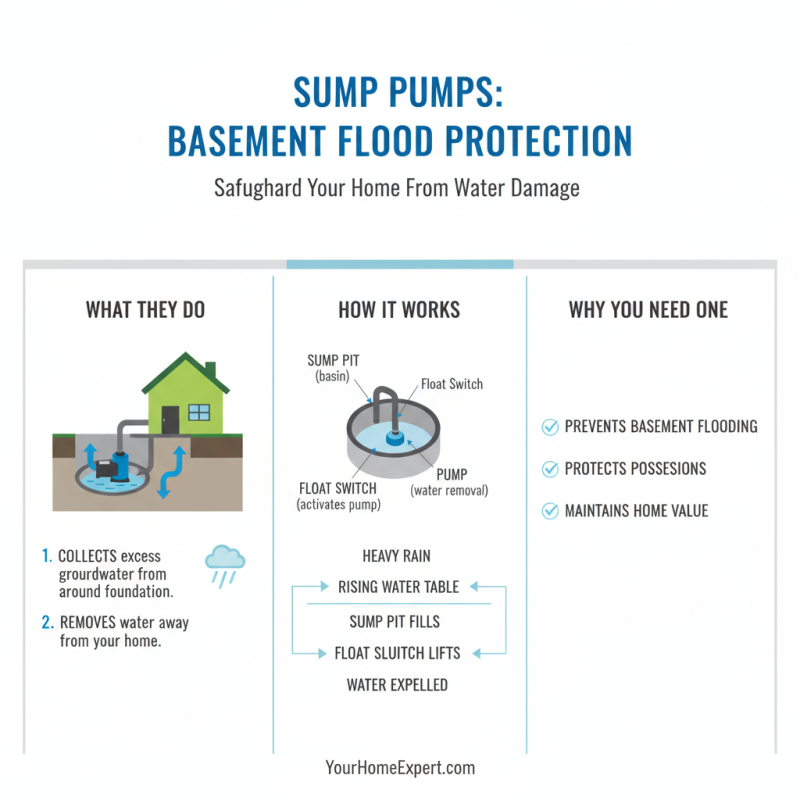
Sump pumps are essential in managing water levels in basements. They prevent flooding by removing excess water from the soil around your home. When it rains heavily, groundwater can rise, threatening to seep into your living spaces.
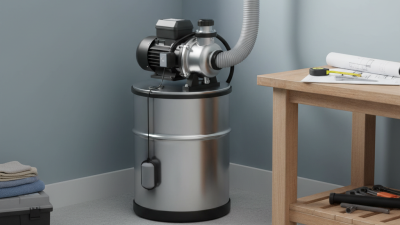
Understanding how sump pumps work is crucial for homeowners. Most sump pumps consist of a basin, pump, and a discharge pipe. Water collects in the basin and triggers the pump to activate. There are two main types: submersible and pedestal pumps. Submersible pumps operate underwater, making them quieter. Pedestal pumps sit above the basin and are easier to maintain. According to a report by the American Society of Home Inspectors, nearly 60% of American homes experience some form of water intrusion.
**Tip:** Regular maintenance extends the life of your pump. Check filters and clean the basin every six months.
A water sump pump is not foolproof. There can be issues with power outages or pump failures. Awareness of your local water table and drainage problems is key. Don't ignore small leaks; they can lead to bigger issues over time.
**Tip:** Consider a battery backup system. It ensures continued operation during power failures.
Statistics on Basement Flooding: Frequency and Impact on Homeowners
Basement flooding is a significant concern for many homeowners. According to the National Flood Insurance Program, around 25% of all flood claims come from low-risk areas. This statistic is alarming. It shows that floods can strike anywhere. In fact, more than 14 million homes in the U.S. are at risk of flooding.
Water damage can have severe financial repercussions. The average cost of a flood claim is over $30,000. That’s a hefty financial burden for anyone. Homeowners can face additional costs, such as mold remediation and structural repairs. Many people underestimate how quickly water can infiltrate a home. Just an inch of water can lead to extensive damage. A sump pump can be a crucial line of defense.
Beyond finances, there are emotional impacts to consider. Home flooding can be traumatic. Many families lose irreplaceable belongings. Not to mention, the disruption to daily life. A water sump pump offers peace of mind. It works silently to pump out unwanted water. This proactive approach can save homeowners stress and money. Investing in a sump pump seems more critical than ever.
Basement Flooding Statistics
Households in the U.S. have reported increasing incidents of basement flooding, prompting the need for sump pumps. The following statistics show the frequency of flooding and its impact on homeowners over the past year.
Cost-Benefit Analysis of Installing a Sump Pump for Homeowners
Water sump pumps can be a valuable addition to homes prone to flooding. Their installation can prevent significant water damage and mold growth, which can be costly to repair. A sump pump can be seen as an investment in home protection.
When considering the cost, you should account for the price of the pump itself, installation, and any ongoing maintenance. While the initial setup might seem steep, the potential savings from avoided water damage can be substantial. Homeowners could save thousands on repairs.
Tip: Regular maintenance of your sump pump is essential. Check it monthly to ensure it functions properly.
Installing a sump pump can feel like overkill to some. After all, not every home experiences floods. But, situations can change rapidly. Heavy storms or unexpected precipitation can lead to basement flooding without warning.
Tip: If you live in a flood-prone area, consider a battery backup system. This ensures continued operation during power outages.
Maintenance Tips for Sump Pumps to Ensure Optimal Performance
Sump pumps are essential for maintaining a dry home. They help prevent water damage, especially in basements. Regular maintenance is crucial for optimal performance. According to a study by the American Society of Home Inspectors, about 60% of homes experience some level of water intrusion. That makes a sump pump vital.
One key tip is to regularly check the pump’s power source. Without electricity, the pump can’t operate. Test the pump by pouring water into the sump basin. If it doesn't activate, there's a problem. Additionally, inspect the discharge pipe for obstructions. A clear path ensures water is efficiently sent away from your home.
Another important aspect is the pump’s check valve. This component prevents backflow into the sump pit. If the valve is faulty, it can cause flooding. Consider replacing it every 2-3 years. As per industry reports, a well-maintained sump pump can last up to 10 years. Neglecting maintenance may shorten its lifespan significantly. Regular inspections can save homeowners costly repairs in the future.