How to Solve Common Sump Pump Problems Quickly?
Sump pump problems can arise unexpectedly, leaving homeowners vulnerable to flooding. When your sump pump fails, quick action is crucial to prevent water damage. Understanding the common issues can help you respond effectively.
Many homeowners find themselves unprepared for pump issues. Common sump pump problems include power failures, clogs, and mechanical malfunctions. Each of these can hinder your pump’s performance. A power outage may stop the pump from working entirely. Meanwhile, debris buildup can cause clogs that prevent water drainage. Even a small fault can escalate into a major issue.
Addressing these problems involves knowing when to troubleshoot and when to call in an expert. Relying on expert insights can ensure your pump runs efficiently. Simple maintenance steps can make a significant difference. However, overconfidence in DIY fixes might lead to more trouble. Being prepared is essential for every homeowner. With the right information, managing sump pump challenges becomes much easier.
Identifying Common Sump Pump Issues and Their Symptoms
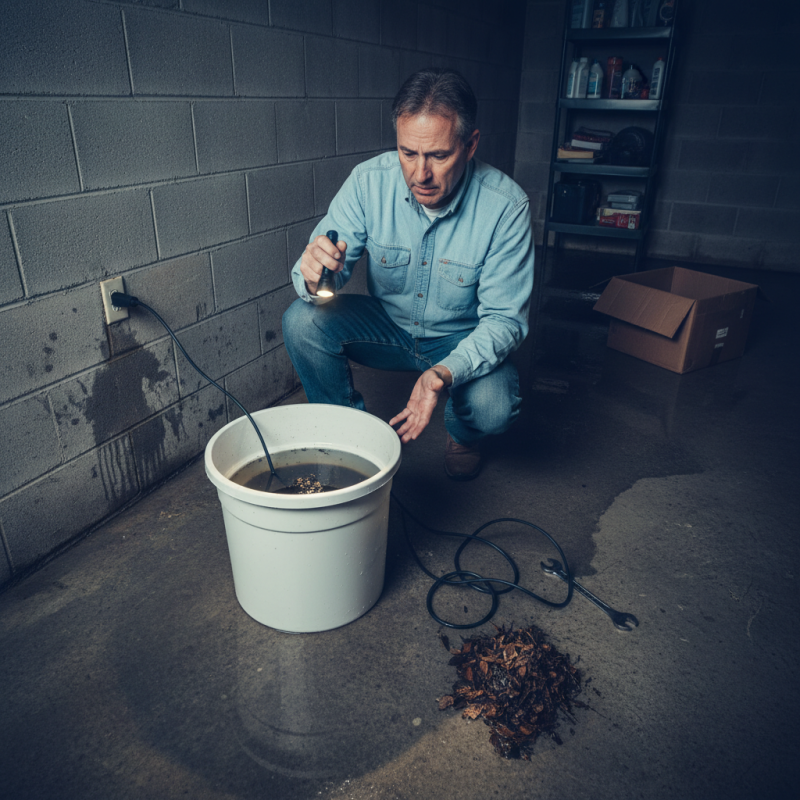
Sump pumps play a crucial role in preventing water damage in basements. However, common issues can arise. Recognizing symptoms early minimizes potential damage. According to the National Association of Home Builders, nearly 60% of homes in the U.S. face some form of water intrusion. The first sign to watch for is excessive noise. A noisy pump often indicates a malfunction or debris issue that demands attention.
Another frequent problem is water not being pumped out effectively. This often shows up as pooling near the sump pit. A clogged discharge line might be the cause. Homeowners might overlook this, thinking their pump is working fine. Regular inspection is key. According to a study by the Environmental Protection Agency, maintaining your sump pump can extend its life by up to 70%. Dry rot in wooden structures can also go unnoticed until it’s too late, a reminder that vigilance is vital.
Lastly, check for corrosion or rust. These signs may indicate wear that could lead to failure. Ignoring this can exacerbate issues. Consistent monitoring and maintenance can prevent larger problems later. Reflections on these signs can lead to better management practices and enhanced home safety.
Common Sump Pump Problems and Their Frequency
Essential Tools for Quickly Diagnosing Sump Pump Problems
Identifying sump pump issues quickly is crucial for maintaining a dry basement. To diagnose sump pump problems, having the right tools on hand is essential. Common tools include a multimeter for checking electrical components and a wrench set for mechanical adjustments. According to a recent report, nearly 40% of homeowners experience sump pump failure during heavy rainfall. Hence, preparation is key.
Tips for quick diagnosis: Start with visual inspections. Look for signs of wear or debris that might block the pump. A clogged discharge pipe is a frequent culprit. Next, use your multimeter. Checking the voltage can reveal electrical issues. If there is no power, you might have to reset the circuit breaker. This simple step often goes overlooked but can save time.
When functioning, sump pumps should run quietly. If you hear strange noises, investigate. Loose components or misaligned parts may cause operational failures. Always prioritize safety. Disconnect the power source before performing any repairs. Remember, while it’s beneficial to diagnose problems yourself, consulting a professional is a wise choice if you're unsure. Don't rush; thorough checks prevent future issues.
How to Solve Common Sump Pump Problems Quickly? - Essential Tools for Quickly Diagnosing Sump Pump Problems
| Problem |
Symptoms |
Essential Tools |
Quick Solutions |
| Pump Won't Start |
No noise, no water movement |
Multimeter, Screwdriver |
Check the power source; replace the float switch. |
| Pump Runs Continuously |
Constant noise, high energy bill |
Level gauge, Float switch |
Adjust the float; check for sewage backups. |
| Pump Clicks On and Off |
Intermittent operation |
Wrench, Pliers |
Inspect the float and piping for obstructions. |
| Pump Overheats |
Smells burnt, tripping circuit |
Thermal camera, Cooling fan |
Ensure proper ventilation; check for clogs. |
| Frequent Cycling |
Runs too often, insufficient drainage |
Ruler, Leveling tool |
Ensure correct installation; adjust float settings. |
Step-by-Step Troubleshooting for Common Sump Pump Failures
Sump pumps are essential for keeping your basement dry. However, they can encounter problems that may lead to flooding. Let's look at common issues and how to troubleshoot them effectively.
One frequent problem is lack of power. Check if the pump is plugged in. Verify the circuit breaker hasn't tripped. Sometimes, a simple reset fixes the problem. If the pump runs but doesn’t discharge water, examine the discharge pipe for clogs. A blocked pipe can cause water to back up, risking flooding.
Another common issue is unusual noise. If your sump pump is making loud or strange sounds, it may indicate mechanical problems. Inspect the float switch; it needs to move freely. Blocked debris or worn parts can lead to failure. Regular maintenance makes a difference, but some issues may still arise unexpectedly. Always keep an eye on your sump pump and adjust as necessary.
Preventive Maintenance Tips to Avoid Sump Pump Issues
Maintaining your sump pump is crucial to prevent unexpected failures. Regular checks can keep it running smoothly. Ensure the pump is clean and free of debris. This simple step can extend its lifespan significantly.
Inspect the discharge line regularly. Blocked pipes can cause water to back up. Clear any obstructions promptly. Make sure to test the pump periodically. Run it with water to ensure it activates. A silent pump may be a sign of trouble.
Check the float switch for proper operation. Sometimes it gets stuck or misaligned. This small oversight can lead to big issues. Lastly, consider installing a battery backup. Power outages can happen unexpectedly, and a backup ensures continued operation when you need it most. Regular maintenance enhances reliability and performance.
When to Seek Professional Help for Sump Pump Problems
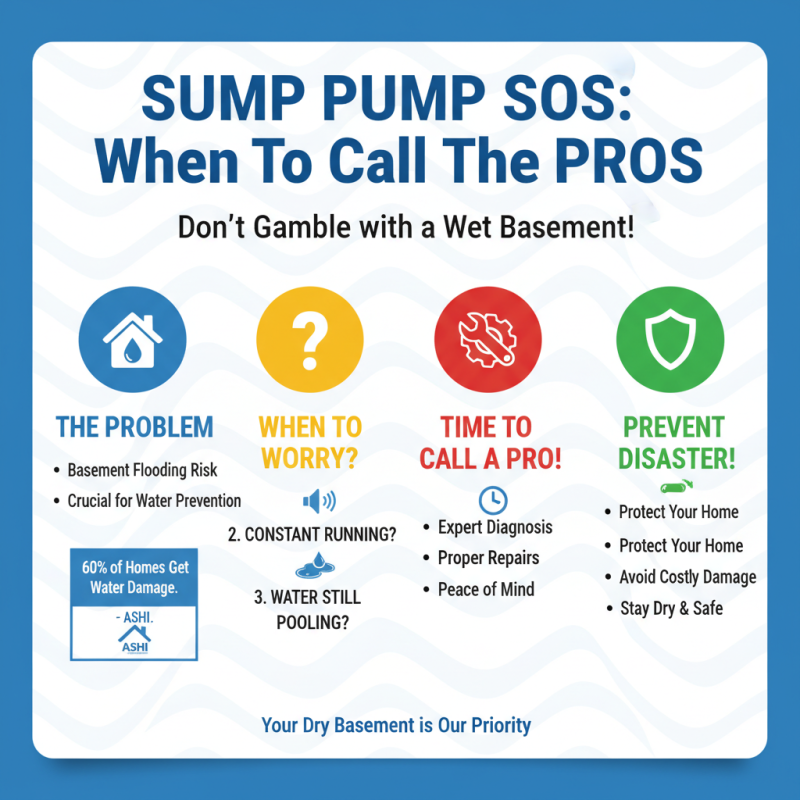
Sump pumps are crucial in preventing basement flooding, but issues can arise. Many homeowners wonder when it’s time to call for professional help. According to the American Society of Home Inspectors, approximately 60% of homes experience some form of water damage. If you notice unusual noises, constant running, or water still accumulating, it’s time to seek assistance.
When addressing sump pump problems, a few tips can save you time and money. Regular maintenance is key. Clean the sump pit and check the pump’s discharge line. This simple act can prevent clogs and ensure efficient operation. If your pump is older than ten years and frequently malfunctions, replacing it might be more cost-effective than frequent repairs.
Sometimes, DIY fixes aren’t enough. Professional help should be sought if you see signs of electrical issues or if the pump frequently fails. Ignoring these problems can lead to extensive water damage. According to the Institute for Business & Home Safety, the average cost for flood cleanup can escalate to $20,000. Keeping your sump pump in check can help prevent this expensive outcome.