Top Reasons You Need a Back Up Sump Pump for Your Home Protection
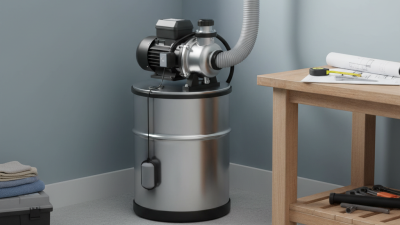
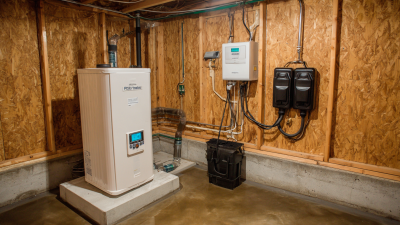
When it comes to safeguarding your home from water damage, the importance of a back up sump pump cannot be overstated. John Smith, a renowned expert in home flood prevention, emphasizes, “A back up sump pump is not just an option; it’s a necessity for homeowners who want to protect their foundation and belongings.” As heavy rains and unexpected storms can overwhelm even the most reliable primary sump pumps, having a back up sump pump in place ensures peace of mind and additional protection against flooding.
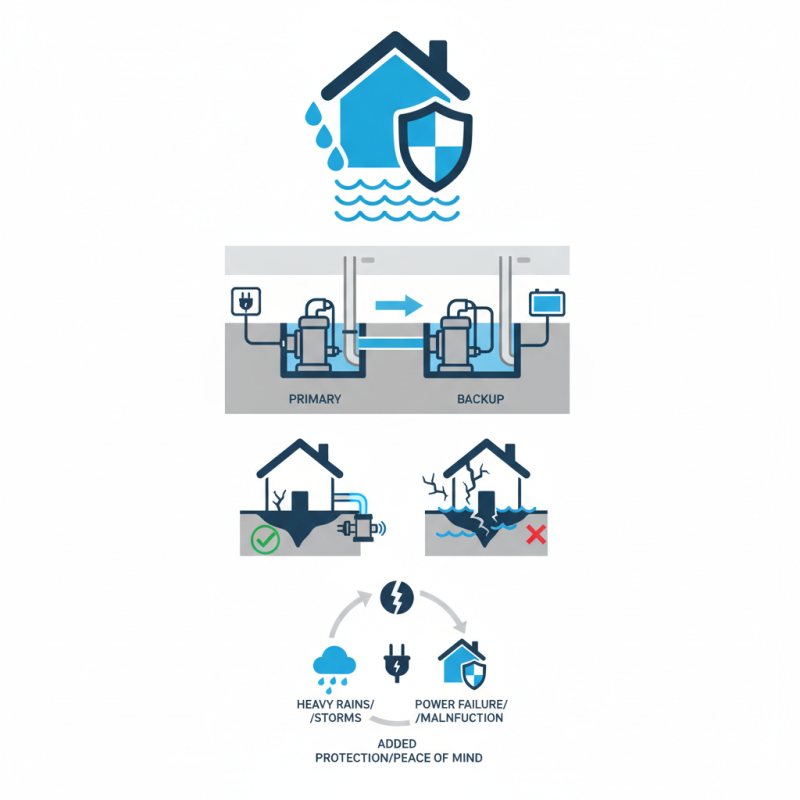
A malfunction or power failure can render your primary sump pump ineffective, putting your home at risk. A back up sump pump serves as an insurance policy, ready to kick in when it matters most. With studies showing that homes without proper flood protection are significantly more likely to suffer extensive water damage, investing in this crucial piece of equipment is a proactive step toward preserving your property and ensuring your family's safety.
In conclusion, integrating a back up sump pump into your home’s flood protection strategy is a wise decision. Not only does it provide an extra layer of security, but it also reflects a homeowner's commitment to preparedness. By heeding the advice of industry professionals like John Smith, you can take essential measures to protect your home and your peace of mind.
Importance of Basement Protection Against Flooding
Basement flooding can have devastating effects on a home's structural integrity and value. When heavy rainfall occurs or there are sudden snow melts, the risk of water accumulation in the basement significantly increases. A backup sump pump serves as an essential safeguard against this threat, ensuring that even during power outages or primary pump failures, water is effectively redirected away from the foundation. By having a backup system in place, homeowners can mitigate the potential for mold growth and costly water damage repairs, which can detract from the home’s livability and resale value.
Additionally, the importance of basement protection extends beyond mere structural concerns. A flooded basement can lead to hazardous conditions, including electrical risks and potential damage to personal belongings stored in the lower levels of a home. Having a reliable backup sump pump can promote peace of mind, knowing that the home is equipped to handle unexpected flooding events. This proactive measure not only secures the physical aspects of the home but also protects the emotional well-being of the residents who value a safe and dry living environment.
Top Reasons You Need a Back Up Sump Pump for Your Home Protection - Importance of Basement Protection Against Flooding
| Reason |
Description |
Impact of Flooding |
Cost of Damage ($) |
| Prevent Power Outage Issues |
A backup sump pump operates during power outages, ensuring continuous protection. |
Severe structural damage, mold growth. |
$5,000 - $15,000 |
| Flood Prevention |
Reduces the risk of flooding, especially during heavy rain or snowmelt. |
Damage to belongings, foundation issues. |
$3,000 - $10,000 |
| Increased Property Value |
A home with a backup sump pump is more attractive to buyers. |
Potential loss of value during sale. |
Varies by market |
| Peace of Mind |
Knowing you’re protected against unexpected flooding helps reduce stress. |
Emotional strain, disruption of living situations. |
N/A |
Common Risks Associated with Power Outages and Sump Pumps
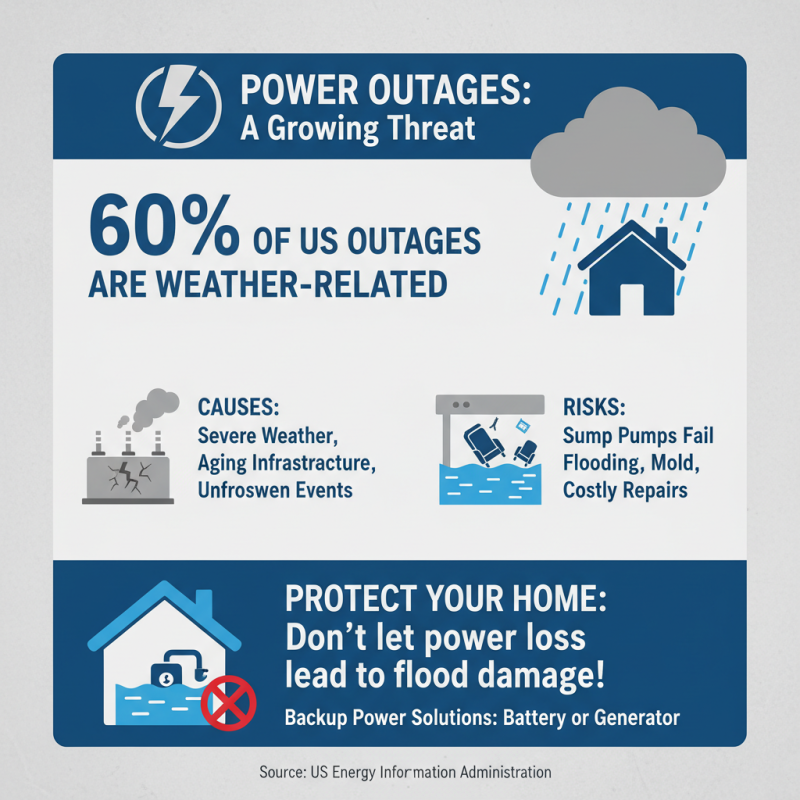
Power outages are increasingly common due to severe weather conditions, substations failing, or other unforeseen events. A report from the U.S. Energy Information Administration highlights that weather-related outages account for approximately 60% of power interruptions in the United States. During these critical times, sump pumps, which are vital for preventing flood damage in homes, often become ineffective without a reliable power source. This creates a significant risk for homeowners, as stagnant water can lead to structural issues, mold growth, and costly repairs.
The National Association of Home Builders indicates that flooding is a leading cause of property damage, with repair costs averaging around $3,000 per incident. In the absence of a back-up sump pump, homeowners leave themselves vulnerable to these risks, especially during heavy rainfall or snowmelt periods when the groundwater rises rapidly. A battery-operated back-up sump pump ensures continued operation even in the event of a power loss, thereby safeguarding the home from potential water damage. Thus, for homeowners, investing in a back-up sump pump can serve as a crucial line of defense against the costly consequences of power outages and flooding.
How a Backup Sump Pump Works to Prevent Water Damage
A backup sump pump is an essential tool for safeguarding your home against water damage, particularly during heavy rain or flooding. Unlike a primary sump pump that is powered by electricity, a backup sump pump typically runs on battery or water pressure, ensuring continued operation even during power outages. This capability is crucial, as many flooding situations can coincide with severe weather events that disrupt electrical service. By having a backup system in place, you can rest assured that your home is protected from potential water damage, mold growth, and structural issues.
The way a backup sump pump functions is quite straightforward. When the primary sump pump fails or is overwhelmed, the backup unit automatically kicks in to remove excess water from your basement or crawl space. It is designed to activate based on water levels, using float switches similar to the primary pump. This seamless transition minimizes the risks of water accumulation, which could lead to considerable damage and costly repairs. Additionally, some backup systems come with features such as alarms to alert homeowners when the primary pump is not working, ensuring that any problems can be addressed promptly.
Together, these features make a backup sump pump a crucial component of any comprehensive home water management strategy.
Key Features to Look for in a Backup Sump Pump
When considering the installation of a backup sump pump, several key features are essential to ensure optimal performance and reliability. One of the primary aspects to look for is the power source. A battery-powered backup sump pump is crucial for operation during power outages, which are common during severe weather events. According to the
American Society of Civil Engineers, approximately 50% of American homes will experience some water damage due to flooding, making a reliable power source all the more significant.
Another important feature is the pump’s capacity and flow rate. It is advisable to choose a backup sump pump that can handle a minimum of 2,000 gallons per hour at a 10-foot head. This capability ensures that even in heavy rainfall or flooding situations, the pump can effectively remove excess water to protect the home’s foundation. A report from the
National Flood Insurance Program indicates that the average flood claim is over $30,000, emphasizing the financial rationale for investing in a high-capacity backup sump pump.
Last but not least, look for a backup sump pump that offers an automatic float switch and a high-grade construction material to ensure durability. The float switch provides hands-free operation, activating the pump when water levels rise, while robust materials can withstand extensive usage and tough conditions. Industry reports suggest that sump pumps made with cast iron or corrosion-resistant stainless steel tend to last much longer, often exceeding 10 years of reliable service, underscoring the importance of choosing quality components for home protection.
Maintenance Tips for Ensuring Your Backup Sump Pump Functions Properly
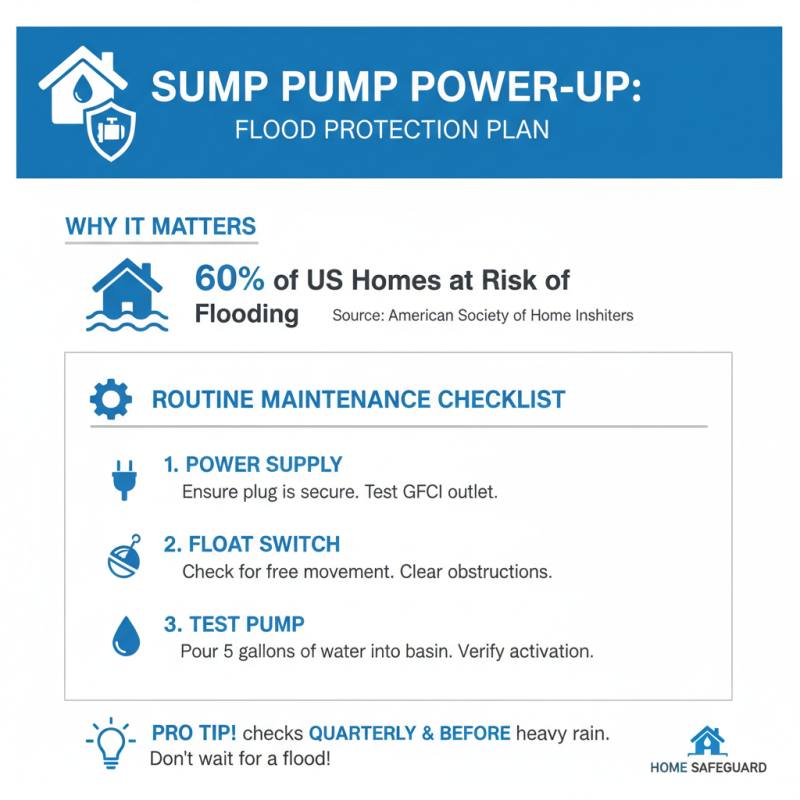
Proper maintenance of your backup sump pump is crucial to ensure that it functions correctly when you need it most. According to the American Society of Home Inspectors, approximately 60% of homes in the U.S. are susceptible to flooding, making a reliable sump pump system essential. Since most homeowners don’t think about their sump pump until flooding occurs, integrating a regular maintenance schedule can drastically reduce the risk of pump failure. Routine checks should include inspecting the pump's power supply, ensuring that the float switch moves freely, and testing the pump by pouring water into the sump basin to ensure it activates properly.
Moreover, the National Flood Insurance Program reports that a significant percentage of flooding damages occur in low-risk areas, highlighting the unpredictable nature of water-related incidents. Homeowners should replace the battery in their backup sump pump every three to five years and consider annual inspections by a professional to examine the operational integrity of the entire system. Keeping the discharge line clear and ensuring it directs water away from the foundation are also critical steps. By following these maintenance tips, homeowners can safeguard against unexpected floods and extend the lifespan of the backup sump pump, creating a more secure environment for their property.