What is a Sump Pit and How Does it Work?
A sump pit is a crucial component in managing water accumulation in residential and commercial properties. According to industry reports, nearly 60% of homes in flood-prone areas rely on sump pits to prevent water damage. This structure collects excess water that seeps into basements or crawl spaces, ultimately preventing structural issues and mold growth.
Understanding how a sump pit works can help homeowners make informed decisions. Routine maintenance, for instance, can prolong the system's lifespan. However, many homeowners overlook the importance of regular inspections. A neglected sump pit can lead to costly repairs down the line. The American Society of Home Inspectors suggests inspecting your sump pit at least once a year to ensure it functions properly.
Yet, despite the clear benefits, there remains some confusion about sump pit systems. Many homeowners question when and how much water should trigger the pump. Some forget to check vital components like the float switch. Such oversights can undermine the effectiveness of this protective system. Maintaining a sump pit requires attention and understanding to safeguard against potential water damage.
What is a Sump Pit?
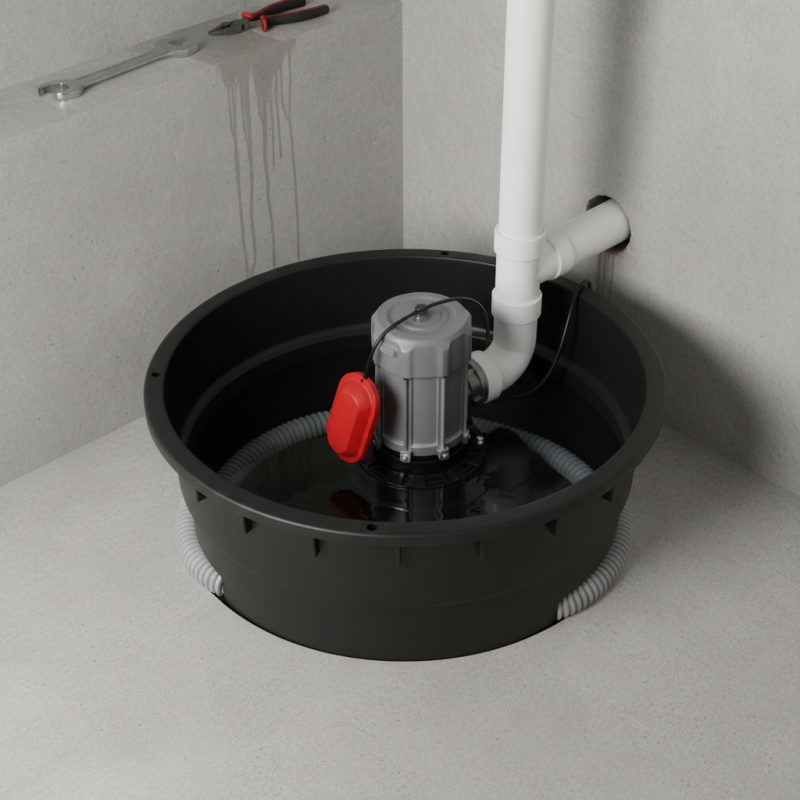
A sump pit is a crucial component in many homes, especially in flood-prone areas. It serves as a reservoir for excess water, preventing damage to the foundation. This underground pit collects water from various sources, like rainfall or groundwater seepage. Typically, it is found in basements and crawl spaces.
The operation of a sump pit involves a sump pump. When the water level rises in the pit, the pump activates and pushes the water away from the house. This process helps to remove moisture that could otherwise lead to mold or structural issues. However, it's vital to monitor the system regularly. A malfunctioning pump can lead to water buildup, causing severe damage. Homeowners often forget to check their sump pump's functionality, which can be a costly oversight.
Choosing the right size for a sump pit is essential but can be tricky. A pit that's too small may not handle heavy rain. Conversely, an overly large pit may take up unnecessary space. Homeowners should assess their specific needs and consider consulting professionals for guidance. This balancing act requires time and effort, but neglecting it could result in regret later.
Monthly Rainfall in a Sump Pit
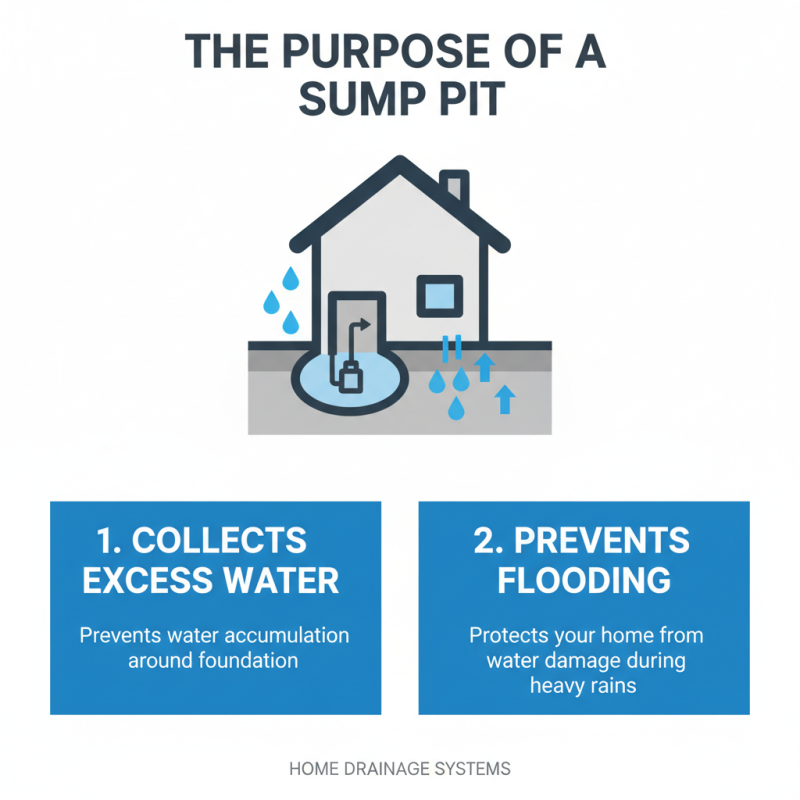
The Purpose of a Sump Pit in Home Drainage Systems
A sump pit plays a crucial role in home drainage systems. Its main purpose is to collect excess water, preventing flooding. When heavy rains occur, water seeps into the ground and accumulates around the foundation. This is where a sump pit comes into play. It captures this water and ensures it doesn’t damage your home.
The sump pit is usually located in the basement or the lowest part of a building. It’s often deep and filled with gravel, allowing water to flow in. When the water level rises, a pump activates, draining the water safely away from your home. However, not all sump pits work effectively. Some homeowners neglect maintenance, leading to clogs or pump failures. Regular checks are essential to keep things running smoothly.
In some cases, homeowners may find their sump pits inadequate. Heavy rainfall can overwhelm poorly designed systems. In these situations, it’s worth reflecting on improvements. Upgrading pumps or adding backup systems can be beneficial. These changes help protect your investment and maintain a dry living space.
How Sump Pits Function: Design and Mechanism Explained
A sump pit is a crucial component in managing groundwater and preventing water damage in basements. Typically, it is a hole dug into the lowest point of a basement. This pit collects excess water that accumulates from the walls, floors, or even from the soil surrounding the foundation. According to the National Association of Realtors, nearly 15% of homes in the U.S. deal with basement flooding, making sump pits essential for many homeowners.
The design of a sump pit usually includes a sump pump, which actively expels the water collected. When water rises to a certain level in the pit, the pump activates, pushing the water away from the home. This mechanism is simple but effective. However, the efficiency of sump pits can be compromised by debris or mechanical failure. Some reports suggest that improper installation or maintenance can lead to over 60% of sump pumps failing during a power outage, highlighting a critical area for homeowners to reflect upon.
Regular maintenance of sump pumps and pits can alleviate potential issues. Inspections should be conducted at least once a year. Neglect can lead to clogging or even complete failure during heavy rain. These situations often reveal the importance of being proactive with home maintenance. Keeping records of inspections and repairs improves reliability and peace of mind.
Common Materials Used to Construct Sump Pits
When constructing a sump pit, the choice of materials is crucial. Most sump pits are made from concrete, plastic, or fiberglass.
Concrete is strong and durable, making it a popular option. It can withstand pressure from surrounding soil and water. However, its installation is labor-intensive and costly.
Plastic is lightweight and easier to install, which can save time. It is resistant to rust and corrosion. But it may not hold up well under extreme conditions.
Fiberglass offers a balance, being durable yet lightweight. It resists algae growth, making it suitable for moist environments.
Each material has its strengths and weaknesses. Some homeowners opt for a mix of materials to enhance durability. For instance, a concrete base with a plastic liner could improve longevity.
However, determining the best choice depends on specific local conditions and needs. Many find themselves questioning these choices after installation, especially if issues arise later.
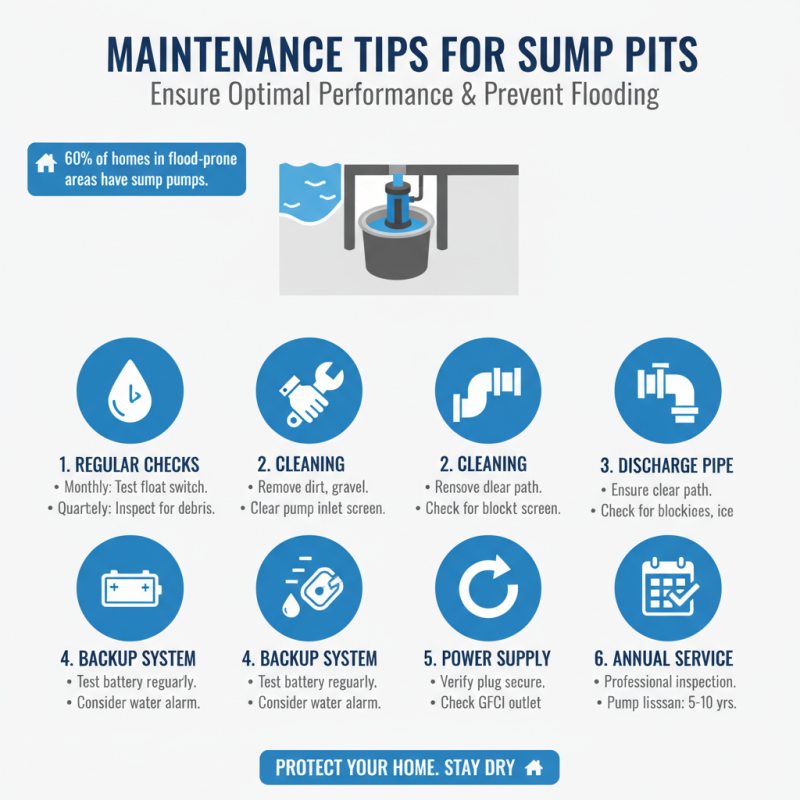
Maintenance Tips for Sump Pits to Ensure Optimal Performance
Maintaining a sump pit is essential for preventing water damage in homes. Regular maintenance ensures that your sump pump functions efficiently. According to the National Association of Home Builders, nearly 60% of homes in flood-prone areas have sump pumps. However, many homeowners overlook their upkeep.
Regular inspection of the sump pit is critical. Check for debris, as even small items can block the pump. Clean the pit at least twice a year to ensure optimal flow. It’s also vital to test the pump by pouring water into the pit. A functioning pump should activate when the water level rises. If it doesn’t, repairs are necessary.
Pay attention to discharge lines as well. Ensure they aren’t frozen or clogged. A malfunctioning discharge can lead to backflow, which can overwhelm the sump pit. In fact, about 30% of sump pump failures occur from improper discharge. Regularly addressing these issues can save money and protect your home from water intrusion.