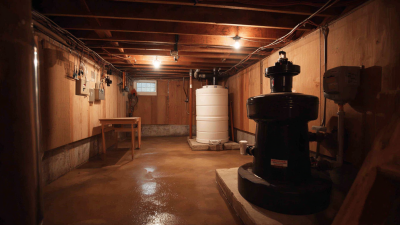
Why is Sump Pump Installation Essential for Your Home Protection?
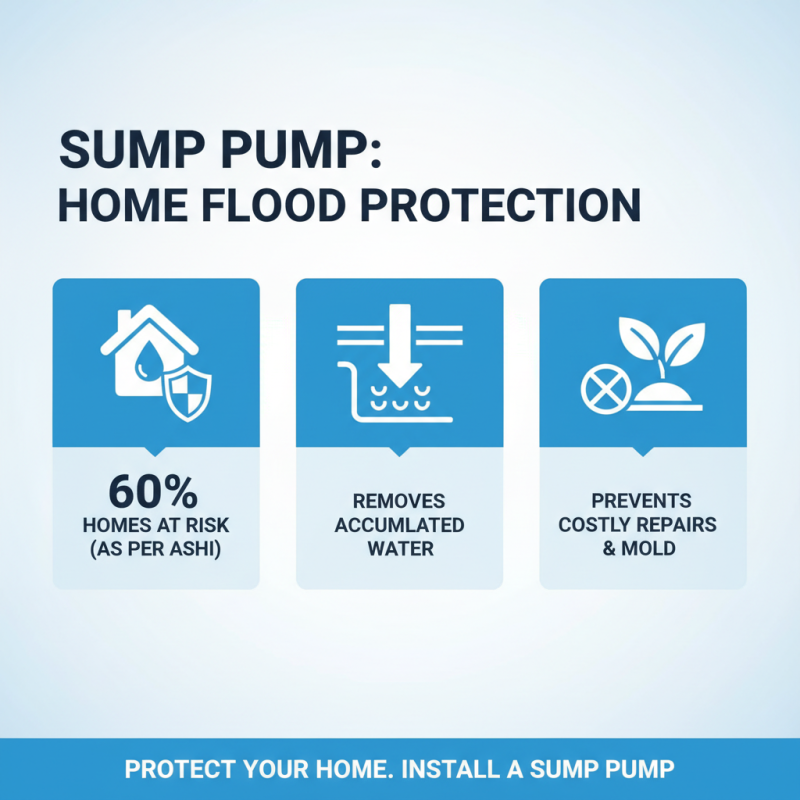
Sump pump installation is crucial for protecting your home from water damage. According to the American Society of Home Inspectors, about 60% of homes in the U.S. experience some form of water damage. This can lead to significant repair costs and health risks due to mold growth. Without proper drainage systems, basements can become vulnerable during heavy rainstorms or rapid snowmelt.
A sump pump serves as your first line of defense. It removes excess water, minimizing the chances of flooding in your basement. Homeowners should consider that the average cost of water damage repairs can exceed $2,000, according to the Insurance Information Institute. Investing in sump pump installation can save both money and stress in the long run.
Many underestimate the importance of this system. Yet, a properly installed sump pump can increase a home's value. It also offers peace of mind, knowing your foundation is protected. Skipping this step could be a costly mistake. Reflecting on this, homeowners should prioritize sump pump installation as a fundamental aspect of home maintenance.
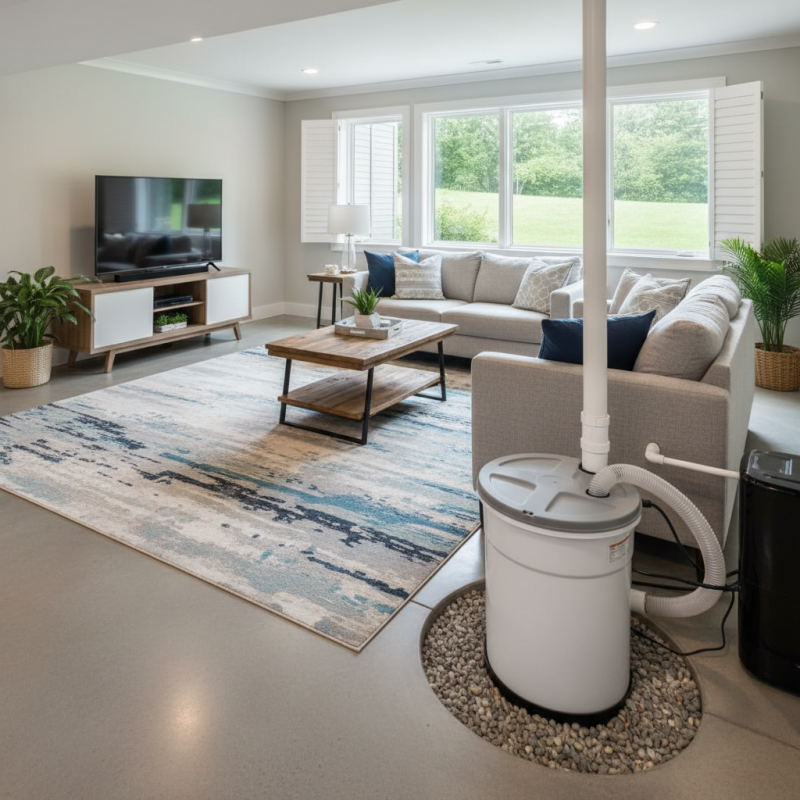
Importance of Sump Pumps in Preventing Basement Flooding
Basement flooding can be a nightmare for homeowners. In fact, 1 in 5 homeowners will experience some type of flooding in their basements. Sump pumps play a crucial role in preventing this issue. They help to redirect water away from your home’s foundation, minimizing the risk of severe water damage. In regions with heavy rainfall or melting snow, having a reliable sump pump is not just wise—it's essential.
To keep your basement dry, regular maintenance of your sump pump is vital. Check the pump’s function every few months. Ensure the discharge pipe is clear of clogs. This simple step can prevent significant flooding during heavy rains. Homeowners often overlook small maintenance tasks, leading to costly repairs down the road.
Check your home’s drainage system as well. Ensure gutters are clean and downspouts direct water away from the foundation. A common mistake is to allow water to pool around the house. That can lead to leaks and mold growth. By addressing these issues early, you can significantly reduce the chances of flooding. Investing in a sump pump can save you from distress and financial strain in the future.
Key Benefits of Installing a Sump Pump for Homeowners
Sump pump installation is crucial for homeowners seeking to safeguard their properties from water damage. According to the American Society of Home Inspectors, about 60% of homes face basement flooding. This highlights the importance of having a reliable sump pump. A sump pump effectively removes accumulated water, preventing costly repairs and mold growth.
One major benefit of installing a sump pump is reduced risk of foundation damage. Water pooling can weaken a home’s structure. When moisture seeps into walls and foundations, it can lead to serious issues over time. The National Association of Home Builders reports that water damage repairs can cost upwards of $3,000. A sump pump can help you avoid these expensive fixes.
Tips: Regular maintenance is essential. Check your sump pump monthly to ensure it is working properly. Clear any debris that could obstruct its function. Consider testing the pump with a bucket of water. This simple step will give you peace of mind.
Another key benefit is improved air quality. Excess moisture leads to mold growth, which can affect your health. The Environmental Protection Agency states that mold can trigger allergies and respiratory issues. A sump pump eliminates excess water, thus reducing mold risks.
Tips: Monitor humidity levels in your basement. Using a hygrometer can help. Keep humidity below 60% for optimal air quality. Address any leaks promptly to maintain a healthy environment.
Understanding the Different Types of Sump Pumps Available
When considering sump pumps, it's crucial to understand the variety available. Primarily, there are two types: pedestal and submersible pumps. Pedestal pumps have a motor mounted above the sump basin. This design makes them easier to service. However, they can be noisy as they work. On the other hand, submersible pumps are placed directly in the water. They are more discreet and usually quieter. Nevertheless, they can be more challenging to access for repairs.
Tips: Regular maintenance is essential. Check the pump every few months. Clear any debris from the sump pit. This ensures smooth operation. A backup battery system can prevent failures during storms. It’s wise to consider such options.
Also, think about the pump’s capacity. Not all homes require the same power. Assess your basement's risk of flooding. A model too small may fail when you need it most. Conversely, an overly powerful pump can lead to futility. Balancing power and need is key. Ensure you take time to research before making a choice.
Why is Sump Pump Installation Essential for Your Home Protection? - Understanding the Different Types of Sump Pumps Available
| Type of Sump Pump |
Description |
Ideal Use |
Average Cost |
| Submersible Sump Pump |
Designed to be submerged in water, using a sealed motor to prevent damage. |
For areas prone to flooding and where space is limited. |
$150 - $300 |
| Pedestal Sump Pump |
Mounted above the sump pit with a long shaft extending to the water level. |
For larger basements and easier access for maintenance. |
$100 - $200 |
| Battery Backup Sump Pump |
Provides backup power during outages, ensuring continued operation. |
For homes in flood-prone areas or with frequent power outages. |
$200 - $600 |
| Water Powered Sump Pump |
Operates using municipal water pressure, no electricity needed. |
For homes that experience frequent power outages and have access to municipal water. |
$250 - $500 |
Factors to Consider Before Installing a Sump Pump
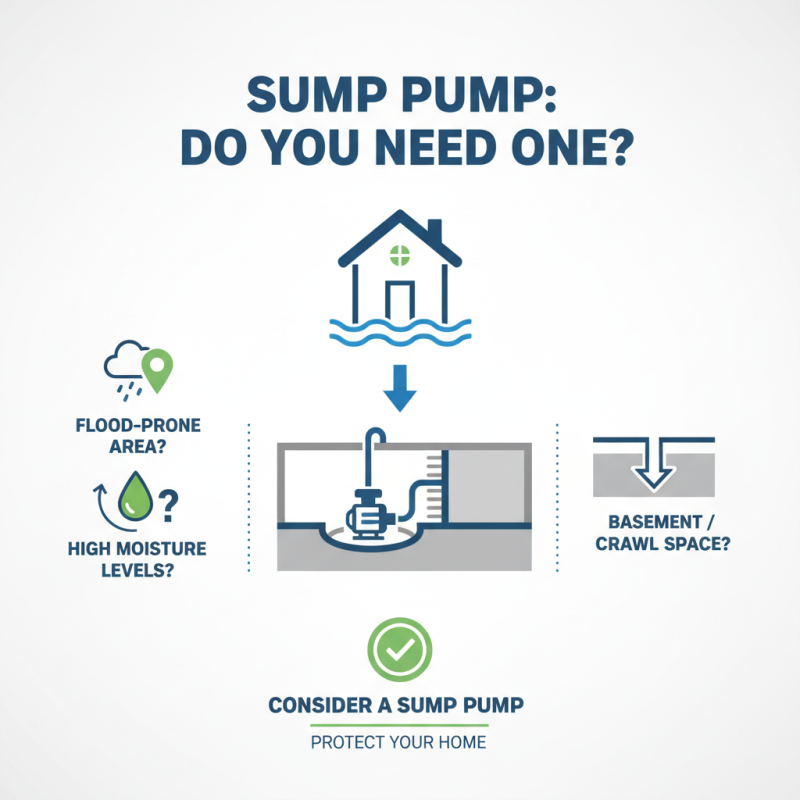
When deciding to install a sump pump, several factors play a crucial role. The location of your home is vital. If you live in an area prone to flooding or heavy rain, a sump pump is necessary. Assess your basement or crawl space as well. Moisture levels there can indicate whether a sump pump is needed.
Consider the size of the pump. Choose one that fits your space and water removal needs. A pump too small may fail during heavy rainfall. Additionally, think about the power supply. An electric sump pump is common, but a battery backup is essential during outages. This ensures protection even when you need it most.
**Tips:** Regular maintenance is key. Clean the pump and check the float switch often. Keep an eye on the discharge pipe. Blockages can lead to failures. Don't forget to test the system every few months. It’s easy to forget, but worth the effort. Remember, improper installation can cause more harm than good. Take time to reflect on these factors before moving forward.
Maintenance Tips to Ensure Your Sump Pump Functions Efficiently
Regular maintenance of your sump pump is crucial for effective home protection. Check the pump every few months. Look for debris and clean any blockages. A clear pit allows water to flow freely. If your pump has a battery backup, inspect it too. Weak batteries can lead to failure during heavy storms.
Test the pump with water. Pour it into the pit and see if it activates. If it doesn’t start, it’s time for repairs or replacement. Listen for strange noises when it operates. Unusual sounds may indicate mechanical issues. Don’t ignore these warnings; they can lead to bigger problems later.
Consider scheduling annual professional inspections. Experts can spot issues early. Small repairs now can save you from costly damages later. Depending on where you live, check the discharge line. Ensure it’s directing water away from your foundation. A poorly placed line can cause flooding in your basement. Taking these steps helps ensure your sump pump works efficiently when it matters most.
Sump Pump Installation Importance and Maintenance Tips
The chart above illustrates key parameters related to sump pump installations and maintenance. It highlights the frequency of installations, the number of maintenance visits required, failure risks associated with inadequate maintenance, and potential cost savings from avoiding water damage. Regular upkeep ensures your sump pump functions efficiently, protecting your home from flooding and water damage.