Top Tips for Sump Pump Installation in 2025 You Need to Know
When it comes to ensuring a dry and safe home, proper sump pump installation is crucial. In 2025, as technology continues to advance, homeowners need to be more aware of the best practices for installing these essential devices. According to industry expert John Smith, a renowned plumbing professional, "The effectiveness of a sump pump installation can greatly reduce the risk of flooding and water damage in your basement." This statement underscores the importance of following the latest guidelines and methods for a successful pump setup.
With the increasing unpredictability of weather events, understanding how to effectively install a sump pump has never been more vital. As we dive into the essential tips for sump pump installation in 2025, we will explore the technological advancements and best practices that can help homeowners safeguard their properties. From choosing the right location to understanding drainage systems, this guide will equip you with the knowledge needed to tackle your sump pump installation confidently. Stay tuned as we unveil strategies that are not only practical but also aligned with modern industry standards.
Essential Tools and Materials for Sump Pump Installation
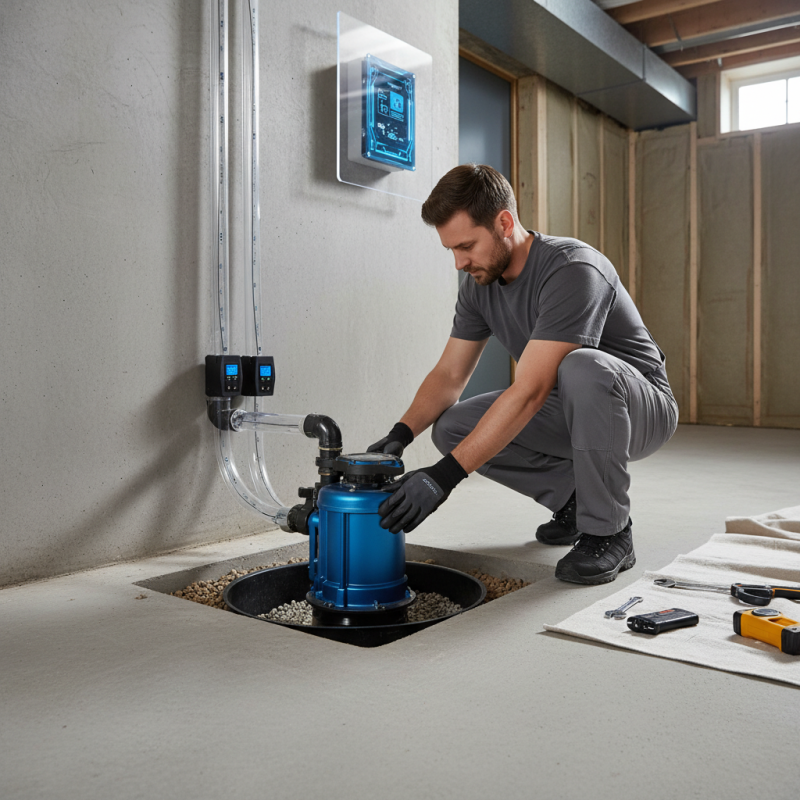
When embarking on a sump pump installation in 2025, having the right tools and materials is crucial to ensure a smooth process. Start with the essentials: a submersible sump pump, appropriate discharge piping, and a check valve. Additionally, you will need a 2-inch PVC pipe or flexible hose for optimal drainage. It is advisable to have a sump basin and gravel on hand, as these materials help with proper water flow and filtration.
Tips for successful installation include ensuring the sump pit is correctly sized and positioned in your basement. This location should be the lowest point to effectively collect water. Use a level to check that your pump is even, which prevents operational issues down the line. Don’t forget to have a reliable power source nearby; consider using a battery backup system for added security during power outages.
Lastly, equip yourself with handy tools like a PVC cutter, screwdriver, and wrench for tight fittings. Make sure to wear protective gear, including gloves and safety glasses, to ensure your safety throughout the installation process. As you prepare your space, keep in mind the importance of venting your sump pit to avoid gas buildup, ensuring both efficiency and safety.
Top Tips for Sump Pump Installation in 2025 You Need to Know
| Dimension |
Details |
| Pump Type |
Submersible Pumps |
| Discharge Pipe Size |
1.5 inches |
| Power Source |
Electric |
| Backup System |
Battery Backup |
| Installation Depth |
Below Water Table Level |
| Key Tools Required |
Drill, Wrench, Level, PVC Cutter |
| Common Materials |
PVC Pipe, Check Valve, Gravel, Sump Basin |
| Maintenance Tips |
Regular testing, Cleaning the sump pit, Check power supply |
Choosing the Right Sump Pump for Your Needs
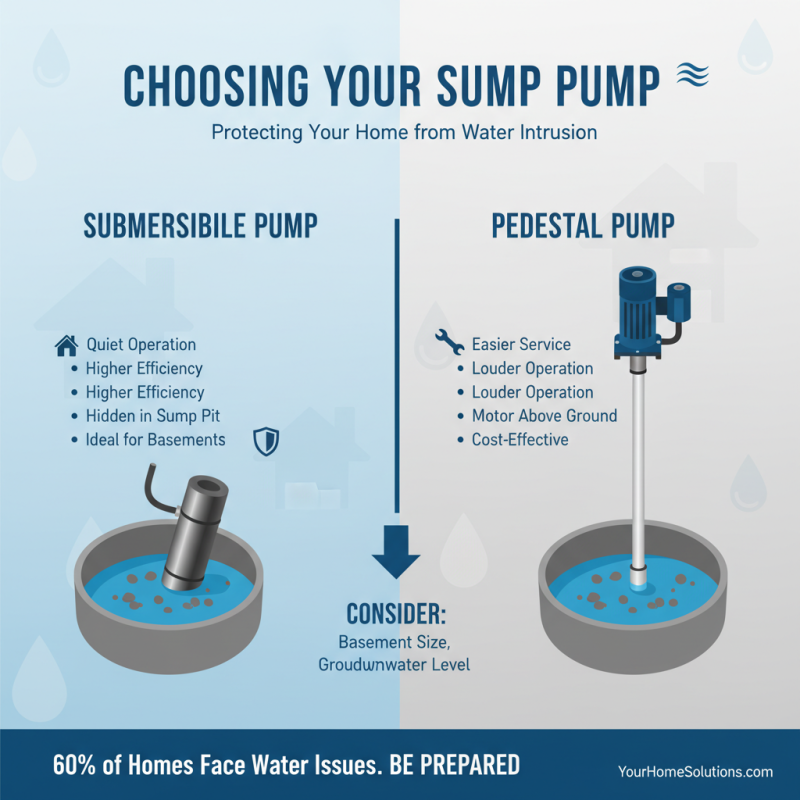
When selecting the right sump pump for your needs, understanding the specific requirements of your home and the local environment is crucial. According to a report by the American Society of Home Inspectors, approximately 60% of homes experience some form of water intrusion, making effective sump pump installation an essential defense against flooding and moisture-related issues. Depending on the size of your basement and the average groundwater levels, choosing between a submersible and pedestal sump pump will greatly impact performance. Submersible pumps tend to be more efficient and quieter, often ideal for residential settings, while pedestal pumps are easier to service due to their above-ground components.
Another important factor to consider is the pump's capacity and horsepower. The National Association of Home Builders recommends that homeowners evaluate their specific drainage needs and select a pump with a suitable flow rate, typically measured in gallons per minute (GPM). For homes in particularly flood-prone areas, a pump that can handle at least 30 GPM is advisable. Additionally, considering a pump's longevity and warranty can provide peace of mind; many quality sump pumps are designed to operate for over a decade with proper maintenance. By factoring these elements into your decision-making process, you can ensure that you choose a sump pump that effectively protects your home from unwanted water damage.
Step-by-Step Guide to Installing Your Sump Pump
When it comes to installing a sump pump, following a step-by-step guide can make the process straightforward and manageable. First, begin by selecting the correct location for your sump pump. Ideally, this should be in the lowest part of your basement or crawl space, where water tends to accumulate. Before you start digging, identify and mark the boundaries of the sump basin, ensuring that there is easy access to an electrical outlet for power.
Once the location is determined, dig a pit for the sump pump that is deep and wide enough to accommodate the basin. The next step involves placing the basin into the pit, ensuring that it sits level with the surrounding floor for optimal drainage. After positioning the basin, connect the sump pump according to the manufacturer’s instructions. This includes attaching the discharge pipe that will carry water away from your home. It’s vital to ensure that the discharge location is far enough from the foundation to prevent any water from flowing back toward the house.
After making the necessary connections, fill in the space around the sump basin with gravel to aid in proper drainage. Lastly, test your sump pump by pouring water into the basin to confirm it activates appropriately. This step is essential to ensure your system is functioning before heavy rainfall occurs. By adhering to these straightforward steps, homeowners can successfully install a sump pump that will efficiently manage water accumulation in their basements.
Average Sump Pump Installation Costs in 2025
This chart illustrates the average cost breakdown for sump pump installations in 2025, highlighting labor, materials, permitting, and miscellaneous costs. Understanding these costs can help homeowners budget effectively for their sump pump installation projects.
Common Mistakes to Avoid During Sump Pump Installation
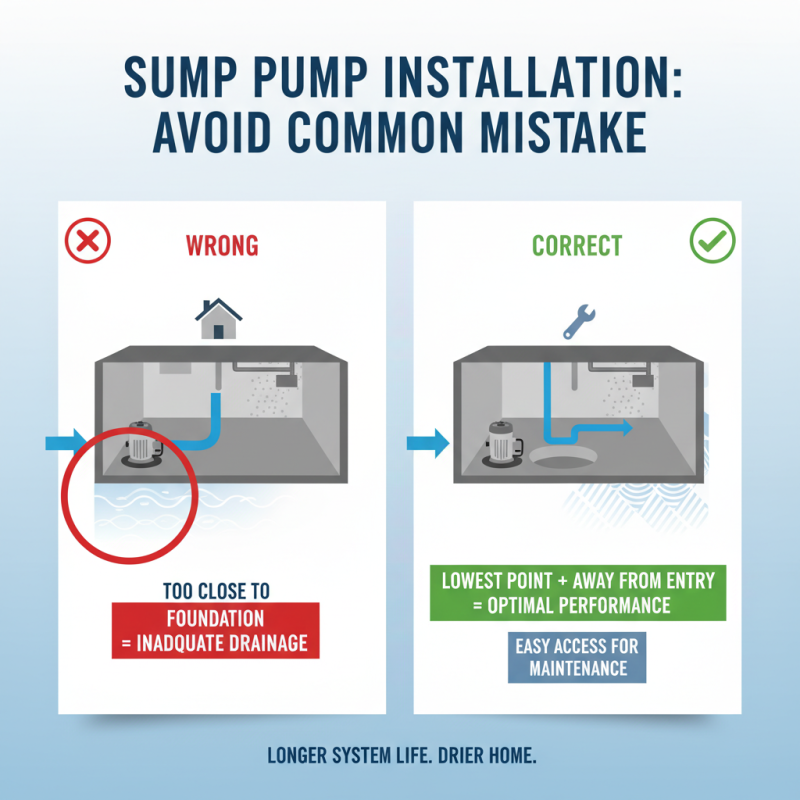
When installing a sump pump, avoiding common mistakes can make a significant difference in the effectiveness and longevity of the system. One frequently overlooked aspect is the pump's location. Installing the pump too close to the house foundation can result in inadequate drainage. Instead, it should be situated in the lowest part of the basement or crawl space, far enough from potential water entry points to ensure optimal performance while also being accessible for maintenance.
Another common mistake is neglecting proper drainage for discharge lines. Many homeowners fail to ensure that the discharge line slopes away from the house, which can lead to water pooling near the foundation and defeating the purpose of the pump. Additionally, using the right size pipes and securing them properly is essential to prevent clogs and leaks. Lastly, many installations overlook the importance of checking for local building codes and regulations; this could result in installation issues down the line, including fines or the need for costly adjustments. Attention to detail in these areas can enhance the effectiveness of your sump pump installation, ensuring it protects your space from flooding.
Maintenance Tips for a Long-Lasting Sump Pump System
When installing a sump pump, it's crucial to consider its maintenance to ensure a long-lasting and efficient system. Regular inspections are key; check the pump's components for wear and tear, ensuring that the float switch moves freely and the discharge line is clear. Blockages can prevent the pump from operating correctly, leading to potential flooding and damage. It's advisable to perform these checks every few months and especially before the rainy season begins.
Another important maintenance tip is to test the sump pump periodically. Pouring a bucket of water into the sump pit can help you verify that the pump activates and removes excess water as intended. Additionally, keeping the pump clean from debris allows for optimal function. Consider installing a sump pump cover to prevent dirt and pests from entering the sump basin. By following these simple maintenance practices, you can significantly extend the lifespan of your sump pump system and ensure it performs reliably when needed most.