Sump pumps play a vital role in protecting homes from flooding. Yet, sump pump failure can lead to severe water damage. Understanding the causes of these failures is essential for homeowners. Many factors contribute to sump pump malfunctions, from power outages to improper installation.
Regular maintenance is crucial in preventing issues. However, homeowners often neglect this aspect. A simple check can reveal signs of wear or damage. Ignoring these signs can lead to costly repairs. Additionally, understanding the environment around the sump pump is essential. Blockages from debris can also cause failures.
Learning to identify the top causes of sump pump failure can save you time and money. Implementing preventive measures will extend the lifespan of your pump. It is vital to stay informed and proactive in protecting your home from potential flooding. A reliable sump pump system can provide peace of mind when heavy rains strike.
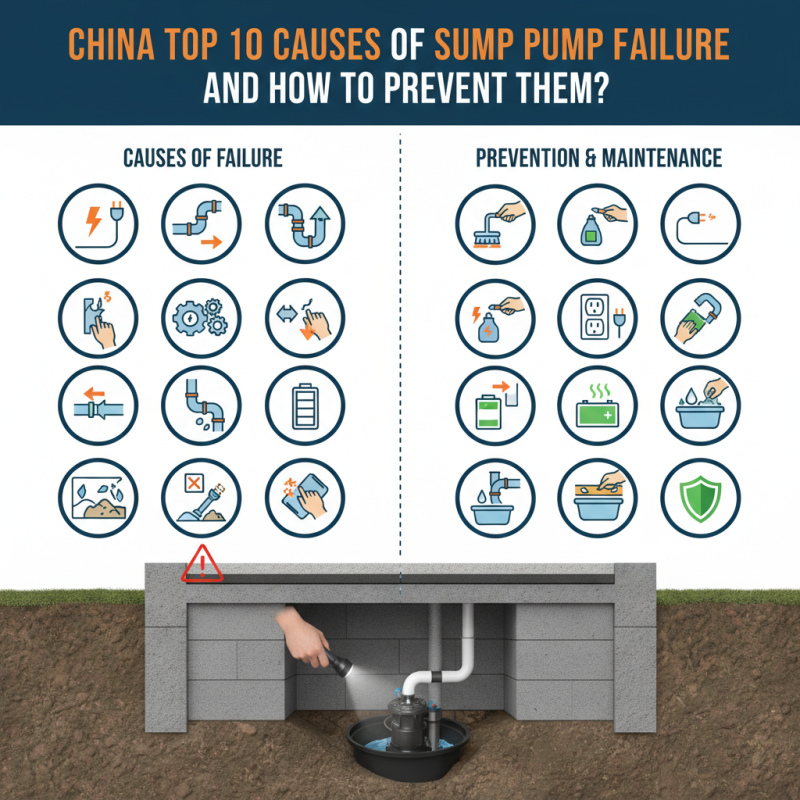
Sump pumps are critical in preventing water damage in homes. In China, many homeowners face common factors that lead to sump pump failures. One primary reason is
lack of maintenance. Many forget to check their sump pumps regularly. This oversight can lead to blockages and malfunctions when heavy rains occur.
Another issue often arises from improper installation. If the pump is not fitted correctly, it may not function efficiently. Homeowners should ensure that the discharge pipe is directed away from the foundation. This can prevent water from returning to the sump pit.
Tips: Regularly inspect and clean your sump pump. Check for debris in the sump pit. This can improve performance and prolong its lifespan. Consider installing a
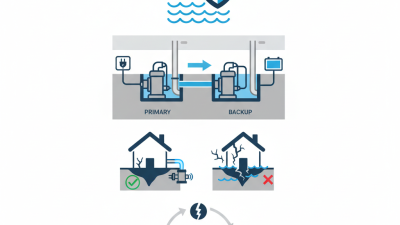
battery backup. This ensures the pump works during power outages, especially during storms.
Poor power supply can also be a factor. Heavy rain storms can often trip breakers. An emergency power supply can mitigate this issue. Maintaining a stable power source is crucial for pump reliability. Ensure wiring is up to code, and avoid overloading circuits. Regularly review these factors to effectively prevent sump pump failures.
Electrical issues are a common cause of sump pump failure. A faulty electrical connection can stop your pump at the worst possible time. Loose wires, corroded connections, or blown fuses need attention. Such problems disrupt the pump's effectiveness during heavy rains or floods. Regularly checking your electrical setup can prevent a sudden failure.
To ensure your sump pump runs smoothly, consider investing in a quality surge protector. This addition shields the pump from power surges. Often, homeowners overlook the importance of proper grounding. A well-grounded sump pump enhances safety and efficiency.
Additionally, don't forget to inspect your pump's power source frequently. Use a multimeter to test voltage levels. Low voltage can compromise performance.
Check for any signs of wear in the electrical parts often. Regular maintenance can significantly extend the life of your sump pump. Always prioritize safety and consult a professional for inspections.
| Cause of Failure | Description | Prevention Method |
|---|---|---|
| Electrical Issues | Power surges or outages that affect the pump's operation. | Install a battery backup system and surge protectors. |
| Blockages | Debris in the sump pit or discharge pipe preventing water flow. | Regularly inspect and clean the sump pit and pipes. |
| Pump Failures | Mechanical issues or wear and tear over time. | Schedule annual maintenance checks and replace old pumps. |
| Improper Installation | Incorrectly set-up pumps can lead to inefficiency. | Follow manufacturer’s guidelines for installation. |
| Frozen Discharge Lines | Frozen pipes can stop water from being discharged properly. | Insulate pipes and ensure proper drainage away from the home. |
| Float Switch Issues | Float switches can get stuck or malfunction. | Test float switches regularly and replace if faulty. |
| Insufficient Capacity | Pumps not powerful enough for the volume of water. | Choose a sump pump with an adequate horsepower rating. |
| Old Age | Older pumps may not function effectively. | Replace sump pumps every 7-10 years as a preventive measure. |
| Corrosion | Metal parts can corrode and fail over time. | Use pumps made from corrosion-resistant materials. |
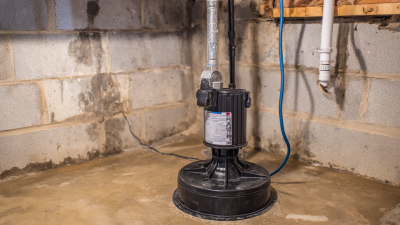
Clogged components are a common source of sump pump failure. A simple accumulation of debris can lead to serious problems. Regular maintenance is essential. Clear any leaves, dirt, or other materials that may obstruct the pump. A clean intake screen is vital for optimal performance. Checking and cleaning these components should be part of your routine.
It’s not just about cleaning; monitoring is also key. Listen for unusual noises from your sump pump. If it’s struggling or making strange sounds, investigate immediately. Sometimes, what seems like a minor issue can escalate into a costly repair. Create a schedule for routine inspections. Consider using a wet-dry vacuum to clear stubborn clogs.
Using a fine mesh filter can prevent larger items from getting inside. Yet, take care to clean this filter regularly. An ignored filter can be as harmful as no filter at all. Remember, the goal is to keep everything flowing smoothly. Even small neglects can lead to bigger headaches. Stay proactive to ensure your sump pump operates effectively.
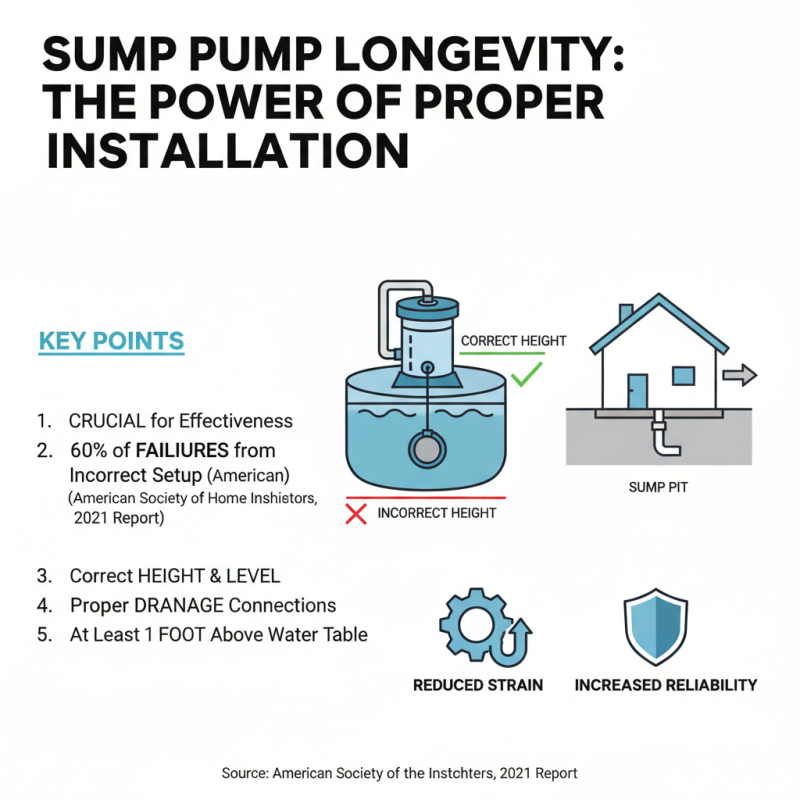
Proper installation of a sump pump is crucial for its longevity and effectiveness. According to a 2021 report by the American Society of Home Inspectors, about 60% of sump pump failures stem from incorrect installation. Ensuring that the pump is positioned at the right height and level, as well as properly connected to drainage systems, can significantly reduce common issues. Professionals recommend a minimum of one foot above the water table to prevent unnecessary strain on the unit.
Regular maintenance is equally important. A report from the National Association of Home Builders indicates that homeowners should inspect their sump pumps at least twice a year. This includes checking the float switch, power supply, and discharge lines. Many users neglect this, leading to unexpected failures. Interestingly, installing a backup battery system can provide peace of mind, ensuring that the pump operates during power outages.
Even with proper installation, factors like heavy rainfall can overwhelm systems. Awareness of local weather patterns is key. Some homeowners might overlook their sump pump's capacity, not realizing it needs to be tailored to specific environmental conditions. Ignoring these aspects can lead to costly damages, reminding us that vigilance is just as important as installation.
Seasonal changes and environmental factors play significant roles in the performance of sump pumps. According to industry reports, around 40% of pump failures are linked to external conditions. For instance, heavy rain can lead to submergence, while freezing temperatures can damage components. Waterlogged soil adds pressure to sump systems, increasing the likelihood of malfunction.
Moreover, debris accumulation is a common issue during stormy seasons. Pump inlets can become clogged, reducing efficiency. Protecting pumps with screening can help mitigate this. Incorporating a routine maintenance schedule is crucial. Regular inspections can identify potential vulnerabilities early, reducing repair costs and ensuring reliability. Specific data reveals that maintaining sump pumps can extend their lifespan by up to 30%.
Vibration and noise levels often indicate underlying problems. These symptoms shouldn't be ignored; they might signify wear or misalignment. Environmental factors need careful consideration. A sump pump in a temperate climate will have different challenges compared to one in a humid area. Understanding these elements is essential for ensuring optimal performance and prolonging pump longevity.