Understanding the intricacies of sump pits is crucial for homeowners. Often overlooked, these essential components can lead to significant water damage if not properly maintained. According to the American Society of Home Inspectors, nearly 60% of homes in the United States experience some form of water intrusion. Sump pits play a vital role in preventing such issues.
The failure of a sump pit can result in costly repairs and substantial stress. Many users underestimate the importance of regular inspections. In fact, a report by the National Association of Realtors indicates that homes with functioning sump pits sell for an average of 10% more than those without. Homeowners must recognize the common problems associated with sump pits, including poor installation and maintenance neglect.
It's essential to approach sump pit management with diligence. By being aware of potential issues, homeowners can mitigate risks. For instance, a clogged pump can lead to water accumulation, creating a hazardous situation. Understanding these factors empowers homeowners, enabling them to make informed decisions about sump pit care.
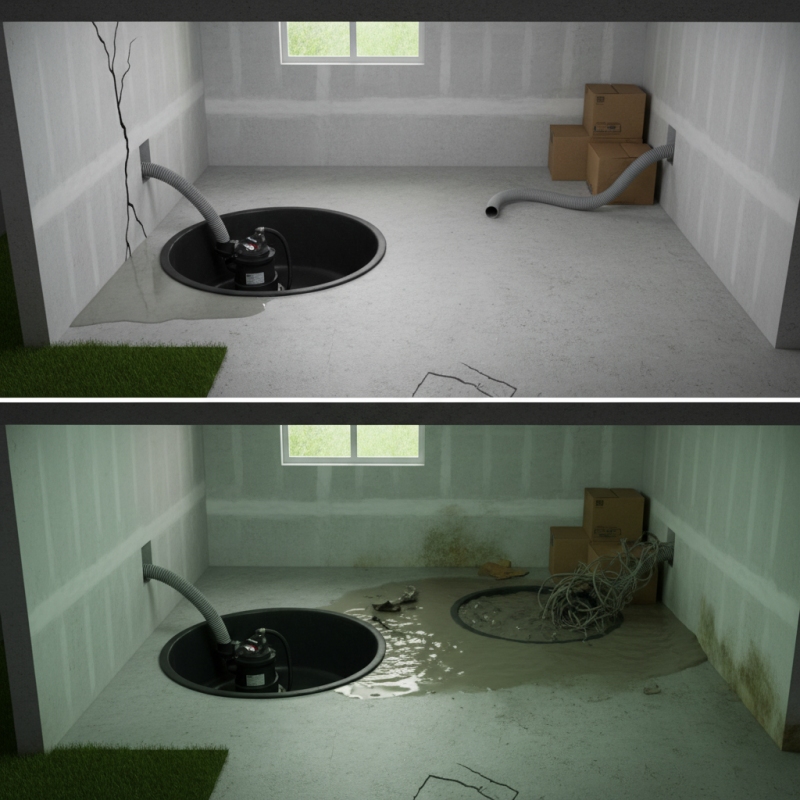
Sump pits are crucial for managing water in basements. However, they often face issues that homeowners overlook. One common cause of sump pit failures is clogging. Sediment and debris can build up, obstructing the pump. Regular maintenance helps, but many forget this step. Neglecting it leads to overflow and water damage.
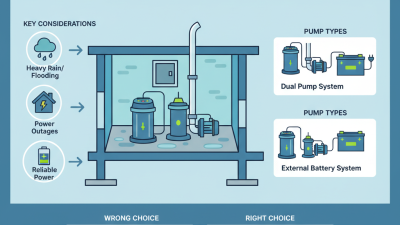
Another frequent problem is power failure. Heavy rains can overwhelm electrical systems. Homeowners must ensure their sump pump has a backup power source. A battery backup can be a lifesaver during storms. It's an investment that pays off by preventing costly repairs.
Lastly, improper installation can cause chronic issues. If pipes are not angled correctly, water will not drain efficiently. Make sure to consult professionals for proper installation. DIY attempts can lead to more significant headaches later. Being aware of these common issues can save you from future troubles.
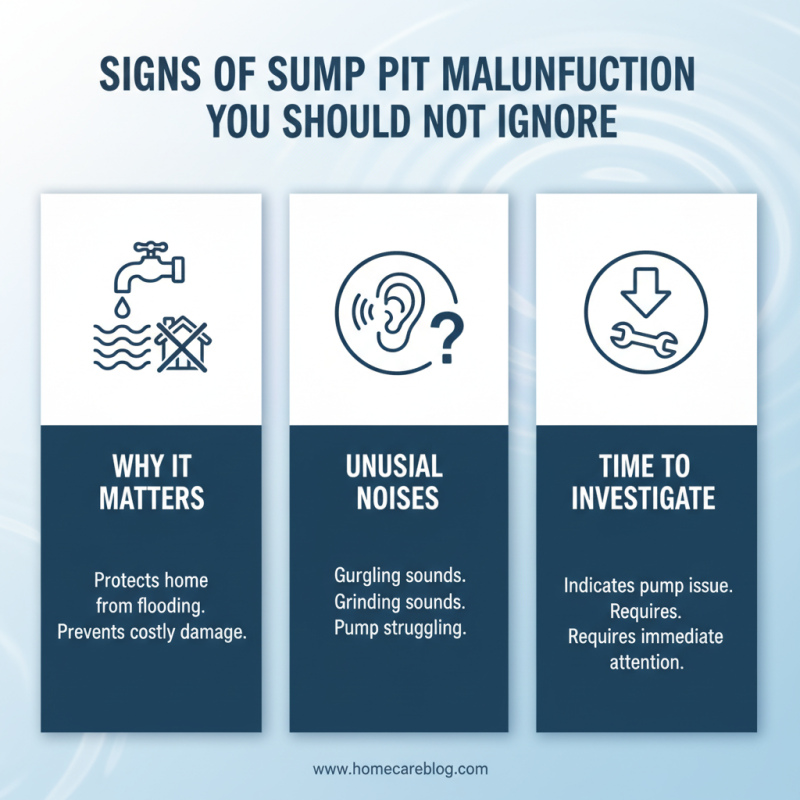
Sump pits play a crucial role in managing groundwater and protecting your home from flooding. However, they can experience malfunctions that demand your attention. Ignoring warning signs can lead to costly repairs and potential damage. If you notice unusual noises, it’s time to investigate. Gurgling or grinding sounds may indicate a malfunctioning pump.
Water levels in the pit are another key indicator. If the water rises higher than normal, something is wrong. This could lead to overflow or inadequate drainage. You may also see rust or corrosion on the pump. This could hinder the pump's effectiveness.
Tips: Regular maintenance is essential. Check your sump pit every few months. Ensure the pump is clean and free of debris. Consider installing a battery backup to avoid power failures during storms. Being proactive can save you from significant headaches down the road. Remember, your sump pit should function smoothly to protect your home. Any sign of trouble should prompt immediate action. Stay informed and keep your sump pit in check.
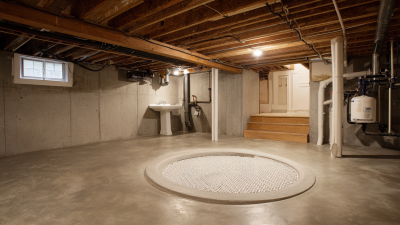
A sump pit is crucial for managing water in basements. However, maintaining it can be tricky. Neglect can lead to costly problems. Regular inspections are necessary. Look for signs of clogs or leaks. These can escalate quickly if not addressed.
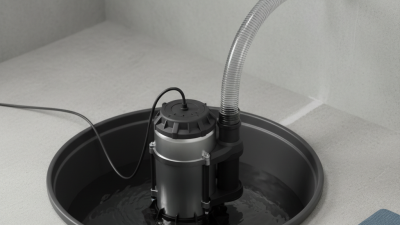
Cleaning the sump pit regularly is essential. Remove debris and check the pump's operation. A backup pump offers peace of mind. Ensure the discharge line is clear. Frozen pipes can cause issues during winter months. Monitor these areas closely.
Create a maintenance checklist. This can guide you in timely inspections. Document any changes in pump performance. It helps in identifying trends. Over time, wear and tear are inevitable. Early detection can save time and money. Engaging a professional for complicated issues ensures reliability. With keen awareness, your sump pit can remain a healthy part of your home.
Cleaning and maintaining your sump pit is crucial for preventing water damage in your home. A survey from the Basement Health Association indicates that 60% of homeowners experienced water problems due to poor sump pit maintenance. Regular cleaning can help identify issues early. First, remove any debris. This includes dirt, leaves, and other obstructions. A clean pit prevents clogs that could lead to pump failure.
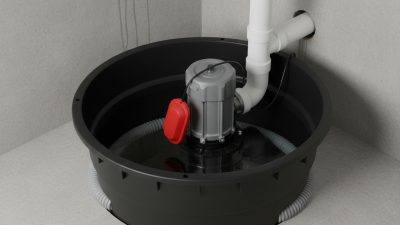
Next, inspect the sump pump itself. Ensure it’s working efficiently. The average lifespan of a sump pump is around 5 to 7 years. An annual inspection can extend this life. Check for any signs of wear or damage. A simple test involves pouring a bucket of water into the pit. The pump should activate quickly.
Finally, consider the discharge line. Keep it clear to allow water to flow freely. A blocked line can cause water to back up, damaging your home. In fact, a study showed that homes with neglected sump pits face a 30% higher risk of flooding. Regular maintenance not only protects your home but also saves you money in the long run.
| Issue | Description | Symptoms | Maintenance Tips |
|---|---|---|---|
| Clogged Drainage | Debris blocking water flow. | Slow water removal, backups. | Regularly check and clear any obstructions. |
| Pump Failure | Pump not functioning properly. | Water pooling, strange noises. | Test pump monthly, replace worn parts. |
| Improper Installation | Sump pit not installed correctly. | Leaking, reduced efficiency. | Hire a professional for proper setup. |
| Battery Backup Issues | Backup system malfunction. | Failure during power outages. | Maintain battery regularly, test functionality. |
| Moisture or Mold | Presence of dampness or mold. | Unpleasant odor, visible mold growth. | Ensure proper ventilation, clean mold immediately. |
| Inadequate Sump Size | Sump pit too small for volume. | Frequent overflow, unable to handle water. | Consider upgrading to a larger pit. |
| Poor Maintenance | Neglecting regular upkeep. | Delayed pumping, accumulation of debris. | Set a routine maintenance schedule. |
| Frozen Discharge Line | Line freezes in cold weather. | Water cannot drain properly. | Insulate discharge lines, check in winter. |
| Electrical Issues | Problems with electrical components. | Pump not turning on, tripped circuit. | Inspect wiring regularly, ensure grounding. |
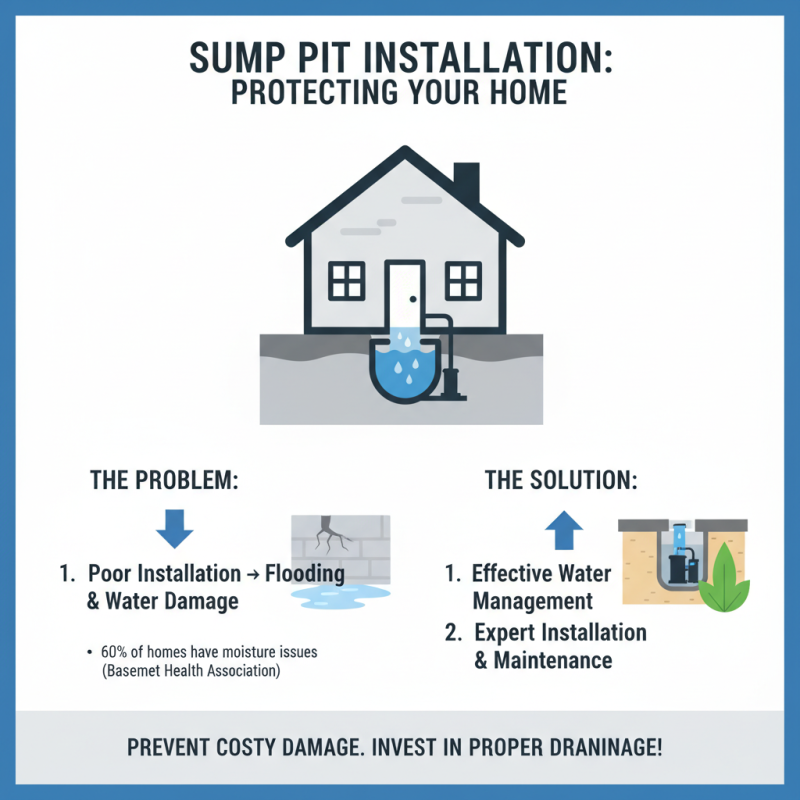
Proper sump pit installation is crucial for effective water management in residential properties. A poorly installed system can lead to significant issues, including flooding and water damage. According to the Basement Health Association, approximately 60% of homes experience moisture problems due to inadequate drainage systems. This emphasizes the need for expert installation and regular maintenance.
**Tip**: Ensure the sump pit is positioned below the water table. This helps capture water effectively, reducing the chance of overflow during heavy rains.
Common issues arise from improper sizing of the sump pit. A pit that is too small may not handle rainwater effectively. Data from the American Society of Home Inspectors shows that over half of basements have inappropriate sump pit dimensions. Homeowners must prioritize choosing the right pit size based on their property’s needs.
**Tip**: Regular maintenance checks are essential. This includes clearing debris and testing the pump to ensure it functions properly.
The choice of materials also impacts the longevity and reliability of the sump pit system. Many homeowners overlook the quality of materials, which can lead to early system failures. Statistics indicate that a significant percentage of homeowners neglect this, resulting in costly repairs.