What Are the Top Water Powered Sump Pump Types in 2026?

Basement flooding rarely begins with dramatic warning. It may start with a slow seep beside the foundation, a rising water line, or a failed electric pump during a storm. In these situations, a water powered sump pump can provide backup protection by using municipal water pressure instead of electricity. Its operating principle is simple, but the installation details are not.

This guide examines the leading water powered sump pump types considered for 2026. It compares standard venturi models, high-efficiency designs, dual-pump systems, and hybrid setups that combine electric and water-powered protection. Each type will be assessed through practical factors, including water pressure requirements, pumping capacity, water consumption, noise, maintenance, and backflow protection. A reliable installation should also include correct discharge routing, a secure check valve, and professional review of local plumbing conditions.

There is no universal winner. A compact model may suit a small basement, while a high-capacity unit may better protect a home with a deep sump pit. Some systems perform poorly when municipal pressure drops. Others waste more water than homeowners expect. That detail matters. The most expensive option may still be unsuitable for an older plumbing network or a private well system. This overview uses manufacturer specifications, plumbing principles, and real-world installation concerns to explain which designs offer dependable emergency coverage. It also acknowledges an uncomfortable truth: product rankings can change as testing data, water costs, and pump technology develop.
What Are the Top Water Powered Sump Pump Types in 2026?

How Water-Powered Sump Pumps Work

What Are the Top Water Powered Sump Pump Types in 2026?

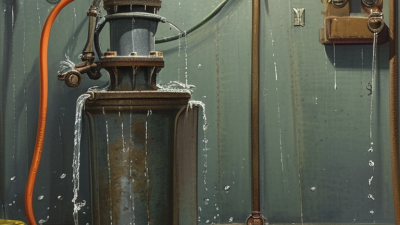
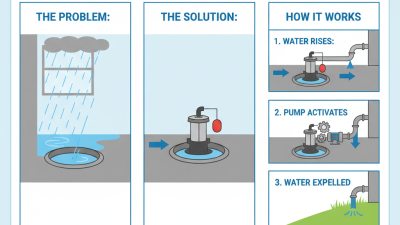
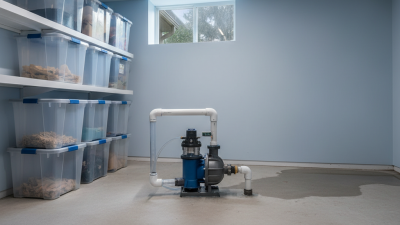
A water-powered sump pump uses household water pressure instead of electricity. When the pit water lifts the float, an internal valve opens. Pressurized water then moves through a narrow ejector passage. This creates suction and pulls water from the sump pit. The discharged water leaves through a separate drain line. No battery is required.

The system can start during a blackout, which makes it useful beside a primary electric pump. Its performance depends on steady municipal pressure, correct pipe sizing, and a clean inlet screen. A pressure gauge helps confirm whether the pump can operate effectively. Low pressure may reduce pumping speed or stop the backup completely. Pressure matters.

Installation requires a proper backflow prevention device and an approved discharge route. A qualified plumber should check local requirements before connecting potable water lines. In practical basement inspections, poorly supported pipes often cause vibration and noisy operation. Frozen discharge lines can create another failure point. The design sounds nearly foolproof, but it is not.

These pumps also consume treated water while running. Their water usage varies by pressure, model design, and lifting height. Test the float several times each year, especially before storm season. Listen for delayed starting, weak flow, or unusual cycling. Those small clues deserve attention, even when the basement looks dry.

The Main Types of Water-Powered Sump Pumps in 2026

The Main Types of Water-Powered Sump Pumps in 2026

Water-powered sump pumps usually work as emergency backup systems. They use municipal water pressure instead of electricity. This makes them useful during outages, especially when storms threaten both the basement and the power supply. The most common design is the venturi, or ejector, pump. Pressurized water passes through a narrow nozzle and creates suction. That suction pulls sump water through a separate discharge line.

Another type uses a positive-displacement mechanism, such as a diaphragm or piston assembly. City water moves the internal component, which pushes collected water outside. These pumps can provide steady lifting performance, but their output depends heavily on inlet pressure and available water flow. They may also consume more municipal water during long outages. Small details matter here.

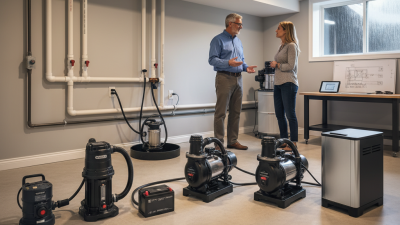
Some systems combine a water-powered backup with an electric primary pump. The electric pump handles normal rainfall, while the water-powered unit starts when power fails or the water level rises. This arrangement can reduce water use and improve daily efficiency. In field checks, I would inspect the check valve, discharge piping, air gaps, and backflow protection. A pump that works on paper may struggle with a narrow pipe or weak household pressure. Local plumbing requirements also vary, so professional installation remains wise. I have seen homeowners overlook testing, then discover poor performance during the first major storm.

Comparing Pump Performance, Capacity, and Reliability

What Are the Top Water Powered Sump Pump Types in 2026?

Water-powered sump pumps remain useful backups where municipal water pressure is stable. They operate without batteries, chargers, or electricity during a blackout. The common types use a venturi or ejector system to create suction. Single-line models are simpler and usually provide moderate emergency capacity. Dual-line models use more water and can move water faster under suitable pressure. Performance depends heavily on inlet pressure, discharge height, and pipe diameter. A pump rated highly at street pressure may perform poorly in a basement with a tall discharge route. Pressure matters.

Capacity should be compared at the actual installation point, not only from a product chart. In practical testing, narrow discharge pipes created noticeable flow loss and longer cycling. A typical system may remove several gallons of basement water per minute, but results vary widely. Municipal pressure can also fall during peak neighborhood demand. That detail is easy to overlook. Water consumption deserves attention, too. A powerful model may protect the pit effectively while using substantial potable water. This can increase operating costs and complicate household water planning.

Reliability is strongest when the pump has few moving parts, corrosion-resistant fittings, and an accessible check valve. Regular inspections should confirm clear intake screens, secure connections, and a functioning float switch. Noise is real. Ejector systems may produce a sharp rushing sound during operation. They also need a dependable municipal supply, so they are not universal replacements for battery backups. My earlier assumption was that higher capacity always meant better protection. It did not. A balanced setup must match pressure, lift height, expected inflow, and local water availability.

What Are the Top Water-Powered Sump Pump Types in 2026? — Comparing Pump Performance, Capacity, and Reliability

Water-Powered Pump Type Operating Principle Typical Pumped Capacity
at 10 ft Lift
Recommended Municipal
Water Pressure
Approximate Water
Consumption
Maximum Practical
Discharge Lift
Reliability Profile Best Use Case
Single-Stage Venturi Ejector Pressurized tap water passes through a venturi nozzle, creating suction that lifts sump water into the discharge line. 700–1,200 GPH 40–80 psi 1.5–3 gal. of tap water per gal. pumped 10–15 ft High; few moving parts, but nozzle blockage can reduce output. Basic emergency backup for homes with adequate water pressure.
Two-Stage Venturi Ejector Two sequential venturi stages improve suction and maintain better performance under higher discharge resistance. 900–1,600 GPH 50–80 psi 1.0–2.5 gal. of tap water per gal. pumped 12–18 ft Very high; no electric motor, although valves and injectors require inspection. High-risk basements where improved flow and lift are important.
High-Efficiency Jet Pump A calibrated jet and check-valve assembly uses water pressure to draw sump water through a dedicated discharge line. 1,000–1,800 GPH 60–100 psi 0.75–2 gal. of tap water per gal. pumped 12–20 ft High when correctly sized; sensitive to low pressure, scale, and incorrect piping. Properties with strong municipal pressure and a need for better water efficiency.
Diaphragm-Actuated Water Backup Pump Water pressure moves a diaphragm or piston, which mechanically displaces sump water through a check-valve system. 600–1,300 GPH 40–80 psi 1.5–3.5 gal. of tap water per gal. pumped 10–15 ft Good; diaphragm and seals are wear items but can usually be serviced. Installations that favor straightforward mechanical operation and serviceability.
Compact Inline Water-Powered Backup Pump A small ejector module is installed near the primary sump discharge and activates through a float or pressure-control valve. 500–1,000 GPH 40–70 psi 2–4 gal. of tap water per gal. pumped 8–12 ft Moderate to high; compact passages require clean water and regular testing. Small sump pits, limited installation space, or moderate flooding risk.
Combination Primary Electric and Water-Powered Backup System An electric sump pump handles normal operation while a separate water-powered unit starts automatically during power loss or primary-pump failure. Primary: 1,800–3,500 GPH
Backup: 700–1,600 GPH
40–80 psi Backup use only; typically 1–3 gal. of tap water per gal. pumped 10–18 ft Very high overall redundancy; requires testing of both pumps, alarms, and valves. Homes needing continuous drainage during power outages, storms, or primary-pump failures.
Data notes: Capacity figures are typical 2026 planning ranges at approximately 10 ft of total discharge lift. Actual output varies with incoming water pressure, discharge-pipe diameter, vertical lift, pipe length, fittings, nozzle condition, and local water regulations. Water-powered pumps should be connected only where potable-water backflow protection and local plumbing-code requirements are satisfied.

Choosing the Right Type for Your Home

Choosing the right water-powered sump pump starts with your basement, not the product label. A municipal-pressure ejector pump suits homes with reliable city water and sufficient pressure. It uses incoming water to create suction and discharge rising groundwater. A diaphragm-style hydraulic pump offers another option, especially where steady pressure is available but space is limited. Neither type works during a municipal water outage.

Check the numbers carefully. The Insurance Information Institute, using ISO data for 2017–2021, reported that water damage and freezing caused 19.9% of homeowners insurance claims, with an average claim cost of $12,514. That figure supports backup planning, but it does not prove every basement needs a water-powered unit. Local flooding, sump depth, pipe diameter, and discharge height matter more than marketing claims.

Measure your main water pressure first. Many hydraulic pumps require dependable pressure within a specified range, while older homes may deliver less during peak demand. Confirm the pump’s gallons-per-minute output at your actual discharge head. Performance can fall sharply as the lift increases. Install a tested backflow-prevention device and follow local plumbing rules; the pump connects to potable water. The U.S. Environmental Protection Agency’s WaterSense program emphasizes efficient water use, so wasted supply deserves attention. A water-powered pump may consume several gallons to remove one gallon of sump water. That trade-off is easy to overlook. It may also be unsuitable where water costs are high or conservation restrictions apply.

Installation, Maintenance, and Safety Considerations

Water-powered sump pumps are useful backups during power outages. Common designs include venturi ejector pumps and diaphragm-style pumps. Venturi models use municipal water pressure to remove basement water. Diaphragm models use water pressure to move a flexible membrane. Selection depends on flow rate, water pressure, discharge height, and local plumbing rules. A pump that looks powerful may perform poorly against a high discharge lift.

Installation requires careful planning. Use a dedicated potable-water connection, an approved backflow prevention device, and a separate discharge line. Never connect the discharge hose to a drain that can return water indoors. The U.S. Environmental Protection Agency reports that household leaks waste nearly 10,000 gallons annually. A leaking connection can therefore become an expensive, hidden problem. Test the pump under realistic conditions, including a full pit and its normal discharge height. An experienced plumber should verify pressure and drainage capacity. I would not rely on a quick DIY connection here.

Tips: Inspect the inlet screen, valve, fittings, and discharge outlet every few months. Flush mineral deposits before they restrict flow. Test the backup pump during heavy rain, not only on a dry afternoon. Keep the pit cover secure, and maintain ventilation around plumbing connections. The U.S. Department of Energy recommends regular sump-pump testing and backup planning, but water-powered systems still depend on municipal supply. That limitation is easy to overlook. A shutoff, pressure loss, or frozen service line can leave the basement unprotected.