Top 10 Water Pressure Pumps for Your Home and Garden Needs?
In today’s world, managing water pressure efficiently is crucial for both homes and gardens. According to a recent report by the International Water Association, inadequate water pressure can lead to issues in irrigation and household systems. A reliable water pressure pump can be a game-changer, especially for those with larger properties depending on consistent water flow.
Consider that nearly 30% of households experience fluctuations in water pressure. This can affect everything from shower performance to garden irrigation efficiency. The right water pressure pump not only enhances daily living but also supports sustainable gardening practices. Investing in a high-quality pump can yield significant cost savings on water bills in the long run.
However, choosing the ideal water pressure pump requires careful consideration. Factors such as pump capacity, energy efficiency, and specific usage scenarios play a vital role. While there are many options available, the challenge lies in identifying pumps that deliver both performance and durability. An informed decision ensures that your water pressure needs are met without constant replacements or repairs.
Top Considerations for Choosing Water Pressure Pumps for Home Use
When choosing a water pressure pump for your home or garden, there are key factors to keep in mind. A report from the American Society of Plumbing Engineers indicates that the ideal pressure for residential use is typically between 40 and 60 PSI. This range provides a balance that meets most garden and household needs.
Flow rate is another consideration. Look for pumps with a flow rate adequate for your requirements. For example, if you plan to run multiple sprinklers, you’ll need a pump capable of handling higher flows.
Tips: Always assess your water sources. Check the available flow rate to ensure your pump choice is suitable.
Another important aspect is the pump's durability. Homeowners should consider materials like stainless steel for longevity. A pump might last years but could fail sooner due to poor material choices.
Tips: Don’t overlook customer reviews. They often highlight issues you might not consider.
Ultimately, measuring your needs against the pump's capabilities is crucial. Aim for a balance between performance and efficiency. A mismatch can lead to unsatisfactory results, causing frustration and waste.
Understanding Different Types of Water Pressure Pumps and Their Applications
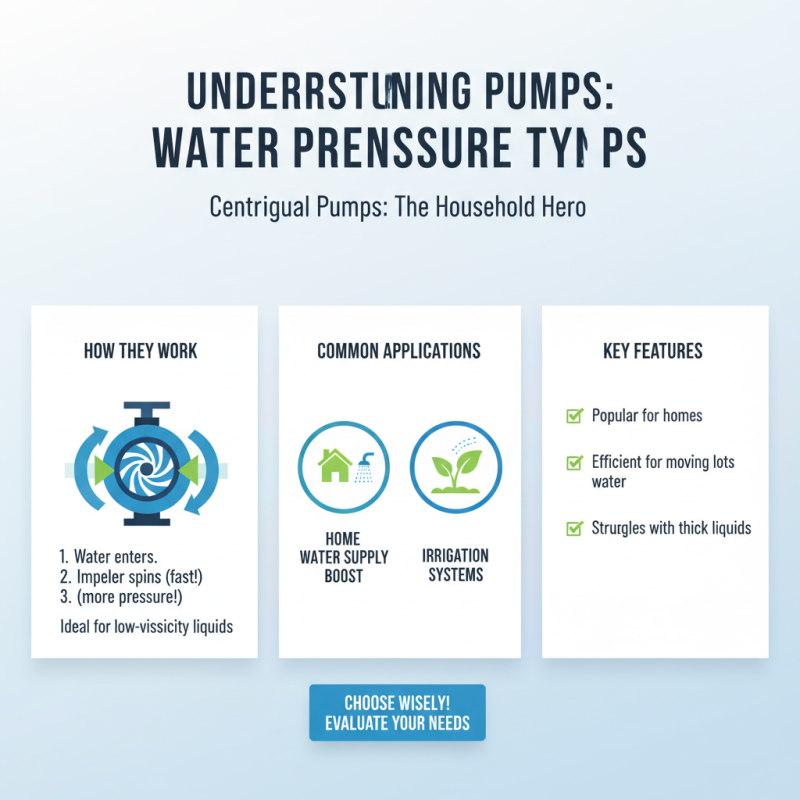
When considering water pressure pumps, it's vital to understand their types and uses. Centrifugal pumps are common in homes. They work by moving water through an impeller. This design is effective for irrigation and boosting household water supply. However, they may struggle with high-viscosity liquids. Always evaluate your needs before choosing.
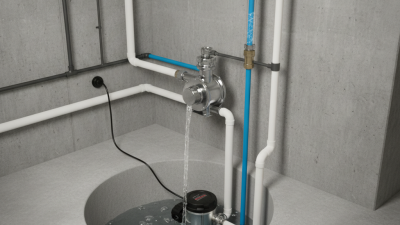
Submersible pumps are another option. These pumps work underwater and are perfect for deep wells. They provide consistent pressure for garden irrigation and household use. Yet, they can be complicated to install. It’s important to consult guidelines for safe installation and operation.
Diaphragm pumps offer another approach. They excel at moving water with debris and can handle various liquids. However, they may not be ideal for all applications. Consider their limitations based on the liquid types you'll encounter. Overall, understanding these types and their applications will help you select the right pump for your needs.
Key Features to Look for in a High-Quality Water Pressure Pump
When selecting a water pressure pump for home and garden needs, certain key features stand out. Flow rate is crucial; a pump should deliver adequate pressure for tasks like watering gardens or filling tanks. According to industry reports, a flow rate of 3 to 5 gallons per minute is often recommended for most residential applications.
Additionally, attention to horsepower is vital. A good range is between 1 to 2 HP, ensuring efficient performance without excessive power consumption.
Durability is another important factor. Look for pumps made from materials like stainless steel or corrosion-resistant plastics. These materials significantly extend the pump's lifespan, reducing the need for replacements. It's noted that pumps with a robust design can last up to 10 years with proper maintenance. Noise level also matters; quieter pumps often provide a more pleasant experience when used around the home.
Energy efficiency is essential, especially as utility costs rise. An efficient pump can reduce electricity bills significantly. Many users report savings of 20% or more when switching to energy-efficient models. Lastly, considering the availability of replacement parts is crucial. Some less reputable pumps might save money upfront but become costly over time due to part shortages or incompatibilities. Balancing cost, quality, and efficiency will guide better purchasing decisions.
Comparative Analysis of Flow Rates: How Much Pressure Do You Need?
In your search for the right water pressure pump, understanding flow rates is crucial. Flow rate measures how much water a pump delivers over time. It’s often expressed in gallons per minute (GPM). A pump with higher GPM can support more extensive tasks, like irrigation or filling a pool. If you have a large garden or a multi-bathroom home, consider a pump that offers at least 10 GPM.
Different needs require different pressure levels. For instance, watering plants may need lower pressure compared to washing your car. A pressure between 40 to 60 psi is usually sufficient for garden tasks. However, if your home has multiple outlets running simultaneously, demand can skyrocket. It’s easy to underestimate your requirements. You might find your pump underperforming when filling two buckets at once, leaving one half-full. Reflect on your habits and usage patterns to choose wisely.
Maintenance Tips to Extend the Life of Your Water Pressure Pump
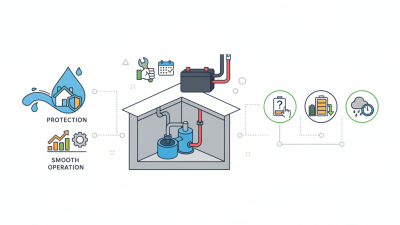
Maintaining your water pressure pump is essential for its longevity. Regular checks keep it running smoothly. Start by inspecting the power supply. Ensure connections are secure and free of corrosion. A loose wire can cause malfunctions. Don't overlook the filter. Clean it often to prevent clogs. This simple step helps maintain water flow.
It's important to listen to your pump. Strange noises might indicate an issue. Perhaps it’s struggling or losing pressure. Address these signs quickly. Check for leaks, too. A small drip can turn into a bigger problem if ignored. Make it a habit to inspect hoses and fittings regularly.
Don't forget the weather. Extreme temperatures can affect your pump. Insulate it during winter months. If your pump has been idle, run it for a few minutes. This ensures everything is working before heavy use. Remember, neglecting basic maintenance can lead to costly repairs later.
Top 10 Water Pressure Pumps for Your Home and Garden Needs
| Pump Model |
Pressure Output (PSI) |
Flow Rate (GPM) |
Power (HP) |
Weight (lbs) |
Price Range ($) |
| Model A |
60 |
5 |
1.5 |
30 |
150-200 |
| Model B |
70 |
4 |
1.0 |
28 |
100-150 |
| Model C |
50 |
6 |
1.5 |
32 |
120-180 |
| Model D |
80 |
3 |
1.0 |
25 |
90-130 |
| Model E |
75 |
4.5 |
1.5 |
29 |
130-170 |
| Model F |
65 |
5.5 |
1.2 |
27 |
110-150 |
| Model G |
55 |
3.5 |
0.75 |
20 |
70-100 |
| Model H |
90 |
6.5 |
2.0 |
34 |
200-250 |
| Model I |
45 |
2.5 |
0.5 |
18 |
50-80 |
| Model J |
85 |
7 |
1.8 |
33 |
180-230 |