The Ultimate Guide to Water Powered Sump Pumps for Flood Prevention

In an era where climate change leads to unpredictable weather patterns, flood prevention has become a top priority for homeowners. One effective solution gaining traction in flood-prone areas is the water powered sump pump. According to John Smith, a renowned expert in the field of water management, “Water powered sump pumps offer a reliable, eco-friendly alternative for homeowners looking to protect their property from flood damage.”

These pumps utilize the power of running water, making them an ideal choice for those who want to ensure their basements remain dry without relying on electricity. Unlike traditional electric sump pumps, water powered models are less susceptible to power outages during severe weather, providing peace of mind during storms. This guide will delve into the advantages of water powered sump pumps, offering insights into their functionality, installation, and maintenance to equip homeowners with the necessary knowledge to make informed decisions for flood prevention.
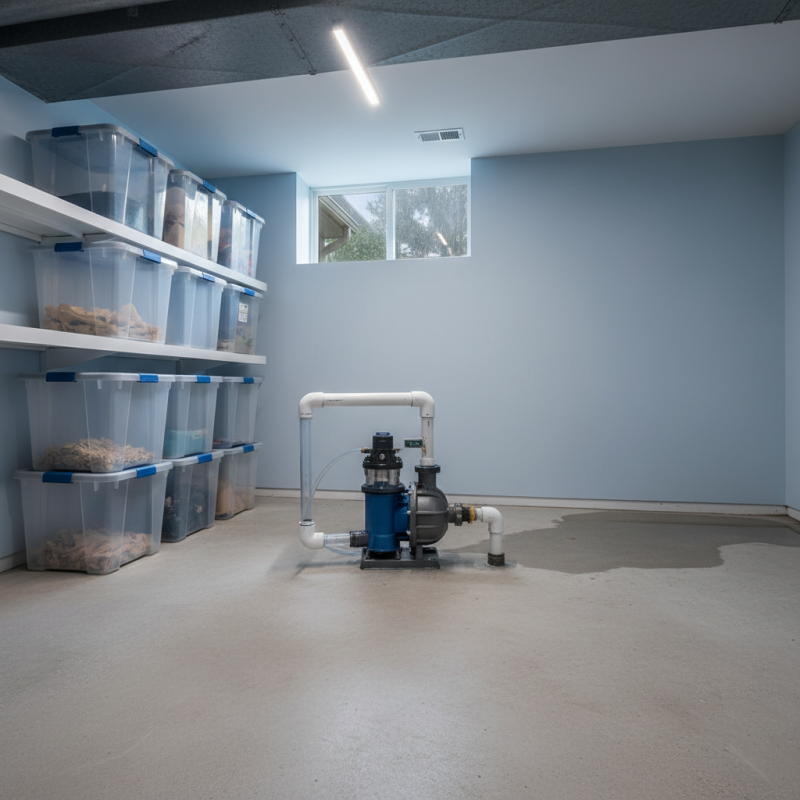
The Ultimate Guide to Water Powered Sump Pumps for Flood Prevention

Understanding Water Powered Sump Pumps: How They Operate and Benefits

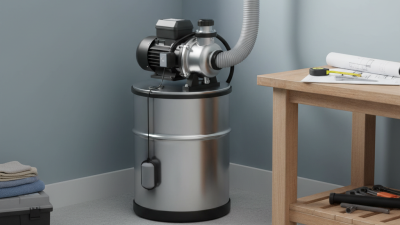
Water powered sump pumps are innovative devices designed to mitigate flooding risks by utilizing the existing water supply for pumping out water from basements or crawl spaces. These pumps operate on a simple principle: they harness the energy from flowing water to create a suction effect that draws water away from the area in need. Unlike traditional electric sump pumps, which rely on electricity to function, water powered pumps can operate independently during power outages, offering a reliable solution for homeowners in flood-prone areas.

The primary benefits of water powered sump pumps lie in their efficiency and eco-friendliness. Since they use pressurized water to operate, they eliminate the need for electricity, reducing energy costs and environmental impact. Additionally, these pumps are typically easy to install and maintain, making them accessible for many homeowners.

With a few minor adjustments to the plumbing system, a water powered sump pump can be integrated seamlessly into existing setups after initial installation. Their ability to act as a dependable backup during extreme weather events makes them an essential component of any comprehensive flood prevention strategy.
Key Features and Advantages of Water Powered Sump Pumps for Homeowners

Water powered sump pumps offer a reliable and efficient solution for homeowners looking to prevent flooding in their basements and crawl spaces. One of the key features of these systems is that they utilize the energy from running water, typically from a municipal water supply, to operate. This means they do not require electricity, making them an excellent choice for emergencies, especially during power outages that can occur during severe weather conditions. Homeowners can have peace of mind knowing that their sump pump will function when it is needed most.

Another significant advantage of water powered sump pumps is their low maintenance requirement. Unlike battery-powered or electric sump pumps, which need regular monitoring and battery replacements, water powered models operate on a simple mechanism that provides long-lasting functionality without the risk of battery failure. Additionally, these systems are environmentally friendly, as they rely on renewable water resources rather than fossil fuels. For homeowners concerned about both functionality and sustainability, water powered sump pumps present a smart choice in flood prevention strategies, offering reliability without the worry of high energy costs or adverse environmental impact.

Comparative Analysis: Water Powered vs. Electric Sump Pumps in Flood Prevention

When evaluating flood prevention strategies, understanding the differences between water-powered and electric sump pumps is crucial. Water-powered sump pumps utilize the pressure from a home's water supply to function effectively. According to the American Society of Home Inspectors, these systems can remove up to 2,000 gallons of water per hour, making them a reliable choice during heavy rainfall. Additionally, a study from the National Flood Insurance Program indicates that homes equipped with water-powered pumps can see a significant reduction in flood-related damages, emphasizing the importance of such systems in high-risk areas.

On the other hand, electric sump pumps, commonly used in residential settings, rely on electricity to operate. While they are capable of providing strong performance under normal conditions, they are susceptible to power failures during severe weather events. The U.S. Department of Energy estimates that around 30% of households experience power outages during storms, which can leave electric sump pumps ineffective. Moreover, the National Oceanic and Atmospheric Administration's data suggests that flood events are increasing in frequency and intensity, making the reliability of water-powered pumps even more appealing as they maintain operation regardless of electricity availability, providing a critical advantage in safeguarding homes against flooding.

The Ultimate Guide to Water Powered Sump Pumps for Flood Prevention

Installation Requirements and Maintenance Tips for Optimal Pump Performance

The Ultimate Guide to Water Powered Sump Pumps for Flood Prevention

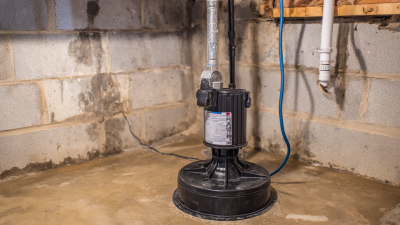
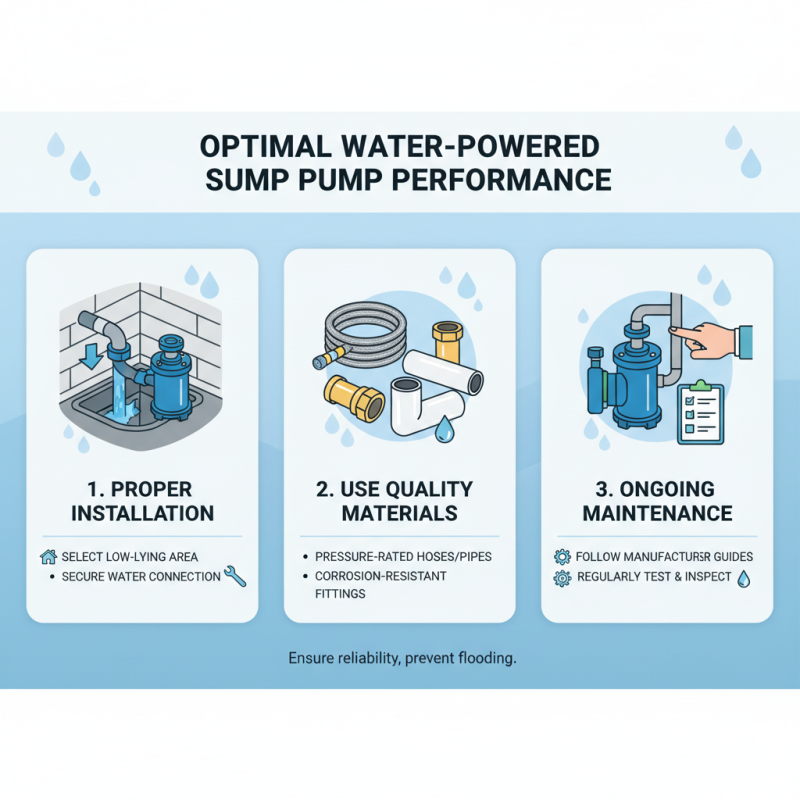
When it comes to ensuring optimal performance of water powered sump pumps, proper installation and ongoing maintenance are key. Initially, it's crucial to select a suitable location for your sump pump, ideally in a low-lying area where water collects. Ensure that the connection to the water supply is secure and made with appropriate materials that can withstand pressure. Additionally, follow the manufacturer’s guidelines during installation for optimal positioning and plumbing.

Routine maintenance is essential to keep your sump pump functioning efficiently. Regularly check the water supply line for leaks and ensure the pump is free from debris that may obstruct its operation. Moreover, testing the pump’s functionality at least once a month will help identify any issues before they escalate.

**Tips:** Always keep a backup power source ready to counter any potential failures, and consider periodic professional inspections to address wear and tear that might not be visible during casual checks. Additionally, familiarize yourself with the pump’s operation manual, as understanding its mechanics can help you troubleshoot simple problems quickly. Regular attention to these aspects will enhance the longevity and efficiency of your water powered sump pump system.

Industry Statistics: The Effectiveness of Water Powered Sump Pumps in Flood Mitigation

Water powered sump pumps have emerged as a reliable solution for flood prevention, particularly in areas prone to heavy rainfall and flooding. According to industry statistics, these pumps are highly effective in mitigating flood risks, operating without electricity and relying solely on water pressure to eliminate excess water. This unique functionality not only ensures continuous operation during power outages but also guarantees minimal environmental impact, making them an eco-friendly choice for homeowners looking to safeguard their properties.

When considering a water powered sump pump, it is essential to assess the water pressure available in your plumbing system, as this directly influences the pump's efficiency. Ensuring that your pump is installed correctly and in an ideal location can significantly enhance its performance. Additionally, regularly inspecting the pump and maintaining the plumbing connections can prevent unexpected failures during critical moments.

Tips for maximizing the effectiveness of water powered sump pumps include locating the system away from heavy water runoff areas, which can overwhelm the pump's capacity. It’s also advisable to periodically check for any blockages in the discharge line that could impede water flow. By taking these proactive measures, homeowners can better prepare for potential flooding events and ensure that their sump pump operates at optimal levels when needed most.