What is a Water Pressure Backup Sump Pump and How Does it Work?
When facing the threat of flooding, a reliable backup system is essential. The "water pressure backup sump pump" serves as an important safeguard for homeowners. According to Dr. Robert Hecker, an expert in home drainage systems, "Water pressure backup sump pumps are crucial in ensuring your home remains dry during heavy storms." This technology uses water pressure from municipal sources to operate, ensuring that your basement stays safe even if the main pump fails.
In recent years, more homeowners have recognized the significance of these systems. During heavy rains, traditional sump pumps can encounter power outages or mechanical failures. A water pressure backup sump pump ensures continual operation. This is especially important for properties in flood-prone areas. However, some may overlook the maintenance needs of these systems, risking their efficacy.
These pumps highlight the blend of technology and plumbing. By utilizing water pressure, they provide a reliable alternative to electrical systems. Yet, installing them requires careful planning and understanding of your home's specific needs. Homeowners must consider their options and not just rely on conventional solutions. Being proactive is key to protecting one's property from water damage.

What is a Water Pressure Backup Sump Pump?
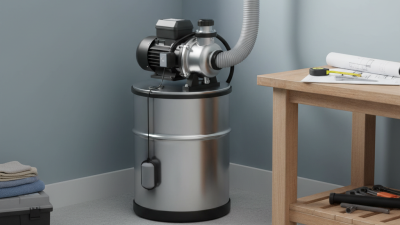
A water pressure backup sump pump is an essential device for homeowners living in flood-prone areas. It acts as a secondary line of defense when the primary sump pump fails. The mechanics behind it rely on city water pressure to activate the pump, providing a reliable backup during heavy rain or power outages. When the water level rises in the sump pit, the backup pump kicks in, ensuring your basement stays dry.
This system is often overlooked but crucial for protecting your home from water damage. Many people underestimate the risks of a malfunctioning sump pump. In a storm, a failed pump could lead to significant flooding. The water pressure backup offers peace of mind, especially for those who travel often or spend time away from home. You can feel more secure knowing that, even if the primary pump fails, there is another way to handle excess water.
However, installation and maintenance are paramount. Not everyone understands how to set up or care for these pumps effectively. Regular checks can prevent issues, but many homeowners forget to do this. Unexpected failures can still occur without proper attention. It may be worth considering these factors to keep your home protected year-round.
What is a Water Pressure Backup Sump Pump and How Does it Work?
| Feature |
Description |
Benefits |
Limitations |
| Power Source |
Operates using water pressure from the home's plumbing system. |
Reliable operation during power outages; no electricity needed. |
Requires a constant water supply; may not work during extreme water shortages. |
| Automatic Activation |
Activates automatically when the primary pump fails or becomes overwhelmed. |
Provides peace of mind; reduces risk of basement flooding. |
May require maintenance; potential for mechanical failure. |
| Installation |
Typically installed in conjunction with a primary sump pump system. |
Enhances existing sump pump system without major renovations. |
Initial installation cost can be significant. |
| Maintenance |
Requires regular checks to ensure proper operation. |
Helps to prevent basement damage, maintaining property value. |
Neglected maintenance can lead to failure when needed most. |
The Mechanism Behind Water Pressure Backup Sump Pumps
Water pressure backup sump pumps provide critical support in managing excess water in basements. Their primary mechanism involves using water pressure as a power source. This is particularly useful during power outages or when the main electric sump pump fails. The backup system ensures that water is effectively drained away, minimizing the risk of flooding.
The operation is relatively simple yet effective. When the main pump encounters a malfunction, the backup system activates automatically. A reliable float switch detects the rising water level and triggers the backup pump. It taps into the municipal water supply to create pressure that pushes water out of the sump basin. This process can happen swiftly, often within seconds, providing peace of mind to homeowners.
However, there are factors to consider. Regular maintenance is essential. If the backup system is neglected, it may not work when needed most. It's also crucial to ensure the municipal water line has sufficient pressure. An unexpected drop in water supply can hinder the pump's effectiveness. Homeowners must assess these factors to ensure their water pressure backup sump pump remains reliable in times of need.
Benefits of Using a Water Pressure Backup Sump Pump
A water pressure backup sump pump provides reliable support during heavy rain or power outages. It operates using municipal water pressure rather than electricity. This feature makes it particularly effective when the primary pump fails. Homeowners can enjoy peace of mind, knowing there is a backup system ready to kick in.
One significant advantage of using a water pressure backup sump pump is its independence from electricity. During storms, power failure is common, leaving basements vulnerable to flooding. This backup option is straightforward to install and can integrate seamlessly with existing systems. It’s not just a safety measure; it can also save costly repairs from water damage.
However, it's essential to consider regular maintenance. Neglecting maintenance can lead to issues, causing the backup to fail when needed. Homeowners must check the system periodically. Even with a reliable backup, overconfidence can lead to oversight. Thus, staying proactive ensures your sump pump system is always ready for those unexpected storms.
Installation Process for Water Pressure Backup Sump Pumps
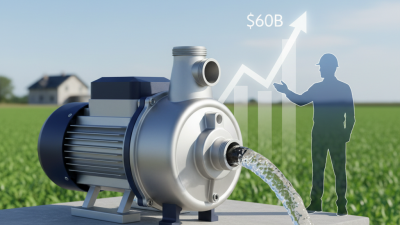
Installing a water pressure backup sump pump is a crucial step in safeguarding your home from flooding. These systems function by utilizing your home's water supply to pump out excess water when the primary sump pump fails. According to industry data, about 60% of homes without proper waterproofing will experience water damage during their lifetime. This highlights the importance of having a reliable backup system in place.
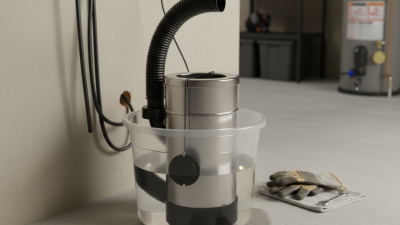
The installation process for a water pressure backup sump pump can be straightforward, yet it requires a few essential preparations. First, ensure you have access to a water supply line, typically found in your basement. The pump should be placed in a sump basin, often already existing if you have a primary sump pump. The most common installation involves connecting the backup pump to a power outlet and running a discharge line outside the home. Issues may arise, such as inadequate water pressure or improper sealing. It's advisable to consult a professional if uncertainties arise to avoid installation mistakes.
Proper maintenance of your backup pump is equally important. Regularly check the water pressure, and inspect the discharge line for clogs or kinks. Notably, about 25% of installed sump pumps fail during their first test due to lack of maintenance. Always be prepared for unexpected failures. Accept that installation can vary based on your home’s structure and plumbing. Leveraging professional experience can mitigate risks and enhance reliability.
Maintenance Tips for Ensuring Optimal Performance
Maintaining a water pressure backup sump pump is crucial for its reliable operation. Regular inspections should focus on the float switch, which can become stuck due to debris. A survey from the National Association of Home Builders indicates that 60% of homes experience water issues. This statistic underlines the importance of an efficient sump pump system.
Cleaning the sump pit is another key aspect. Dirt and grime can accumulate, leading to pump failure. Routine cleanings at least once a year can enhance performance. Check the discharge line to ensure it's clear. Blocked discharge pipes can cause significant issues, especially during heavy rainfall.
Testing the pump periodically is essential. Run it monthly to ensure it activates when needed. According to industry experts, a well-maintained sump pump can last up to 30 years. However, neglect can reduce this lifespan dramatically. It's wise to keep documentation of maintenance visits. This helps track performance and may serve as a reference for future repairs.
Water Pressure Backup Sump Pump Performance Analysis
This chart illustrates key performance metrics for water pressure backup sump pumps, including their performance measured in gallons per hour (GPH), recommended maintenance frequency in months, overall efficiency percentage, and expected lifespan in years. Proper maintenance can significantly impact these performance indicators, ensuring optimal functionality.