What is a Water Sump Pump and How Does It Work?
A water sump pump is an essential tool in managing water accumulation in homes and basements. It works by automatically pumping out water that accumulates in a sump basin, preventing flooding and water damage. When heavy rains occur or when the ground is saturated, homeowners may notice water pooling in low-lying areas of their property. Here, a water sump pump comes into play, ensuring that homes stay dry and safe.
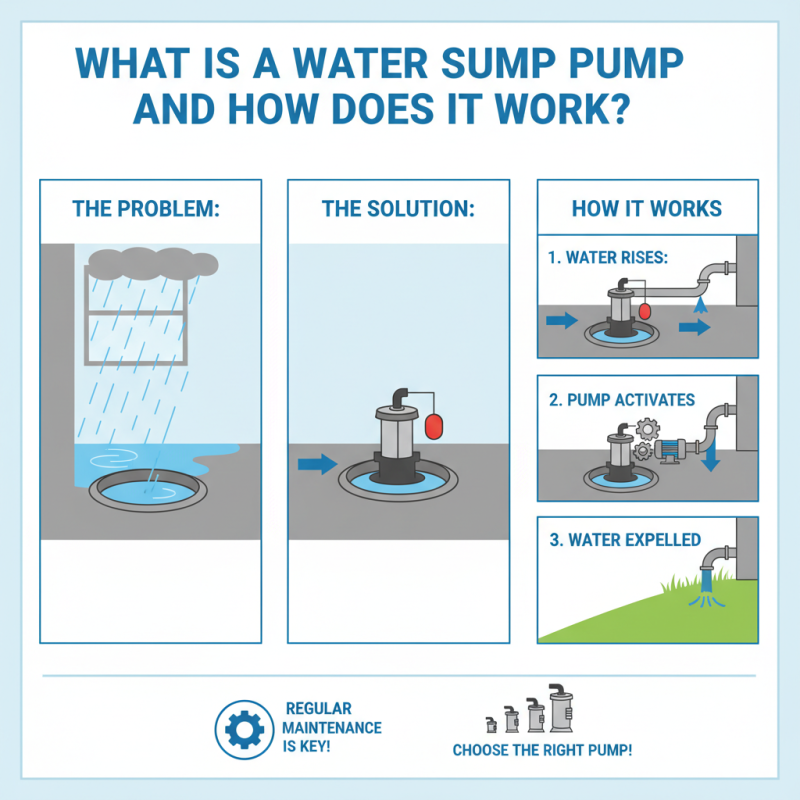
Understanding how a water sump pump functions is crucial for homeowners. The pump uses a float switch to detect rising water levels. Once the water reaches a certain height, the pump engages, expelling water outside. Regular maintenance is key to its effectiveness. Neglect can lead to pump failure, resulting in unexpected flooding.
Many people may overlook the importance of choosing the right pump. They assume all pumps are the same, which is false. Factors like power, type, and size are vital for optimal performance. This decision-making process requires careful consideration and reflection on individual needs. A well-chosen water sump pump can offer peace of mind during heavy storms and seasonal rains, making it a wise investment for any homeowner.
What is a Water Sump Pump?
A water sump pump is a crucial device for protecting homes from water damage. It is installed in a sump pit, typically found in basements or crawl spaces. When water accumulates, the pump activates to remove excess water, preventing flooding. Reports indicate that 60% of basements may suffer from some water damage during their lifetime. A sump pump helps mitigate these risks effectively.
These pumps work by using a float switch that detects rising water levels. When water reaches a certain point, the float rises, triggering the pump to start. The water is then directed through a discharge pipe away from the foundation. According to the American Society of Home Inspectors, approximately 50% of homes in the U.S. have some form of water intrusion. This highlights the relevance of having a reliable sump pump.
However, not all sump pumps are created equal. Maintenance is essential for optimal performance. Some homeowners may overlook this critical aspect, leading to pump failure during emergencies. Regular checks and cleaning can prevent sediment buildup, ensuring the pump operates when needed most. It's vital to reflect on the systems we rely on. Investing time into upkeep can save homeowners significant costs associated with water damage.
Principles of Operation for Sump Pumps
Sump pumps are essential devices in managing water accumulation in basements and crawl spaces. They work on a simple principle: when water enters a sump pit, the pump automatically activates. This helps prevent flooding and water damage. The pump typically consists of a motor, a float switch, and a discharge pipe.
The float switch is crucial for the pump’s operation. It rises with the water level in the pit. Once it reaches a certain height, the switch triggers the pump. The motor then expels the water through the discharge pipe. This system operates silently, yet effectively, protecting your property. However, improper installation can lead to mechanical failure or insufficient drainage.
Understanding the mechanics of sump pumps improves maintenance. Regular checks can identify wear and tear. However, many homeowners neglect this. They often overlook the importance of a backup power source. In stormy weather, electricity can fail, leaving the sump pump inactive. Preparing for emergencies can make all the difference in safeguarding your home from water damage.
Different Types of Sump Pumps and Their Uses
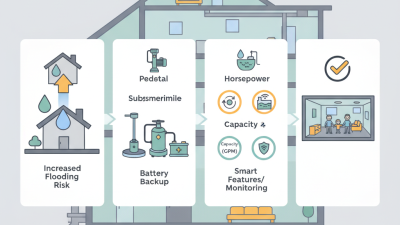
When it comes to sump pumps, understanding the various types is crucial. Submersible sump pumps are among the most common. They sit in the pit and operate underwater, making them efficient. Their design allows them to handle large volumes of water quickly. According to a report by the Environmental Protection Agency, nearly 24% of homes in the U.S. experience water damage related to flooding or leaks. This highlights the necessity of reliable sump pump systems.
Pedestal sump pumps are another option. They have a motor mounted above the pit, which can extend the pump's lifespan. However, they can be less effective in very large or deep pits. Data from the American Society of Home Inspectors suggests that homeowners should consider their property’s specific needs. In heavy rainfall areas, a dual sump pump system might be beneficial. While many may overlook maintenance, it's essential for ensuring long-term performance. Regular checks can reveal signs of wear or potential issues that might lead to failure.
Types of Sump Pumps and Their Uses
Installation Process for a Sump Pump
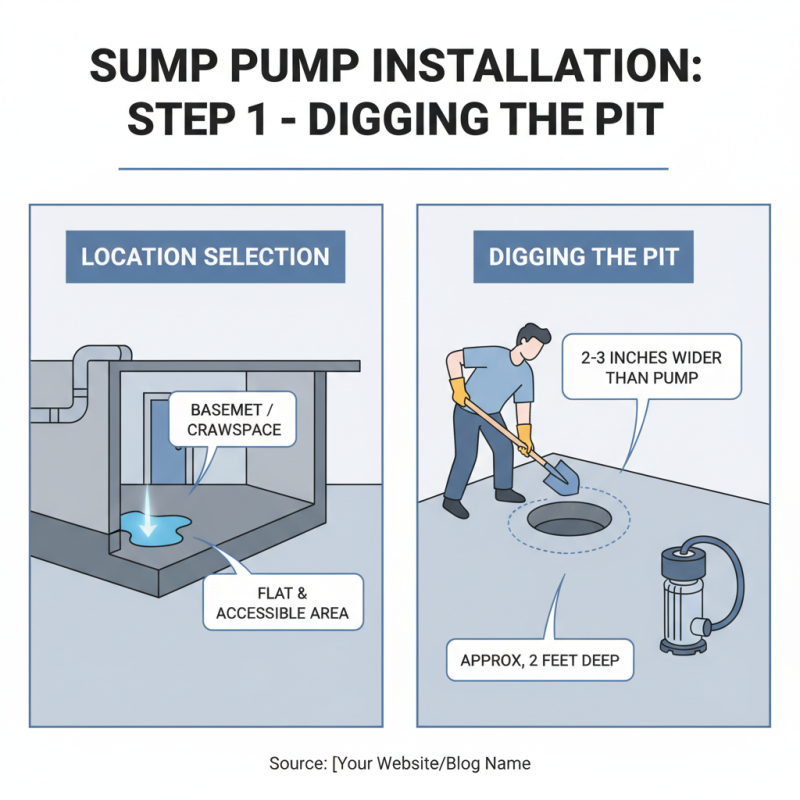
Installing a sump pump can be a straightforward process, but attention to detail is crucial. Start by choosing the right location, ideally in a basement or crawlspace prone to flooding. The area should be flat and accessible. Use a shovel to dig a pit for the pump, ensuring the hole is a few inches wider than the pump itself. This extra space helps with proper drainage. Aim for a depth of about two feet, depending on the pump size.
Next, set the sump pump in the pit. Make sure the pump’s discharge pipe can be directed outside, away from the home. You may need to purchase additional piping or fittings for this. It's essential to seal any connections securely to prevent leaks. Check the power supply. A dedicated circuit is necessary, as sump pumps can draw significant power. Consider a battery backup system for emergencies.
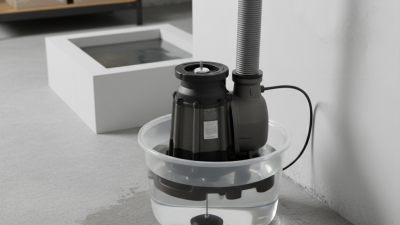
After installation, perform a test run. Pour water into the pit to see if the pump activates properly. This step helps identify any issues before a major storm hits. Remember that regular maintenance, like cleaning the sump basin and testing the pump, is vital for optimal performance. Problems often arise from lack of upkeep. Reflecting on these steps can help you improve your installation process over time.
Maintenance Tips for Optimal Sump Pump Performance
To keep your sump pump running efficiently, regular maintenance is key. Start by checking the pump's power supply. Ensure it is plugged in and free from obstructions. Inspect the discharge pipe periodically for any blockages. A clear path is crucial for the water to flow freely. Additionally, make sure the check valve is operational. This prevents backflow, which can lead to further issues.
Cleaning the sump pit is another important maintenance step. Remove any debris like dirt or leaves that may accumulate over time. This helps the pump operate effectively. It's also wise to test the pump regularly. Fill the sump pit with water and observe the pump. It should activate and expel the water promptly. Note how it performs. If it struggles, this could indicate a problem that needs addressing.
Don’t overlook the importance of seasonal checks. Before heavy rain or snowmelt, inspect your sump pump. This proactive measure can save you headaches later. Reflecting on these maintenance practices can help you identify areas for improvement. It’s about ensuring your sump pump is ready to face challenges effectively.
What is a Water Sump Pump and How Does It Work? - Maintenance Tips for Optimal Sump Pump Performance
| Dimension |
Description |
| Pump Type |
Submersible, pedestal |
| Power Source |
Electricity |
| Horsepower Rating |
½ HP, ⅓ HP, 1 HP |
| Typical Use |
Basements, crawl spaces |
| Installation Location |
In a sump pit below ground |
| Water Discharge Rate |
2000 - 4000 gallons per hour |
| Maintenance Frequency |
Every 6 months |
| Common Problems |
Clogs, power failure, float switch issues |
| Lifespan |
5 to 10 years |