Essential Welding Protection Tips for Safety and Efficiency?
Welding Protection is crucial for anyone involved in metal work. From sparks to heat, the hazards are abundant. Proper safety measures can prevent injuries and ensure efficiency in the workplace.
A welder's environment is filled with risks. Protective gear, such as helmets and gloves, reduces exposure to harmful elements. However, not all workers use the right equipment consistently. This inconsistency can lead to accidents. Perhaps some feel invincible or underestimate the dangers.
Having a well-defined safety protocol is imperative. This includes regular training on welding protection practices. Clear guidelines can help reduce confusion. Workers should be encouraged to reflect on their safety habits. What works for one may not work for another. Seeking improvement in safety measures is an ongoing process.
Understanding the Importance of Welding Protection Gear
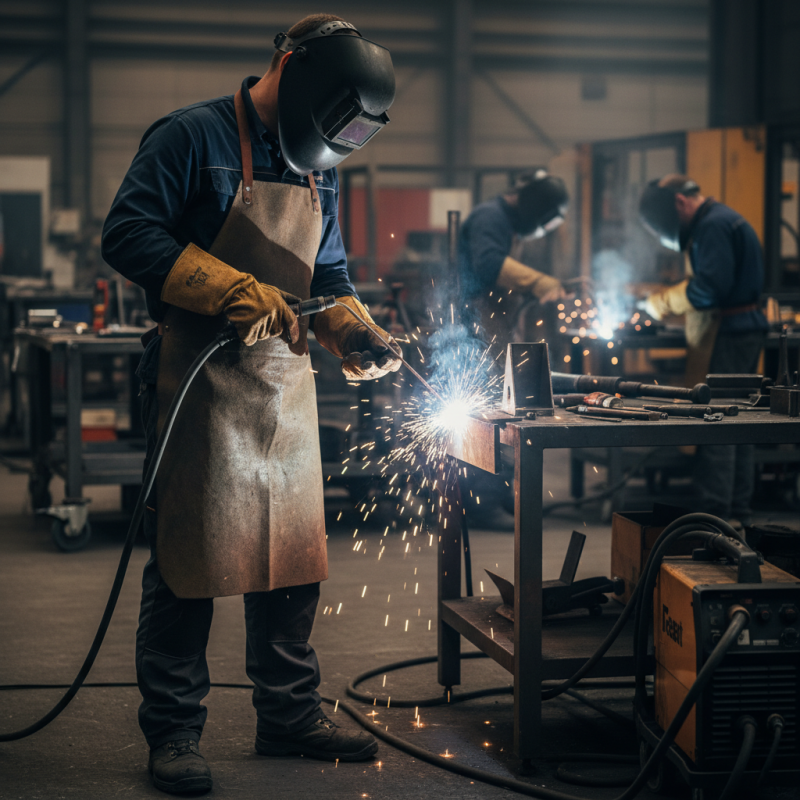
Welding is a vital skill in many industries. However, it also poses significant risks. Proper welding protection gear is crucial for maintaining safety. This includes helmets, gloves, and protective clothing. Each item serves a unique purpose. Helmets shield the face from sparks and harmful light. Gloves protect hands from heat and sharp edges.
Understanding the importance of this gear can save lives. Many workers overlook safety measures. They may think they won't get hurt. Yet, injuries can happen in an instant. A small oversight can lead to severe burns or eye damage. Wearing the right gear minimizes these risks. It creates a safer work environment.
Even with protection, challenges remain. Gear can be uncomfortable or restrictive. Some may not wear it all the time. This creates a false sense of security. Reflecting on these habits is essential. Continuous improvement in safety practices can make a difference. Training sessions can reinforce the value of protection gear. It’s not just about being safe; it's also about being efficient. Optimized safety leads to better productivity.
Key Personal Protective Equipment (PPE) for Welders
Welding can be hazardous. Proper personal protective equipment (PPE) is vital for safety. A welding helmet is essential. It protects the face and eyes from harmful sparks and intense light. Many welders overlook the importance of a good helmet. Choosing the right shade for the lens can significantly impact comfort and visibility.
Gloves also play a crucial role. They safeguard hands from heat, sparks, and molten metal. It’s surprising how many welders use worn-out gloves. A sturdy pair reduces the risk of burns and improves grip. However, some may find them cumbersome. Finding a balance between protection and dexterity is important.
Protective clothing is just as necessary. Flame-resistant jackets, aprons, and pants should be standard attire. These materials help prevent injuries from flying debris. Some may feel bulky, but safety should never be compromised. Investing in quality gear ultimately boosts efficiency. Remember, safety equipment is not just a requirement; it’s a fundamental part of being a responsible welder.
Safe Work Practices to Minimize Welding Hazards
Welding is a vital process in construction and manufacturing. However, it comes with inherent hazards. According to the Bureau of Labor Statistics, welding incidents account for approximately 13% of all workplace injuries. This highlights the importance of safe work practices.
Using proper personal protective equipment (PPE) is essential. Welders should wear helmets that meet safety standards. Protective clothing should be flame-resistant. Breathable materials are ideal to prevent overheating. Regular training on PPE use is necessary. Yet, many workers overlook maintenance. This neglect can lead to accidents.
Creating a well-ventilated workspace minimizes exposure to harmful fumes. OSHA recommends ventilation to reduce toxic exposure. Some welding environments still lack adequate airflow. This endangers workers’ health. Regular air quality assessments should be conducted. These practices ensure a safer environment for all involved. Regular feedback from workers is crucial. They understand the day-to-day struggles and hazards. Their input can lead to improvements in safety protocols.
Preventing Fire Risks in Welding Environments
Welding is a crucial process in various industries, but it comes with inherent risks. One of the major dangers is fire. Sparks and heat generated during welding can ignite nearby materials. This threat makes awareness vital for any welding environment.
To minimize fire risks, it's important to maintain a clean workspace. Make sure that flammable materials, like paper or wood, are kept at a safe distance. Sometimes, even small scraps can catch fire unexpectedly. Regularly inspect your work area for debris that could ignite in an instant.
Additionally, proper protective equipment is essential. Fire-resistant clothing is a must, but it’s easy to overlook this basic safety measure. Are your clothes right for the job? Examine your gear often. Keep a fire extinguisher nearby, but don’t become complacent. Just having one isn’t enough. Training on how to use it effectively is equally important. Recognize that a moment’s distraction can lead to disaster.
Essential Welding Protection Tips for Safety and Efficiency
This bar chart illustrates the common fire risks associated with welding activities and the importance of implementing protective measures to enhance safety and efficiency in welding environments.
Maintaining and Inspecting Welding Safety Equipment
Welding safety equipment is essential. Regular inspection plays a vital role in preventing accidents. You should check your helmet, gloves, and protective clothing frequently. Look for any signs of wear or damage. A small tear in gloves can lead to serious injuries.
When inspecting your welding helmet, pay attention to the lens. A scratched lens reduces visibility. Poor visibility increases the risk of errors. Are the filters working properly? Ensure they respond to changes in light instantly. A malfunctioning helmet can put you at risk.
Also, consider the safety of your workspace. Clutter can create hazards. Ensure all tools are stored properly. Unsecured materials can fall or cause tripping. Remember, even small distractions can lead to accidents. Reflect on your routine. Are you taking safety seriously? Consistent checks are easy to overlook, but they are crucial. Regular maintenance leads to better efficiency and safety.