2026 Best Sump Pump Type to Prevent Failure?
Choosing the best sump pump in 2026 is not simply a horsepower decision. It is a risk-management decision.
A failed pump can leave a basement floor covered in dirty water within hours. FEMA estimates that one inch of floodwater may cause approximately $25,000 in damage to a home. The Insurance Information Institute also identifies water damage as one of the most common homeowners’ insurance claims. These figures make sump pump selection more than a maintenance detail.
“Sump pumps are mechanical devices, and mechanical devices can fail,” says Larry Janesky, founder of Basement Systems and a recognized basement-waterproofing specialist. His warning is practical. A pump may overheat, lose power, clog its intake screen, or stop when its float switch sticks against the pit wall.
That is sump pump failure.
The strongest 2026 system usually combines a primary pump, a battery-backed backup, a high-water alarm, and a properly sealed basin. Cast-iron pumps often offer better heat control during long cycles. Energy-efficient models may reduce operating costs, but efficiency cannot replace capacity or correct installation.
A larger pump is not always safer.
The required capacity depends on discharge height, pipe length, inflow rate, and local rainfall patterns. ASPE plumbing guidance stresses that pump sizing must reflect actual system resistance, not marketing claims alone. Homeowners should test the float switch, clean the inlet, inspect the check valve, and replace aging batteries before storm season.
Still, no design eliminates every weakness. That uncomfortable truth matters. The best choice is the system that continues working when power fails, debris enters, and rainfall exceeds expectations.
What Is the Most Reliable Sump Pump Type in 2026?
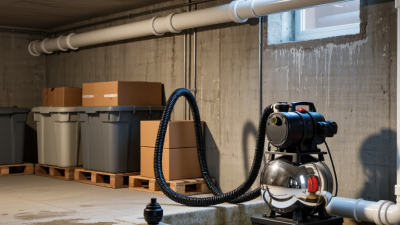
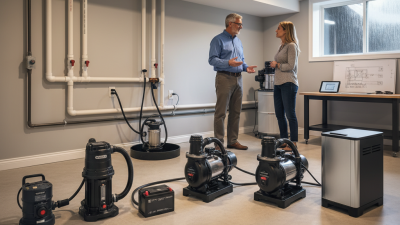
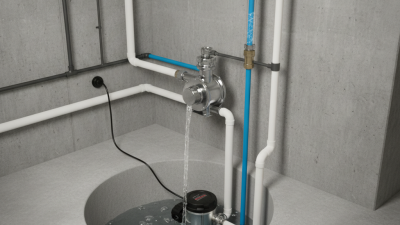
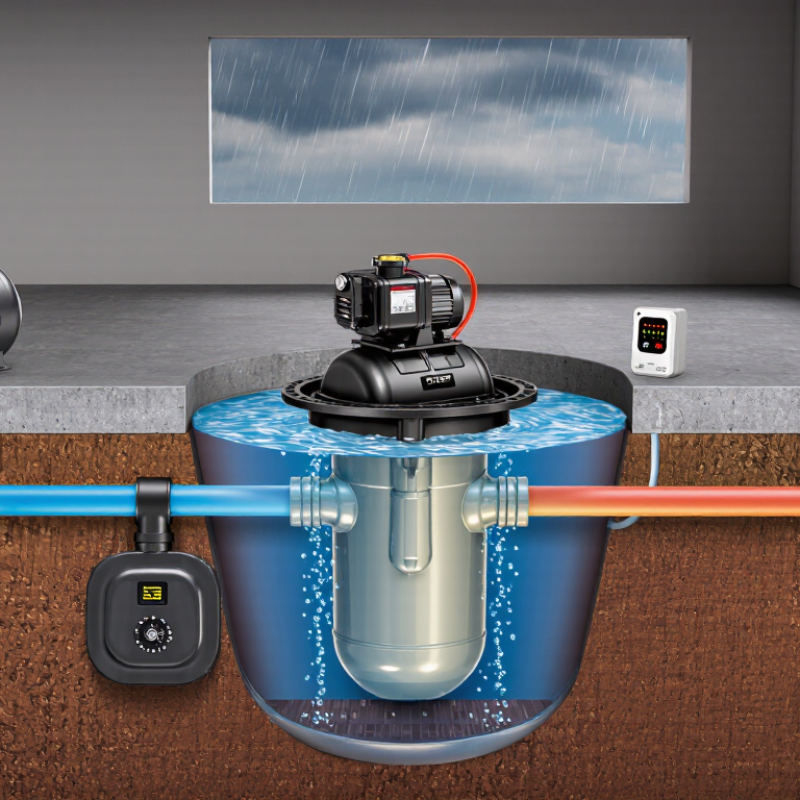
In 2026, the most reliable sump pump type is usually a heavy-duty submersible pump. It sits inside the sump pit, where incoming water keeps the motor cool. This design also runs more quietly than most pedestal pumps. During basement inspections, technicians often favor models with cast-iron motor housings, stainless fasteners, and sealed bearings. These details resist vibration, rust, and repeated cycling.
A reliable submersible pump should include a simple vertical float or a well-protected pressure sensor. Complex switches can offer useful features, but extra parts may create extra failure points. The discharge pipe also matters. A rigid pipe with a properly fitted check valve prevents backflow after shutdown. That small detail can reduce unnecessary cycling.
Choose capacity according to the pit and local water conditions, not just horsepower. An oversized pump may short-cycle, while an undersized pump can run continuously during storms. A battery backup pump adds protection during outages, especially when the main pump stops unexpectedly. Still, backup systems need monthly testing and battery replacement. I have seen excellent pumps fail because the float was trapped by a loose cord. That is easy to overlook.
No pump type is failure-proof. Sediment, poor installation, frozen discharge lines, and neglected testing can defeat expensive equipment. Check the pit each season, lift the float manually, and listen for unusual grinding. Reliable protection comes from a sound submersible design and disciplined maintenance.
How Different Sump Pump Types Prevent Common Failures
2026 Best Sump Pump Type to Prevent Failure?
How Different Sump Pump Types Prevent Common Failures
The best sump pump depends on your pit, water volume, and power reliability.
No single design prevents every failure. Submersible pumps sit inside the pit, keeping the motor cool under water. This design is quiet and efficient, but sediment can clog the intake. A sealed motor housing also reduces moisture damage.
Pedestal pumps place the motor above the pit. They are easier to inspect and often tolerate shallow pits. However, their exposed motor can overheat in a cramped, humid basement. A vertical float may also stick against the pit wall.
Battery-backed systems help during outages, while combination systems add another pump when inflow suddenly rises. Yet backup batteries need regular testing. I have seen reliable pumps fail because nobody checked the battery for years.
Tips:
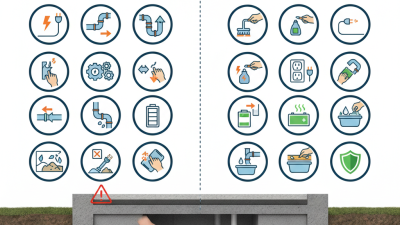
Match the pump capacity to your drainage needs, not just the lowest price. Keep the intake screen clear, and test the float by lifting it slowly. Check the discharge pipe for ice, crushed sections, or poor slope. A working check valve prevents water from draining back into the pit. Leave enough clearance around the float. This small detail matters. Have a qualified technician inspect wiring and discharge connections if you notice repeated cycling, unusual noise, or a wet basement floor.
How to Choose a Sump Pump for Your Basement Conditions
2026 Best Sump Pump Type to Prevent Failure?
How to Choose a Sump Pump for Your Basement Conditions
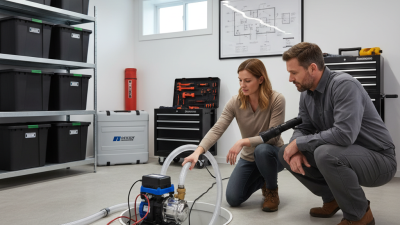
Choosing a sump pump starts with your basement, not the pump label. I once inspected a pit beside a leaking foundation wall. The pump worked, but its small basin filled too quickly during heavy rain. Measure the pit, estimate inflow, and check how far water must travel before buying.
A submersible pump suits a deeper pit and usually runs more quietly. A pedestal pump can fit a narrow basin, but its exposed motor needs protection from bumps and moisture. For frequent flooding, select enough capacity for the vertical lift and discharge distance. A pump that performs well at floor level may weaken sharply near the outlet.
Look closely at the discharge pipe. Long runs, elbows, and uphill sections reduce flow. Install a reliable check valve, but avoid placing it where freezing water can trap pressure. Test the float switch by adding water slowly. It should start before the water reaches the basement floor.
Backup power matters in storms. A battery system helps when electricity fails, while a secondary pump offers another layer of protection. Still, batteries age, and backup pumps can remain forgotten for years. Inspect the pit every few months, remove gravel, and confirm the alarm works. I have found “working” systems with blocked screens and dead batteries. That mistake is easy to repeat.
How Backup Systems and Testing Improve Sump Pump Reliability
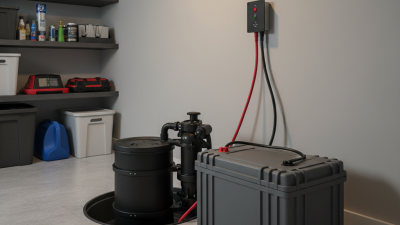
Choosing the best sump pump type matters, but reliability depends more on what happens during a power outage. A primary pump can remove water effectively, yet it stops when electricity fails. A battery-powered backup provides a second path, while a water-powered backup can help when municipal water pressure remains available. The right setup depends on basement depth, discharge design, battery capacity, and local flood risk.
Insurance Information Institute data, based on ISO statistics, shows that water damage and freezing caused 29.6% of homeowners insurance claims from 2017 to 2021. FEMA also reports that one inch of floodwater can cause more than $25,000 in damage. These figures make backup protection practical, not excessive. During inspections, technicians should test the float switch, alarm, check valve, battery terminals, and discharge line. A silent backup is not a reliable backup.
Test it before the storm.
Pouring water into the pit confirms pump activation, but it does not prove long-term readiness. Disconnecting normal power briefly can reveal battery failure, weak connections, or an overloaded system. Batteries often receive attention too late. I have seen clean pits with dead backup batteries. That is an avoidable mistake. Monthly testing, annual battery evaluation, and replacement before the manufacturer’s rated service period can improve reliability, although no system removes every flood risk.