2026 Best Sump Pumps for Preventing Sump Pump Failure

A reliable sump pump can protect a basement from rising water, damaged flooring, and ruined storage. Yet sump pump failure often appears without warning. The motor may hum, the float may stick, or the discharge pipe may freeze during a storm. A silent pit is not always a safe pit.

FEMA’s “The Cost of Flooding” estimates that one inch of indoor floodwater can cause about $25,000 in damage. The Insurance Information Institute also identifies water damage and freezing as major sources of homeowners’ insurance claims. These figures show why pump selection deserves more than a quick online purchase. Richard Trethewey, a plumbing and heating expert known for This Old House, has repeatedly emphasized a practical warning: “A sump pump is not something you install and forget.” That advice remains uncomfortable, but accurate.

This 2026 guide examines pump capacity, backup power, switch design, alarm systems, and real-world maintenance needs. It considers basement size, discharge distance, storm intensity, and installation quality. A powerful pump can still fail when its outlet is blocked. A cheaper model may perform well, but only under lighter conditions. No product can eliminate every risk. That is the part many buying guides overlook. We will compare leading options honestly, including their weaknesses, so homeowners can reduce sump pump failure before the next heavy rainfall turns the basement floor into a shallow, cold pool.
2026 Best Sump Pumps for Preventing Sump Pump Failure

What Causes Sump Pump Failure and Why Prevention Matters

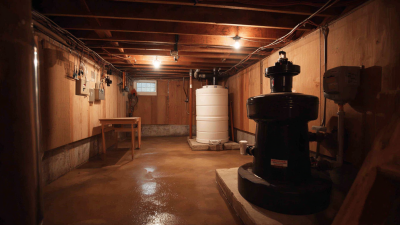
Sump pump failure rarely begins with a dramatic motor collapse. During basement inspections, I often find a clogged intake screen, a stuck float, or a frozen discharge pipe. Small debris can stop the impeller while water rises quietly around stored boxes. A failed check valve may force water back into the pit, causing repeated cycling. Power outages create another risk, especially during severe rain. That timing is unforgiving.

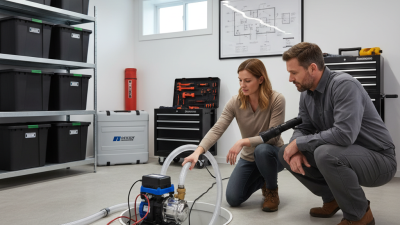
Prevention starts with a clear pit and a reachable pump. Unplug the unit before removing sediment, then examine the float for smooth movement. Pouring water into the pit tests activation, but it does not test every failure point. Watch for grinding, short cycles, weak discharge, or unusual heat. These signs deserve attention before the next storm. A qualified drainage professional should assess persistent problems or uncertain wiring. I have learned not to trust a pump simply because it still runs. That assumption has delayed repairs.

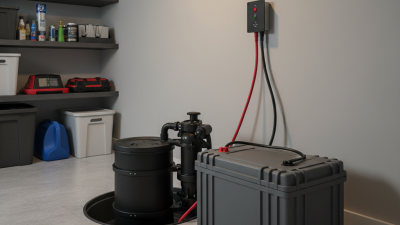
A properly sized replacement should match the pit, discharge height, and expected inflow. Keep the outlet protected from freezing and confirm the check valve closes tightly. An independent high-water alarm can provide valuable warning. For critical basements, add a tested backup pump and maintain its battery on a schedule. Test both systems before wet weather, document the results, and correct one weakness at a time. No setup is perfect.

Key Features of the Best Sump Pumps for 2026

2026 Best Sump Pumps for Preventing Sump Pump Failure

The best sump pumps for 2026 focus on resilience, not impressive marketing claims. FEMA’s National Flood Insurance Program estimates that one inch of floodwater can cause about $25,000 in home damage. That figure makes backup protection practical, not optional. Choose a primary pump with a battery-powered backup system. A high-water alarm should sound before water reaches the floor. Dual float switches also help when one switch becomes stuck by debris.

Look for a corrosion-resistant housing and a check valve that prevents backflow. Pump capacity must match the basement’s vertical lift, called head height. A pump moving 4,000 gallons per hour at ground level may perform poorly at ten feet. Independent testing under UL 778 covers motor-operated water pumps, but certification does not guarantee perfect installation. No pump is failure-proof. I learned that small installation details often matter more than advertised horsepower.

Tips: Measure discharge height before purchasing. Test the float monthly. Pour water into the pit and confirm automatic startup. Keep the outlet pipe clear, insulated, and sloped away from the foundation. A battery backup needs scheduled charging checks. Replace batteries according to their service condition, not only the printed date. Consider a water-level alarm with a separate power source. Some homeowners overlook the lid, yet a sealed, removable lid reduces moisture, odors, and accidental interference.

Comparing Sump Pump Types, Power, Capacity, and Reliability

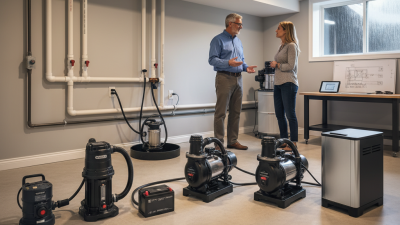
Choosing the best sump pump starts with the pit, not the price tag. Submersible pumps sit underwater and usually operate more quietly. Pedestal pumps keep the motor above the water, making them easier to inspect. However, they need more vertical space and can become noisy in living areas.

Pump power matters, but higher horsepower is not automatically better. A 1/3-horsepower pump may suit a shallow pit with moderate inflow. A 1/2-horsepower model can handle greater lift and longer discharge runs. Check the pump’s flow rate at the actual discharge height, not only its advertised maximum. Capacity also depends on pipe diameter, elbows, and backflow resistance. Field inspections often reveal a surprising problem: an undersized discharge pipe quietly limits performance. Reliability improves with a strong float switch, corrosion-resistant components, and a separate backup power source. Still, even a well-built pump can fail when debris blocks the intake.

Tips: Measure the pit depth and discharge height before buying. Test the float monthly. Pour water into the pit and watch the full cycle. Keep the intake screen clear. Replace brittle check-valve fittings early. Battery backups add protection, but their runtime can be disappointing during extended outages. I would not rely on one without checking its age, alarm, and charging condition. A small mistake here can leave several inches of water on the floor.

2026 Best Sump Pumps for Preventing Sump Pump Failure - Comparing Sump Pump Types, Power, Capacity, and Reliability

Sump Pump Type Typical Motor Power Typical Capacity at 10 ft Head Typical Maximum Head Primary Power Source Typical Service Life Reliability Considerations Best Application
Submersible sump pump 1/3–1/2 HP 35–55 gallons per minute (GPM) 20–30 ft 120 V AC 7–10 years with proper installation and maintenance Quiet operation and good cooling because the motor is submerged; failure can result from debris, stuck switches, inadequate pit size, or power loss. Most residential basements and crawl spaces with regular groundwater inflow
High-capacity submersible sump pump 3/4–1 HP 55–85 GPM 25–35 ft 120 V AC 7–10 years, depending on duty cycle and water conditions Moves water quickly during heavy inflow, but higher power demand, undersized discharge piping, and excessive cycling can reduce performance. Flood-prone locations, high water tables, and larger sump pits
Pedestal sump pump 1/3–1/2 HP 25–45 GPM 15–25 ft 120 V AC 5–10 years The motor stays above the water for easier access and inspection; the exposed motor requires protection from moisture, impact, and excessive heat. Narrow or shallow sump pits where the pump must remain accessible
Battery-backup sump pump 1/4–1/2 HP equivalent backup motor 20–40 GPM 15–25 ft 12 V or 24 V battery system Pump: 5–10 years; battery: commonly 3–5 years Provides protection during outages, but reliability depends on battery age, charger operation, terminal condition, and correct battery sizing. Homes that experience power outages, storms, or unattended periods
Combination primary and battery-backup system Primary: 1/3–1 HP; backup: 1/4–1/2 HP equivalent Primary: 35–85 GPM; backup: 20–40 GPM 15–35 ft, depending on pump and piping 120 V AC plus 12 V or 24 V battery Primary pump: 7–10 years; battery: commonly 3–5 years Offers two layers of protection, but both pumps can be affected by blocked discharge lines, poor check-valve installation, or inadequate maintenance. Basements where water damage would be costly or difficult to recover from
Water-powered backup sump pump No electric motor; uses municipal water pressure 8–20 GPM, depending on water pressure and model design 10–20 ft Municipal water supply 10 years or more when water quality and valves are suitable Can operate during electrical outages, but requires adequate municipal pressure, consumes potable water, and is unsuitable for private-well systems unless specifically engineered for them. Municipal-water homes needing a non-battery backup option
Portable utility pump for emergency use 1/6–1/4 HP 15–35 GPM 10–20 ft 120 V AC 3–7 years with intermittent use Useful as a temporary measure, but it generally lacks automatic controls and is not intended to replace a permanently installed sump-pump system. Emergency water removal, testing, or temporary backup
Comparison notes: Flow rates are typical operating ranges rather than guaranteed performance figures. Actual output depends on pump design, discharge-pipe diameter, vertical lift, pipe length, fittings, check valves, and electrical or water-supply conditions. “Maximum head” is the approximate vertical height at which flow approaches zero and should not be treated as a recommended operating point.
Failure-prevention checklist: Use a properly sized sump pit, keep the intake screen free of debris, test the float switch several times per year, inspect the check valve and discharge line, provide a dedicated grounded outlet, install a high-water alarm, and replace backup batteries according to the manufacturer’s service interval.

Installation and Maintenance Practices That Prevent Failure

A reliable sump pump begins with installation, not the emergency night when water rises. Set the pump upright on a firm, level base. Keep the intake screen clear of gravel and construction debris. The discharge pipe needs a check valve and a safe outlet away from the foundation. Use a properly grounded circuit with GFCI protection, following local electrical requirements. Seal the pipe opening, but do not trap the pit lid so tightly that service becomes difficult. Leave room to lift the pump out.

During wet months, test the float switch by adding water slowly. Listen for grinding, delayed starting, or short cycling. Clean the pit twice a year, removing silt that can jam the impeller. Inspect the check valve for leaks and confirm the backup power system actually starts. A battery can appear healthy yet fail under load. Test it.

In my maintenance work, most failures came from neglected details, not defective motors. One homeowner stored paint cans beside the pit and blocked access. Another ignored a faint vibration until the pump stopped during a storm. These examples changed my checklist. I now record test dates, water levels, and unusual sounds. Still, no schedule is perfect. Heavy rain, power outages, and aging plumbing can expose weaknesses between inspections. If the pump runs often, investigate the water source instead of accepting constant operation. Replace worn parts before they become an overnight emergency.

2026 Best Sump Pumps for Preventing Sump Pump Failure

Installation and Maintenance Practices That Prevent Failure

A practical preventive-maintenance schedule helps reduce common sump-pump problems such as blocked intakes, stuck floats, failed check valves, and backup-system outages. The chart shows commonly recommended annual service frequencies for a residential sump-pump system. Actual intervals should follow local conditions and the equipment manufacturer’s instructions.

How to Choose the Right Sump Pump for Your Basement

2026 Best Sump Pumps for Preventing Sump Pump Failure

Choosing a sump pump starts with your basement, not an impressive package label. Measure the pit diameter, water inflow, discharge-pipe length, and vertical lift. A pump rated for high gallons per hour may perform poorly under real pressure. Check its flow at your system’s total lift height.

For frequent groundwater, choose a primary pump with a durable motor and a reliable float switch. An upright switch needs enough clearance to move freely inside the pit. A tethered switch may suit wider pits, but it can snag against the pump or pipe. I have seen this simple problem cause flooding during heavy rain.

Do not ignore power protection. A battery backup pump can keep water moving during outages, but its battery needs regular testing and replacement. Add a high-water alarm near the pit. It provides an early warning when the primary pump struggles. Confirm that the discharge pipe has a check valve and drains away from the foundation. A backup system is not useful if its outlet freezes or clogs.

Noise also matters. A vibrating pump can loosen fittings over time. Use a stable base and flexible connector where appropriate. Inspect the pit each season, remove sediment, and test the float manually. No pump choice is perfect. I still find that poor installation defeats expensive equipment. Measure twice. Then choose capacity with real conditions in mind.