2026 Top Heavy Duty Sump Pump Types for Global Buyers?
Choosing the right heavy duty sump pump in 2026 requires more than comparing motor power or advertised flow rates. Global buyers face different basement designs, voltage systems, drainage rules, and water conditions. A pump that performs well in a Canadian utility room may struggle in a humid coastal warehouse.
This guide introduces the main sump pump types used for demanding applications. It considers cast iron, stainless steel, thermoplastic, submersible, pedestal, sewage-capable, battery backup, and duplex systems. Each type has practical strengths. Each also has limits. A heavy motor does not always mean better drainage. Actual performance depends on total head, pipe length, discharge size, solids, cycling frequency, and installation quality.
Details matter. A flooded pit may contain sand, lint, or small debris. A narrow discharge line can reduce flow sharply. Incorrect voltage can damage equipment and create safety risks. Buyers should verify certified electrical protection, local installation requirements, warranty coverage, spare parts, and service availability before ordering. Product data should come from traceable manufacturers or qualified distributors, not vague marketplace claims.
Field experience shows that reliability often comes from correct sizing, not maximum capacity. Still, this guide cannot replace an on-site inspection. Water tables change. Building conditions are rarely identical. Some recommendations may need reconsideration after testing real inflow rates. The following overview helps international purchasers compare pump designs with clearer expectations and fewer costly surprises.
Heavy-Duty Sump Pump Basics and Global Application Requirements
2026 Top Heavy Duty Sump Pump Types for Global Buyers?
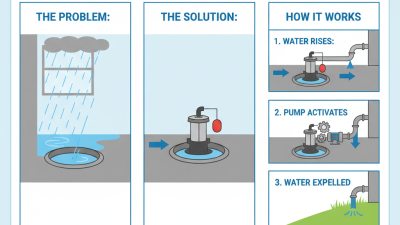
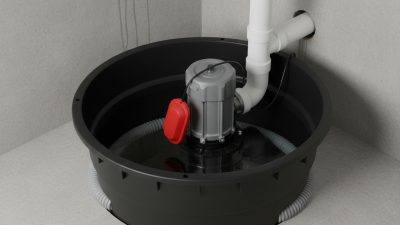
Heavy-duty sump pumps remove groundwater, rainwater, and drainage water from basements, pits, and utility rooms. A reliable selection starts with total dynamic head, flow rate, pit depth, and solids size. Cast-iron pumps suit demanding installations. Stainless-steel housings resist corrosion in humid environments. Vortex impellers handle suspended particles with lower blockage risk. For sewage-like water, buyers need a suitable solids passage and approved installation design.
Global conditions change the specification. Voltage, frequency, plug design, and motor protection must match the destination market. IEC 60335-2-41 supports safety assessment for household and similar pumps. Outdoor installations may require suitable IP protection, while coastal sites often justify corrosion-resistant materials. ASCE’s 2021 Infrastructure Report Card rated U.S. stormwater infrastructure D, showing why drainage resilience deserves attention. The UN World Water Development Report 2024 reported that 2.2 billion people lacked safely managed drinking water in 2022. Water systems remain uneven, and local flooding data should guide capacity planning.
Tips: Measure the vertical lift first. Then add pipe friction. Keep a battery or generator backup where outages are common. Test the float switch every few months. Oversizing is not always safer; it can cause short cycling and faster wear. Published performance charts may assume ideal conditions. Real pits are messier. Review them carefully.
2026 Top Heavy-Duty Sump Pump Types for Global Buyers
Typical continuous flow ranges at approximately 3 m total dynamic head
How to read this chart: The ranges are representative engineering values for common heavy-duty sump pump configurations and are not brand or market-share data. Actual performance depends on total dynamic head, discharge-pipe diameter, check-valve losses, voltage and frequency, solids content, duty cycle, and local electrical requirements. Global buyers should select a pump from the required duty point rather than the maximum advertised flow.
Key Types of Heavy-Duty Sump Pumps for Industrial and Commercial Use
2026 Top Heavy Duty Sump Pump Types for Global Buyers
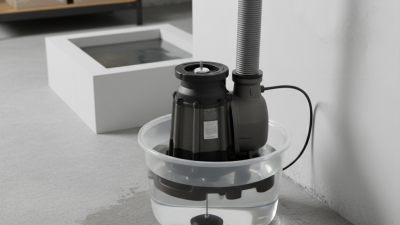
Heavy-duty sump pumps protect industrial and commercial spaces from rising groundwater, process leaks, and washdown water. Submersible pumps are common in deep pits. Their sealed motors operate below water and save valuable floor space. Choose cast-iron construction for abrasive water, grit, and frequent duty cycles. Vortex impellers handle solids with less clogging. High-head models suit long discharge lines or elevated drainage points. They often need stronger motors and careful cable protection.
Pedestal or vertical-shaft pumps keep the motor above the pit. This design simplifies inspection and may suit narrower basins. However, exposed motors need protection from splash, dust, and accidental impact. Duplex sump systems use two pumps and automatic alternation. One pump handles normal inflow, while the second starts during heavy rain or equipment failure. For busy facilities, this redundancy can prevent costly flooding. It is not always necessary. Oversizing can increase energy use and cycling problems.
Tips: Measure pit depth, discharge length, flow rate, and solids size before ordering. Check voltage, frequency, control-panel compatibility, and local electrical certification. Use a high-water alarm and test the float switches regularly. Inspect seals, impellers, and check valves during scheduled maintenance. I have seen installations fail because the discharge pipe was undersized. That detail matters. Also, confirm the pump’s duty rating for continuous or intermittent operation. Product sheets may look similar, but real site conditions are rarely identical.
Pump Selection Criteria: Capacity, Head Pressure, Materials, and Power
For global buyers, heavy-duty sump pump selection starts with capacity and head pressure, not motor size. The U.S. Department of Energy’s pump-system guidance stresses matching flow to actual system resistance, because oversized pumps waste energy and cycle frequently. A practical target is 100–150 liters per minute for many residential basements, but commercial pits may require far more. Measure vertical lift, discharge-pipe length, elbows, and check-valve resistance. Ten meters of lift can change performance sharply.
Materials decide service life in dirty water.
Cast iron handles heat and repeated operation better than many lightweight housings. Stainless steel resists corrosion, especially where groundwater contains salts. Glass-filled thermoplastic can reduce weight and cost, though impact resistance varies. The Hydraulic Institute’s pump guidance recommends checking solids handling, seal design, and operating conditions together. A “non-clog” label alone proves little.
Power selection should consider voltage stability, starting current, and backup operation.
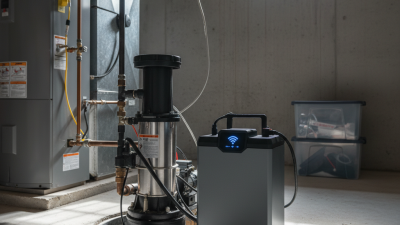
The International Energy Agency’s 2024 electricity report notes continuing variation in grid reliability across regions, so dual-power arrangements deserve attention. Choose a sealed motor, thermal overload protection, and a tested alarm circuit. Battery backup is useful, but battery capacity often receives too little scrutiny. My less comfortable conclusion: published flow figures can look impressive while hiding poor high-head performance. Ask for a complete pump curve, test conditions, certification, and duty-cycle data before approving a purchase.
Regional Standards, Installation Conditions, and Maintenance Considerations
Regional standards shape the right heavy duty sump pump choice for global buyers. Check voltage, frequency, plug design, and required electrical protection before ordering. Some regions use 115 volts at 60 hertz, while others commonly use 230 volts at 50 hertz. Certification requirements also differ, so confirm approval with a qualified local electrician. A pump can perform well in testing but fail installation rules.
Installation conditions matter as much as motor power. Measure the sump pit diameter, depth, and water inflow during heavy rain. A centrifugal pump suits many clear-water pits, while a solids-handling model works better when debris or sediment enters the basin. Keep the discharge pipe short and properly supported. Install a check valve to reduce backflow and cycling. Avoid sharp bends. They restrict flow.
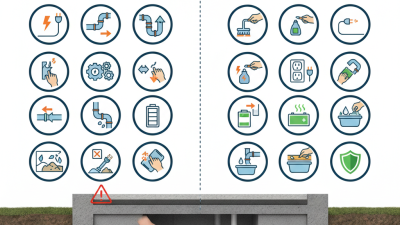
Maintenance planning should match local water quality and seasonal use. Inspect the float switch, impeller, seals, and power cable at least several times each year. Remove mud from the pit before it hardens. In coastal or chemically aggressive areas, corrosion-resistant components deserve closer attention. A backup power source may protect basements during outages, but it also needs testing. Field inspections often find neglected alarms. That is an uncomfortable detail. Buyers should record pump cycles, noise changes, and discharge performance, then question any unexplained decline. Manufacturer instructions remain useful, yet local technicians may identify conditions those instructions overlook.