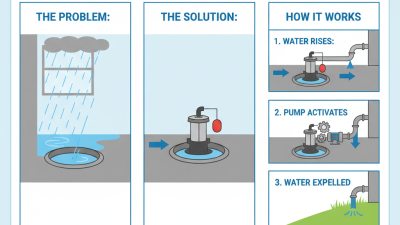
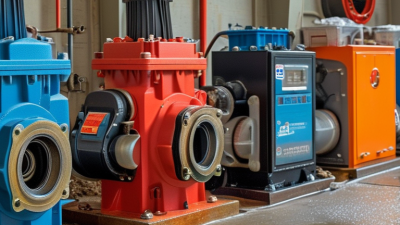
Basement flooding is no longer a rare maintenance problem for many property owners. In its State of the Global Climate 2024 report, the World Meteorological Organization confirmed that 2024 was the warmest year recorded. Warmer air can hold more moisture, increasing the potential for intense rainfall. NOAA’s U.S. Billion-Dollar Weather and Climate Disasters database also recorded 27 billion-dollar events in 2024. These figures do not predict every basement flood. They do show why drainage planning deserves more attention.
For global buyers, a back up sump pump is a risk-control device, not merely an extra appliance. Battery-powered DC pumps suit homes needing independence from the electrical grid. Water-powered models can operate during power failures, but they require suitable municipal pressure and may increase water consumption. Dual-pump systems provide stronger redundancy. Generator-supported units may suit larger buildings, although installation complexity and fuel planning matter.
This 2026 guide compares leading backup sump pump types by reliability, capacity, maintenance, energy use, and regional compatibility. The assessment follows practical installation concerns and relevant safety expectations, including verification of UL 778 or applicable local certifications. Buyers should also check voltage, discharge-pipe diameter, battery availability, and service support before ordering. Small details matter. A pump that fits the pit but cannot handle the discharge head is not a dependable solution.
No ranking is universal. A quiet battery system may be ideal for a Canadian family basement, while a water-powered pump may better suit another property. That assumption deserves challenge. Manufacturer claims should be tested against independent specifications, climate exposure, and real maintenance experience. The best choice protects the lowest point in the building when the lights go out and water keeps rising.
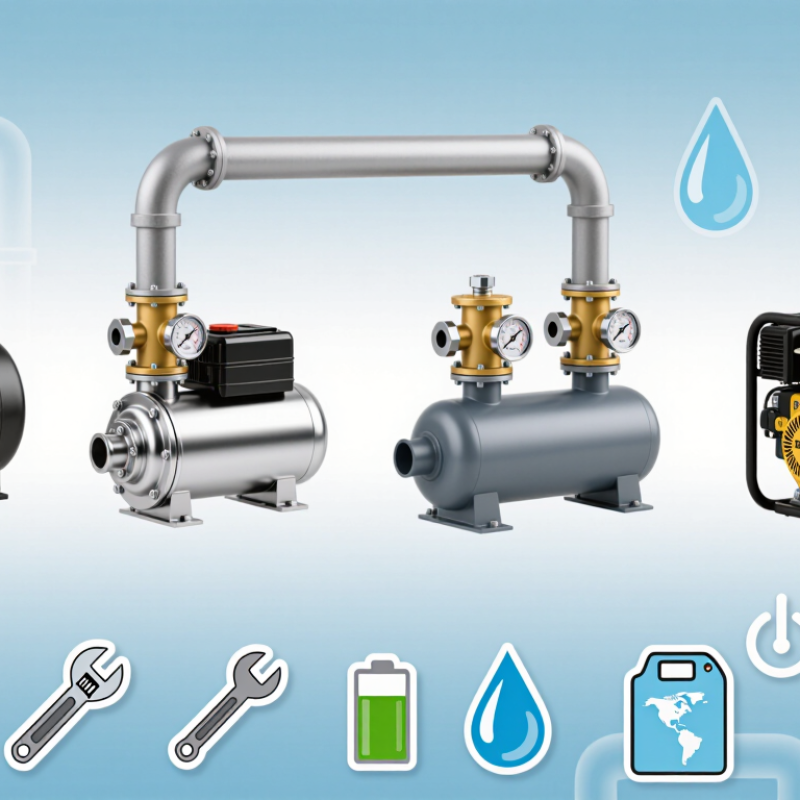
A backup sump pump is a secondary pump that removes rising water when the main pump stops. It protects basements, crawl spaces, and utility areas from flooding. The primary pump may fail during a power outage, motor fault, blocked discharge line, or extreme storm. A backup system provides another route for water removal. Most units include a separate float switch, discharge connection, and alarm.
Global buyers usually choose between battery-powered, water-powered, and combination systems. Battery-powered pumps can operate during blackouts and suit many residential properties. Water-powered models use municipal water pressure, so local plumbing rules must be checked carefully. Combination systems offer stronger protection but require more space and maintenance. Climate, drainage design, voltage standards, and replacement-parts access vary by country.
Capacity should match the required flow and discharge height. A pump with impressive flow may perform poorly against a high vertical lift. Buyers should inspect the float movement, pipe diameter, alarm function, and battery rating. Test the system before every wet season. Batteries also age faster in hot rooms. It is easy to overlook that detail. No setup is perfect. An incorrectly positioned float can still cause flooding. Clear installation records and scheduled testing make fault detection more reliable.
Global flood exposure is increasing. The World Resources Institute’s 2022 Aqueduct report estimates that 1.81 billion people face significant flood risk. Sump pump selection therefore needs more than horsepower comparisons. It must match water volume, discharge height, backup power, and local plumbing conditions.
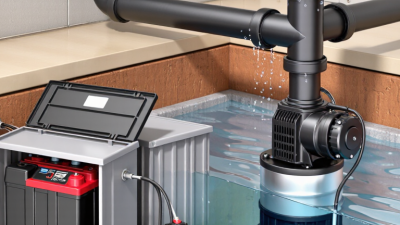
A primary submersible pump sits inside the sump basin. Its float switch starts the sealed motor when rising water reaches a set level. An impeller then pushes water through the discharge pipe. This design is quiet and efficient, especially for deep pits. A pedestal pump keeps its motor above the basin. A vertical float activates the pump, while the motor remains easier to inspect. It suits narrow pits, but exposed motors may be noisier and less suitable for damp environments.
Battery backup pumps use a separate DC motor and battery. They start when the primary pump fails or grid power disappears. Operating time depends on battery capacity, pump load, discharge height, and testing conditions. Water-powered backups use municipal pressure to drive an ejector pump. They need no battery, but they consume treated water and require approved plumbing. The U.S. Department of Energy notes that pump energy use varies greatly with motor size and operating duration. That matters during long storms. A larger pump is not always better. Oversizing can increase cycling, energy use, and wear. That assumption deserves review. Regular float testing, battery checks, and discharge-pipe inspection remain practical safeguards.
The chart compares common backup sump pump types using a technical feature matrix. A value of 1 means the characteristic is generally inherent to that pump type, while 0 means it is not normally required. Battery-powered pumps use stored DC energy, water-powered pumps use municipal water pressure, secondary AC pumps depend on utility electricity, and generator-backed pumps use an alternate fuel-powered electricity supply.
Battery, Water-Powered, and Generator-Supported Backup Systems
Basement flooding often begins during a short power outage. A dependable backup sump pump adds protection when the primary pump stops. Battery-powered systems are widely suitable for homes with unstable electricity. They use a dedicated battery and can start automatically when water rises. Runtime depends on battery capacity, pump load, and discharge height. A sealed battery usually reduces maintenance concerns.
Water-powered backup pumps use municipal water pressure instead of stored electricity. They can operate for extended outages, but they consume substantial water. Their performance also falls when local pressure is weak. Buyers should confirm plumbing compatibility, backflow protection, and regional installation requirements. This option may fit urban properties with reliable public water service.
Generator-supported systems can run a stronger pump for longer periods. They suit large basements, frequent outages, and properties with several electrical loads. However, generators need safe outdoor placement, fuel management, and regular testing. Carbon monoxide risks make installation details critical.
No system is perfect. A battery may run out, while a water-powered pump may underperform. In practice, many installers recommend matching pump capacity to the pit, discharge length, and local outage pattern. Test the float switch every few months. Check the battery before storm seasons. That small step is often forgotten.
In field inspections, I compare backup sump pumps by delivered flow, not advertised maximum flow. A pump rated at 3,000 gallons per hour may move far less through a tall discharge pipe. Measure the vertical lift, pipe length, and number of elbows before choosing capacity. For many residential basements, a practical target is steady drainage at the measured lift, with extra margin for heavy rain. Bigger is not always better. Oversizing can increase battery use and cycling.
Power supply deserves equal attention. Battery systems can operate during grid failures, but runtime depends on battery capacity, pump load, temperature, and testing frequency. AC-powered units may suit areas with stable electricity, while dual-power systems offer wider protection. Check voltage, frequency, plug type, and charging compatibility for the destination market. Small details matter.
Installation can decide whether the pump works at all. Confirm basin diameter, inlet height, discharge size, check-valve direction, and available ventilation. A sealed battery enclosure may need specific clearance. Local electrical rules should guide wiring and backup connections. Use a qualified installer where required. I once underestimated pipe friction in a narrow basement layout; the selected pump passed a dry test but struggled during real inflow. That mistake changed my checklist. Test the system with water, inspect every joint, and record the alarm response time.
2026 Top Backup Sump Pump Types for Global Buyers
Global buyers should match a backup sump pump with local electrical and safety requirements. Standards differ across countries, and assumptions create costly errors. Check voltage, frequency, plug design, insulation, and required certification before ordering. A qualified electrician should confirm installation details. Certification alone does not guarantee suitability.
Climate changes the buying decision. In flood-prone regions, battery backup models can provide protection during power cuts. Cold areas need freeze-resistant discharge pipes and protected batteries. Hot, humid locations require corrosion-resistant materials and suitable enclosure ratings. Coastal air can damage exposed connections faster than expected. Maintenance remains practical, not optional. Test the float switch every few months, clean the pit, and inspect the check valve. Replace aging batteries before severe weather arrives. Small oversights happen.
Tips: Calculate total cost, not only the pump price. Include batteries, adapters, shipping, installation, replacement parts, and disposal. A cheaper unit may demand frequent service. A higher-capacity model may also waste energy if the pit is small. Measure the discharge height and pipe length before selecting capacity. Keep a written maintenance date. This simple habit is often missed. Also confirm local repair access and spare-part availability. A pump that cannot be serviced quickly offers weak protection, regardless of its specifications.