What is a Back Up Sump Pump and When Do You Need One?
A back up sump pump is essential for protecting your basement from flooding. According to industry expert Mark Johnson, “Every homeowner in flood-prone areas should invest in a back up sump pump.” This statement underscores the importance of this device. When your primary sump pump fails, a back up sump pump steps in to prevent water damage.
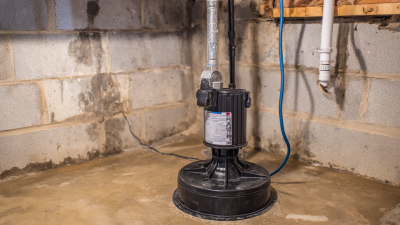
Heavy rains and power outages can lead to sump pump failures. A back up sump pump provides peace of mind. It operates on batteries or water pressure, ensuring functionality during emergencies. Investing in one can save you significant repair costs and countless headaches.
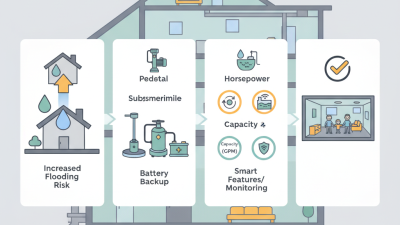
Considerations include the pump’s capacity and installation process. Many homeowners overlook these aspects, assuming a single sump pump suffices. However, a back up sump pump is a safeguard you won’t regret. Its presence can make the difference between a dry basement and a costly disaster.
What is a Back Up Sump Pump and Its Importance in Flood Prevention
A backup sump pump plays a critical role in flood prevention. In areas prone to heavy rainfall or flooding, relying solely on a primary sump pump may not be enough. Data from the National Flood Insurance Program indicates that about 90% of flood losses are not covered by insurance. Therefore, implementing a backup system can save homeowners from potential disaster.
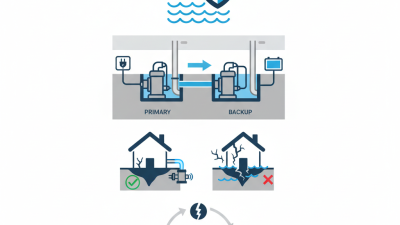
Backup sump pumps work automatically when the main pump fails due to power loss or mechanical issues. This dual protection minimizes the risk of basement flooding. According to the American Society of Civil Engineers, over 14 million households in the U.S. are at risk of flooding, making backup pumps increasingly vital. Knowledgeable homeowners recognize the importance of such systems.
Tips for Homeowners: Regular maintenance is key. Check both pumps frequently to ensure they operate properly. Additionally, consider using a battery backup system for power outages during storms. Experts recommend testing your sump pump at least once a year.
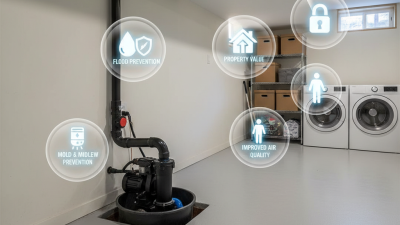
Flood prevention is a serious concern. A backup sump pump may not seem essential until the rain starts pouring. Ignoring this preventive measure can lead to costly repairs or even loss of property. Homeowners must assess their unique situations and needs thoughtfully. Planning today can make a difference tomorrow.
Key Differences Between Primary and Back Up Sump Pumps
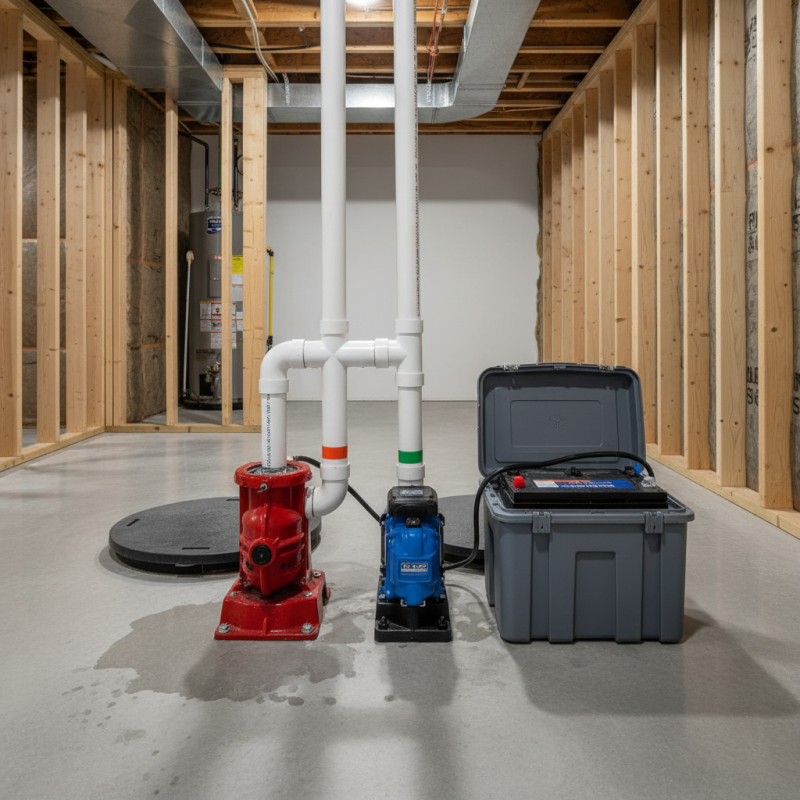
When it comes to sump pumps, understanding the key differences between primary and backup options is crucial. A primary sump pump operates as the main line of defense against basement flooding. It activates automatically when water accumulation reaches a certain level. These pumps are generally reliable and designed for regular use. However, they can fail due to power outages or mechanical issues.
In contrast, a backup sump pump provides an extra layer of protection. It activates when the primary pump fails or during severe weather events. These pumps often run on battery power or a generator. This feature ensures continued operation even when the power is out. Choosing to install a backup pump is often a wise decision for homeowners in flood-prone areas.
Tips: Regular maintenance is essential. Check your primary pump yearly and test the backup system monthly. Consider investing in a water alarm for additional security. These simple steps can provide peace of mind and help prevent costly damages. Remember, preparedness is your best defense.
Statistics on Basement Flooding and the Role of Back Up Sump Pumps
Basement flooding is a significant concern for many homeowners. Statistics indicate that nearly 60% of basements will experience some form of water damage during their lifetime. This can lead to costly repairs and health risks, including mold growth. The flooding often results from heavy rains, melting snow, or plumbing failures. This is where a back up sump pump becomes essential.
A back up sump pump offers additional protection against unexpected failures. If the primary pump malfunctions, the backup kicks in. This can prevent water from accumulating, saving you from potential disaster. Homeowners should install one, especially in areas prone to heavy rainfall. However, many neglect this crucial step. It's easy to overlook until the crisis hits.
Monitoring and maintaining both the primary and backup systems are vital. Regular checks can identify potential issues early. It's crucial to understand that while no system is foolproof, having a backup significantly reduces risk. Investing time and money into this protection can save grief in the long run.
What is a Back Up Sump Pump and When Do You Need One? - Statistics on Basement Flooding and the Role of Back Up Sump Pumps
| Statistic |
Value |
| Average annual rainfall (inches) |
38 |
| Percentage of basements that experience flooding |
15% |
| Average cost of water damage repair |
$3,000 |
| Percentage of homeowners with backup sump pumps |
30% |
| Risk of flood in a 100-year flood zone |
1% per year |
| Percentage of flooded basements that required insurance claims |
20% |
When to Consider Installing a Back Up Sump Pump for Your Home
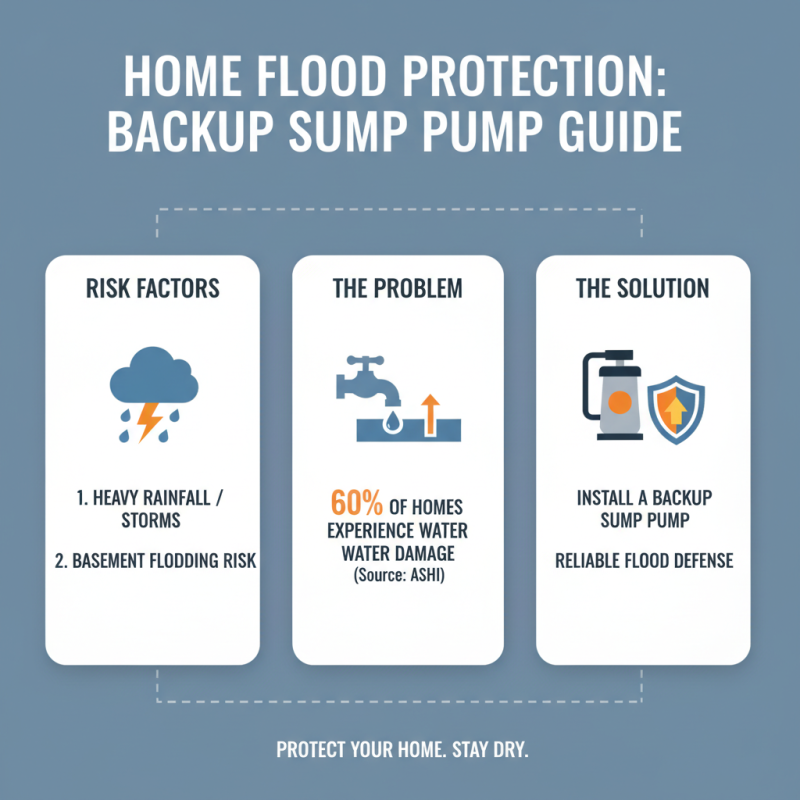
When considering a backup sump pump, it’s important to know when it’s necessary. Heavy rainfall or sudden storms can lead to basement flooding, risking damage to your home. According to the American Society of Home Inspectors, nearly 60% of homes experience some form of water damage. This statistic emphasizes the need for reliable flood protection.
If you live in an area prone to flooding or have a history of water problems, a backup sump pump is essential. Power outages during storms can disable primary pumps, leaving homes vulnerable. A study by the National Flood Insurance Program shows that properties with effective sump pump systems reduce damage claims significantly. Installing a backup system can provide peace of mind during critical times.
Even new homes can face these challenges. Many homeowners underestimate their risk. Regular maintenance is crucial, yet it often gets overlooked. Backup pumps can fail too, especially if not tested periodically. Understanding these nuances helps homeowners make informed decisions about flood prevention. Investing in a backup sump pump is not just about reducing risks; it’s about safeguarding your home from future disasters.
Cost-Benefit Analysis of Back Up Sump Pumps for Homeowners
Back up sump pumps are essential for homeowners facing potential flooding. They provide an extra layer of protection when the primary pump fails or during power outages. Understanding their costs and benefits can help you decide if they are worth the investment.
Consider the risks associated with flooding. A single incident can lead to significant property damage. The financial impact may exceed thousands of dollars. Installing a backup sump pump can mitigate long-term risks, offering peace of mind. It can cost between $400 to $1,500, depending on the model and installation. This may seem steep, but the expenses of flood damage are often much higher.
Tips: Regular maintenance of your primary pump is vital. Check for clogs or mechanical issues. Also, test the back up pump frequently to ensure it functions properly. Homeowners should weigh the costs against potential disaster costs. Often, a back up sump pump is a small price to pay for substantial protection. Each home situation is unique, demanding personal reflection on necessity. What works for one might not work for another.