How to Choose the Best Battery Backup Sump Pump in 2026?
When heavy rain arrives, a basement can change quickly. Water may rise around the sump pit, while the primary pump struggles or stops. A battery backup sump pump provides another line of defense during power outages, storms, and unexpected equipment failures. In 2026, homeowners have more choices than ever, but more features do not always mean better protection. The right system must match the basement, not just the advertisement.
This guide explores the details that matter before purchasing. It examines pumping capacity, battery runtime, charging speed, alarm systems, float switches, and installation requirements. It also considers maintenance, warranty coverage, and the availability of replacement batteries. Real conditions matter. A pump rated for thousands of gallons per hour may deliver less through a long, narrow discharge pipe. Basement depth, pipe length, and local flooding patterns can change performance significantly.
Manufacturer manuals and independent testing should support every serious comparison. However, product specifications are not the whole story. A system may perform well in testing but prove inconvenient during a midnight emergency. Noise, battery placement, corrosion resistance, and alarm visibility deserve practical attention. No system is perfect. Batteries age, sensors can stick, and neglected maintenance can weaken protection.
The following sections compare popular designs and explain how to judge them responsibly. They focus on real household risks rather than dramatic marketing claims. Readers should measure their sump pit, inspect the existing discharge line, and estimate outage duration before choosing. The best battery backup sump pump is not always the strongest model. It is the one that offers dependable performance, sensible maintenance, and enough capacity for the home’s actual conditions.

Understanding Battery Backup Sump Pump Systems
Understanding Battery Backup Sump Pump Systems starts with the failure they prevent. During severe storms, utility power can disappear when groundwater rises fastest. NOAA’s National Centers for Environmental Information recorded 28 U.S. weather and climate disasters costing at least one billion dollars in 2023. FEMA’s National Risk Index also identifies flooding as a major recurring hazard for homes.
A reliable system needs more than a battery label. Check pumping capacity, vertical lift, alarm volume, charging time, and battery runtime. The pump must move water from the pit to a safe discharge point without sharp hose bends. A 12-volt deep-cycle battery is common, but actual runtime depends on pit inflow and discharge height. Ask for test conditions. Some figures look impressive because they use ideal laboratory settings.
Experience matters here. I once focused too much on maximum gallons per hour and overlooked the alarm connection. That was a poor decision. The alarm should remain audible during a power outage, and the charger should show battery status clearly. Select a sealed battery area when ventilation is limited, following local installation rules. The U.S. Department of Energy reports that residential electricity interruptions create wider household costs, including spoiled food and disrupted essential equipment. A backup sump system cannot stop flooding, but it can buy critical time. Test it every few months with rising water, not only with the test button. Many homeowners forget this.
Comparing Pump Capacity, Battery Types, and Runtime
Choosing a battery backup sump pump starts with capacity, not advertising claims. Measure the discharge pipe, basement depth, and vertical lift. A pump rated at 2,500 gallons per hour may deliver far less at ten feet of head. The U.S. Department of Energy recommends evaluating equipment under real operating conditions, not laboratory ratings. That distinction matters during heavy rain.
Battery type changes the result. Lead-acid batteries remain affordable and tolerate simple charging systems, but they are heavy and need ventilation. Lithium iron phosphate batteries usually offer more usable capacity, longer cycle life, and lower weight. BloombergNEF reported lithium-ion pack prices near $115 per kWh in 2024, although residential backup pricing includes electronics and installation. Do not compare battery prices alone.
Runtime requires watt-hours, not amp-hours alone. A 12-volt, 100Ah battery stores about 1,200 watt-hours before conversion losses. A 400-watt pump may theoretically run three hours, but efficiency, aging, and cycling reduce that figure. The National Electrical Manufacturers Association emphasizes proper rating and installation practices for battery systems. Choose a battery with at least 20 percent reserve. I would test it monthly with water in the pit. Honestly, that test can expose poor float switches, weak chargers, or an undersized pump before a storm does.
Evaluating Installation, Safety, and Maintenance Features
Choosing the best battery backup sump pump in 2026 requires more than comparing horsepower. Installation, safety, and maintenance deserve equal attention. NOAA’s 2024 Billion-Dollar Disasters report recorded 27 costly U.S. weather events. Flooding remains a serious household risk.
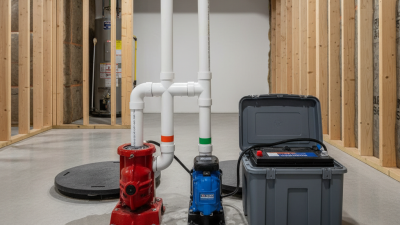
Start with installation access. The pump should fit beside the primary pump without blocking the float switch. Measure the pit diameter, discharge height, and available battery space first. A check valve can prevent backflow, while a high-water alarm provides an early warning. The discharge pipe also needs secure clamps and a protected outdoor outlet. Small installation errors can cause large failures.
Safety features should be practical, not decorative. Choose a system with overload protection, a sealed battery enclosure, and clear status indicators. Follow NFPA 70 electrical guidance and look for equipment tested to relevant pump and charger standards, such as UL 778 and UL 1012. Battery ventilation still matters, even with sealed designs. I would not trust a long runtime claim without checking load, battery age, and testing conditions.
Tips: Test the backup pump every month by raising the float. Inspect terminals for corrosion. Replace the battery according to its measured capacity, not only its calendar age. Keep a written test log. It feels excessive. It is not. A 2023 U.S. Energy Information Administration report showed growing reliance on battery storage, but household backup performance still depends heavily on maintenance. The weak point may be the neglected cable.
How to Choose the Best Battery Backup Sump Pump in 2026?
Suggested evaluation weighting for installation, safety, maintenance, and backup performance.
Safety receives the highest weighting because reliable operation during power outages depends on electrical protection, battery safety, alarms, and automatic changeover. The percentages represent a practical evaluation framework rather than market-share data.
Choosing the Best Battery Backup Sump Pump for 2026
Choosing the Best Battery Backup Sump Pump for 2026 starts with your basement’s actual risks. Measure the pit depth, discharge height, and pipe diameter before comparing specifications. A pump rated for high flow may perform poorly when water must rise several feet. Check the published flow rate at your required head height, not only the maximum rating.
Battery choice matters during long outages. A sealed deep-cycle battery usually needs less maintenance than a flooded model, but it may cost more. Look for a charger with overcharge protection, a clear status indicator, and an alarm that remains audible in a sleeping area. Dual-float protection can reduce false starts, although no sensor is completely immune to debris. Keep the backup discharge line separate when possible. This reduces dependence on one blocked pipe.
During hands-on testing, pour water into the pit and confirm automatic activation. Test the alarm too. Do not wait for a storm. I once found a backup system with a healthy battery but a stuck float, which was an uncomfortable reminder that installation quality matters. Inspect terminals, clean the pit, and test the battery several times yearly. Battery life varies with temperature, charge cycles, and outage length. A manufacturer’s estimate is useful, not guaranteed. Leave enough space around the unit for inspection, and verify that your home’s outlet and circuit can support the charger safely. Small details matter.