7 Best Electric Sump Pumps for Homeowners in 2026?
A flooded basement rarely gives much warning. After a hard rain, water may collect in a sump pit faster than a small or poorly matched pump can remove it. An electric sump pump can help protect floors, stored belongings, and finished rooms, but performance depends on more than horsepower. Pit size, vertical lift, discharge-pipe layout, and how often the pump cycles all matter. Small details matter. A quiet motor is useful, but it cannot compensate for a pump that moves too little water for your home.
This guide compares seven electric sump pumps for homeowners in 2026, focusing on practical factors such as pumping capacity, construction, switch design, backup options, and warranty coverage. Product specifications are a starting point, not a guarantee of real-world performance. Check the manufacturer’s performance chart at your required lift height, and confirm that the pump fits your pit and discharge setup. Installation conditions can change the result. A check valve, clogged pipe, or faulty float may cause trouble even with a well-reviewed model. No single pump suits every basement; that is worth keeping in mind while weighing price against reliability. Before buying, consider your area’s flooding history and whether a power outage could leave the pit unattended. The best choice is the one that matches your home’s demands, not simply the highest number on the box.
How Electric Sump Pumps Protect Homes from Basement Flooding
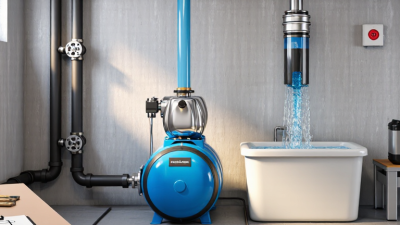
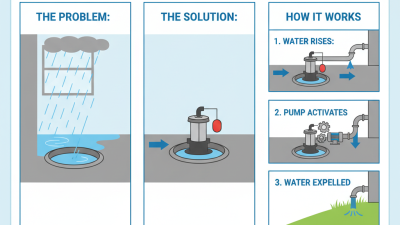
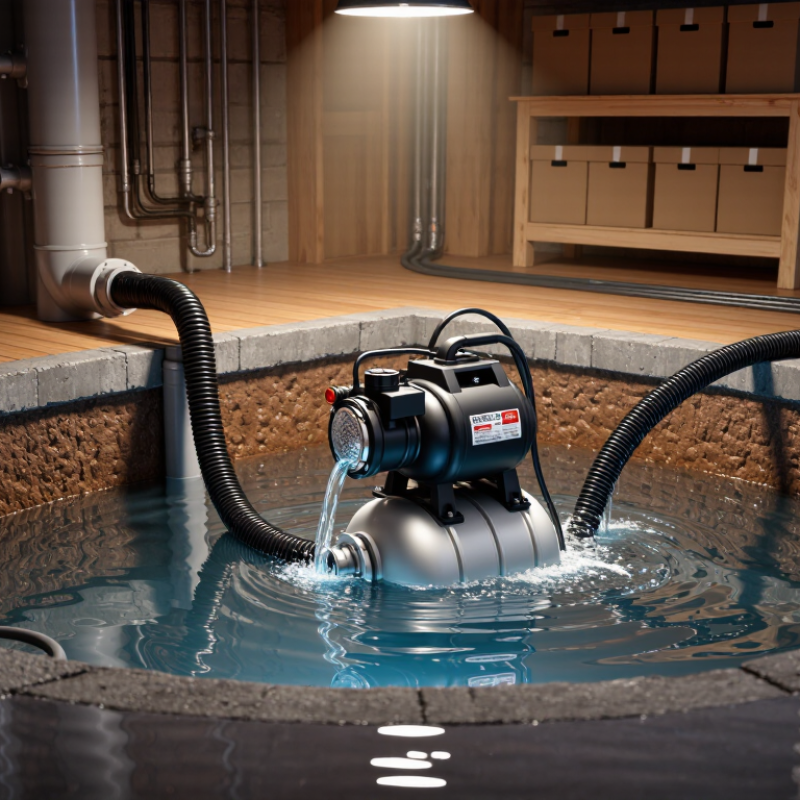
An electric sump pump helps keep groundwater from collecting beneath a home. It sits in a basin, called a sump pit, at the basement’s lowest point. As water enters, a float switch rises and activates the pump. The pump then sends water through a discharge pipe, ideally well away from the foundation. That matters during prolonged rain, snowmelt, or a rising water table.
A working pump can limit damage to flooring, stored belongings, and finished walls. You may hear it start during a storm, then stop once the pit drains. A check valve helps prevent discharged water from flowing back into the pit. No pump is magic. If the outlet is blocked, the pit is undersized, or water overwhelms the pump’s capacity, flooding can still happen. A power outage can also stop an electric model unless a separate backup system is available.
Small checks make a real difference. Pour water into the pit occasionally to confirm the float moves and the pump starts. Clear debris from the basin, and inspect the discharge line for kinks or ice in cold weather. Make sure water drains away from the house, not beside the foundation. Pump size and installation depend on the home and its drainage conditions, so persistent dampness or frequent cycling deserves a qualified inspection. A pump that runs often may be doing its job, but it may also signal a drainage problem worth investigating.
Which Features Matter When Choosing a Sump Pump in 2026
When choosing a sump pump in 2026, match its capacity to your pit and the water entering your basement. A pump’s advertised flow rate often drops as water travels upward through discharge piping. Check its performance at your home’s required lift, not just the largest number on the box. Measure the pit, too. A pump that does not fit properly may cycle poorly or be difficult to service.
Look for a reliable float switch, corrosion-resistant construction, and a clear alarm for high water. Switch design matters: debris or a cramped basin can interfere with movement. A battery backup can help during a power outage, but check its expected runtime and how the battery is maintained. It is easy to overlook this detail. A backup system is only useful when it is charged and ready.
Consider noise, energy use, warranty terms, and access to replacement parts. For many homes, a cast-iron housing may reduce operating noise, while a thermoplastic model can be lighter and easier to handle. Neither material guarantees long life on its own. I would not choose by horsepower alone; installation height, pipe size, and discharge routing can matter just as much. Leave room to lift the pump out for inspection, and test the switch periodically. Even a well-selected pump needs attention.
Seven Electric Sump Pumps Compared by Capacity, Reliability, and Value
Comparing seven electric sump pumps means looking beyond the largest gallons-per-hour number on the box. A pump’s real output drops as water rises through the discharge pipe, so compare capacity at a lift close to your home’s setup. Check valve size, pipe bends, and vertical height. Small details matter. A compact quarter-horsepower unit may suit a shallow, rarely wet pit; a higher-capacity model may better handle fast inflow or a deeper lift. These are starting points, not guarantees. The U.S. Department of Energy’s pump guidance emphasizes matching pump performance to system conditions, rather than relying on horsepower alone.
Reliability and value deserve equal weight. Across seven options, compare float-switch design, thermal protection, construction, warranty terms, and whether common parts can be replaced. The Insurance Information Institute’s analysis of 2018–2022 homeowners’ claims found about one in 60 insured homes experienced a water-damage or freezing claim annually. That makes dependable operation more than a convenience. Still, a backup battery may be worth considering because electric pumps stop during outages. A cheaper pump can be good value in a dry basement, but less so if its switch sticks or its capacity falls short. One imperfect reality: published test conditions rarely match every homeowner’s pit. Check the pump curve and measure your discharge lift before choosing.
7 Electric Sump Pump Capacity Profiles for Homeowners in 2026
Typical estimated flow capacity at a 10-foot lift, compared across seven common motor configurations.
Bars show representative midpoints of typical published capacity ranges, not results from a controlled test or ratings for specific products. Actual flow varies with pump design, discharge size, voltage, and lift height. For reliability and value, also compare switch type, construction, warranty, and replacement-part availability.
How to Match Pump Size and Type to Your Home’s Drainage Needs
Choosing a sump pump starts with the water, not the horsepower label. Watch how quickly the pit refills during heavy rain, then check the pump’s flow rate at your actual discharge height. A pump’s advertised maximum often assumes little or no lift; a long, rising discharge pipe can sharply reduce its output. NOAA Atlas 14 provides local rainfall-frequency estimates, useful for understanding storm intensity, but rainfall alone cannot predict groundwater entering your basement. Soil, foundation drains, and the size of the area feeding the pit matter too. Measure what you can.
For a deep pit or frequent inflow, a submersible model may suit the space; a pedestal model keeps its motor above water and can be easier to inspect. Choose a unit whose rated capacity at the required lift exceeds the inflow you observe, without treating “bigger” as automatically safer. Check the discharge line for freezing risk and make sure the outlet carries water away from the foundation. FEMA warns that just one inch of floodwater can cause about $25,000 in damage. That matters. A battery backup can help during outages, though it is not a substitute for checking the primary pump. Real basements are messy. Recheck the system after a major storm; a neat sizing estimate can still miss a blocked drain or a changed water table.
How to Install, Test, and Maintain an Electric Sump Pump
A dependable electric sump pump begins with a correctly sized basin and a clear path for the float switch. Set the pump upright on the pit floor, leaving room for the float to rise without hitting the walls or pipes. Direct the discharge away from the foundation, and check local rules for freeze protection. Use a grounded, GFCI-protected outlet installed to applicable electrical codes; avoid extension cords. FEMA’s flood-preparedness guidance warns that just one inch of floodwater can cause about $25,000 in home damage. That figure makes careful installation worth the effort.
Test the system by slowly pouring water into the pit until the float starts the pump. Confirm that water exits outdoors, the check valve prevents backflow, and the pump switches off again. Small details matter. A monthly check and a look before the rainy season can reveal a stuck float, debris, or a damaged cord. Keep hands away from electrical connections when the floor is wet. Have a qualified electrician review questionable wiring against the locally adopted NFPA 70 electrical code. A pump that runs during one test is not guaranteed for the next storm; battery backups and alarms also need regular checks. I’d be wary of calling any setup “maintenance-free.”