How to Choose the Best Battery Powered Sump Pump for Your Needs
Choosing the right battery powered sump pump can be a daunting task. With so many options available, it’s essential to understand your unique needs. This guide focuses on what you should consider, making the selection process easier.
Battery powered sump pumps are vital for preventing flooding. They offer reliability when electrical sources fail. However, not all models are created equal. Factors like capacity, durability, and battery life are crucial. A small adjustment in one feature can change the pump's effectiveness significantly.
Reliable information is essential in making your choice. Reading user reviews and expert recommendations can provide valuable insights. It’s also essential to assess potential shortcomings of each model. Understanding these trade-offs will lead to a more informed decision. Ultimately, selecting the best battery powered sump pump requires careful consideration of your specific circumstances and preferences.
Understanding Sump Pumps: Types and Functions Explained
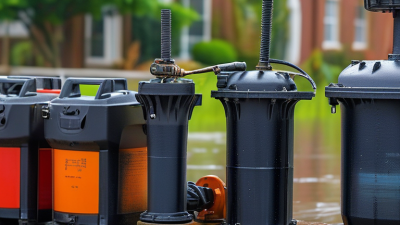
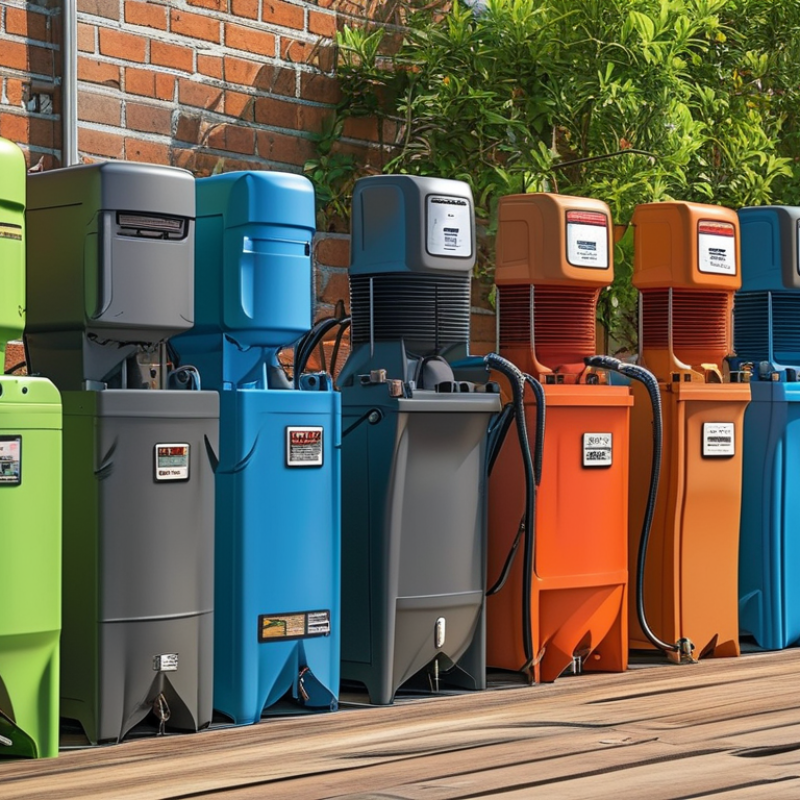
Sump pumps play a vital role in managing water in basements and crawl spaces. They prevent flooding by removing excess water. There are mainly two types: pedestal and submersible pumps. Pedestal pumps have a motor mounted above the sump basin, making maintenance easier. Submersible pumps sit underwater, which helps with noise reduction and efficiency.
Consider the pump's capacity before purchasing. Knowing the flow rate is crucial for choosing the right model. A higher flow rate means faster water removal. Assess your specific needs based on your basement's size and the frequency of water intrusion.
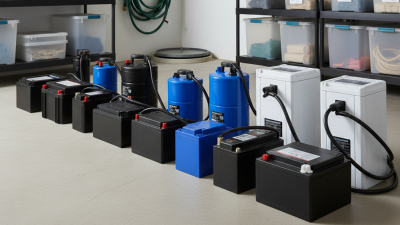
When selecting a battery-powered sump pump, check its run time and battery type. Some batteries last longer, while others charge faster. Look for models with alarms to alert you in case of failure. Regular maintenance is essential; even the best pumps can fail without proper care. If the pump is too noisy or vibrates excessively, it might need adjustments.
Key Considerations for Selecting a Battery Powered Sump Pump
When selecting a battery powered sump pump, consider several key factors. Battery capacity is essential; a larger capacity means the pump can run longer during a power outage. Look for models with a minimum of ten amp-hours. This often ensures performance when you need it most. Additionally, pay attention to the pump's flow rate, measured in gallons per minute (GPM). A higher GPM rate is advantageous, particularly if your property is prone to flooding.
Evaluate the build quality as well. Pumps constructed from durable materials tend to last longer and withstand harsh conditions. Sometimes, lighter pumps may seem easier to handle but could compromise on durability. Ensure the pump includes a reliable float switch for automatic operation. This feature activates the pump when water levels rise, offering peace of mind during severe weather.
Don’t overlook maintenance requirements. Some systems are more user-friendly than others when it comes to upkeep. Regular checks can help avoid unexpected failures. Consider your environment too; where will you be installing the pump? Understanding your specific needs will lead you to the right choice. Every situation is unique, and wrong decisions can lead to significant distress. So, take your time and analyze all options before purchasing.
Evaluating Pump Performance: Flow Rate and Head Height Importance
When selecting a battery-powered sump pump, understanding flow rate and head height is crucial. Flow rate refers to how much water a pump can move in a given time, often measured in gallons per minute (GPM). A higher flow rate indicates a more powerful pump. However, excessive power can lead to increased energy consumption and higher costs. Aim for a balance between efficiency and performance, matching the pump's capacity to your specific needs.
Head height, or the vertical distance a pump can move water, is another critical factor. It impacts the pump's ability to function effectively in various situations. If you need to remove water from a deep basement, for example, you’ll need a pump with a higher head height. However, not all scenarios require maximum head height. Assess your environment first; understanding the elevation can prevent overspending on unnecessary capabilities. Reflecting on your unique space allows for a more tailored and cost-effective approach.
Battery Life and Maintenance: Maximizing Your Sump Pump Efficiency
Choosing the right battery-powered sump pump involves understanding its battery life and maintenance needs. Battery life is critical. A sump pump should ideally run for at least 5-7 hours during power outages, according to industry reports. Regularly checking the battery's charge level can prevent unexpected failures.
Maintenance is key to maximizing the efficiency of your sump pump. Poor maintenance can lead to short lifespan and performance issues. Ensure the battery terminals are clean and connections are secure. As per expert sources, neglecting these aspects can reduce battery life by up to 50%.
Frequent testing of the pump's function is advisable. Run the pump every few months. Listen for unusual noises and inspect for leaks. Remember, even high-quality batteries can degrade over time, especially in harsh conditions. Regular maintenance can help you catch potential problems early and extend your pump’s reliability.
Battery Life and Maintenance of Sump Pumps
Comparing Top Brands: Industry Standards and Customer Ratings
When selecting the best battery-powered sump pump, understanding industry standards and customer ratings is essential. According to recent reports, nearly 68% of buyers prioritize pump performance, while 15% focus on battery life. These metrics reveal that efficiency and longevity are paramount for homeowners. Customer reviews often highlight brands based on real-life experiences, providing insights into reliability and maintenance needs.
Another critical aspect is noise levels. Research shows that 40% of users are concerned about potential noise during operation. A quiet model can significantly enhance user satisfaction. Additionally, durability plays a vital role; many customers report dissatisfaction when pumps fail after short periods. Such experiences emphasize the need to examine warranties and user feedback carefully. Typically, pumps with longer warranties correlate with higher confidence in build quality.
Consider also the ease of installation. Reviews indicate that 25% of consumers face challenges during setup. This highlights the need for clear instructions and user-friendly designs. Making informed decisions based on these factors can prevent poor choices that lead to frustration. Through careful consideration of industry standards and actual user ratings, finding a suitable sump pump becomes a manageable task.
How to Choose the Best Battery Powered Sump Pump for Your Needs
| Model |
Max Flow Rate (GPH) |
Battery Life (Hours) |
Weight (lbs) |
Customer Ratings (out of 5) |
Price ($) |
| Model A |
3000 |
8 |
15 |
4.5 |
199.99 |
| Model B |
2800 |
6 |
14 |
4.0 |
179.99 |
| Model C |
2500 |
10 |
12 |
4.7 |
219.99 |
| Model D |
3200 |
5 |
16 |
4.2 |
239.99 |
| Model E |
2700 |
7 |
13 |
4.6 |
169.99 |