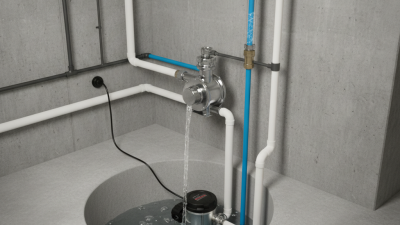
Water backup can turn a quiet basement into a costly problem overnight. A floor drain may bubble during heavy rain. A sump pump may stop when power fails. For global buyers, the challenge is comparing products built for different buildings, climates, and service conditions. A pump that performs well in one home may be poorly matched to another.
Water-resilience consultant Elena Morris puts the principle plainly: “A backup plan is only useful if it works when the primary system fails.” Buyers should test that idea against real details: pump capacity, backup power, alarm visibility, discharge routing, and access for maintenance. Check whether specifications use comparable units. Confirm replacement parts and local service are available. Ask how the system behaves during a prolonged outage. Small print matters.
This guide examines ten practical water backup tips for evaluating equipment and reducing avoidable surprises. It covers site assessment, pump selection, alarms, battery limits, installation questions, and routine testing. A glowing product sheet is not proof of performance. Nor does one successful test guarantee protection in every storm. Keep records. Recheck assumptions when the building changes. These steps cannot remove every risk, but they can make decisions clearer and failures easier to spot.
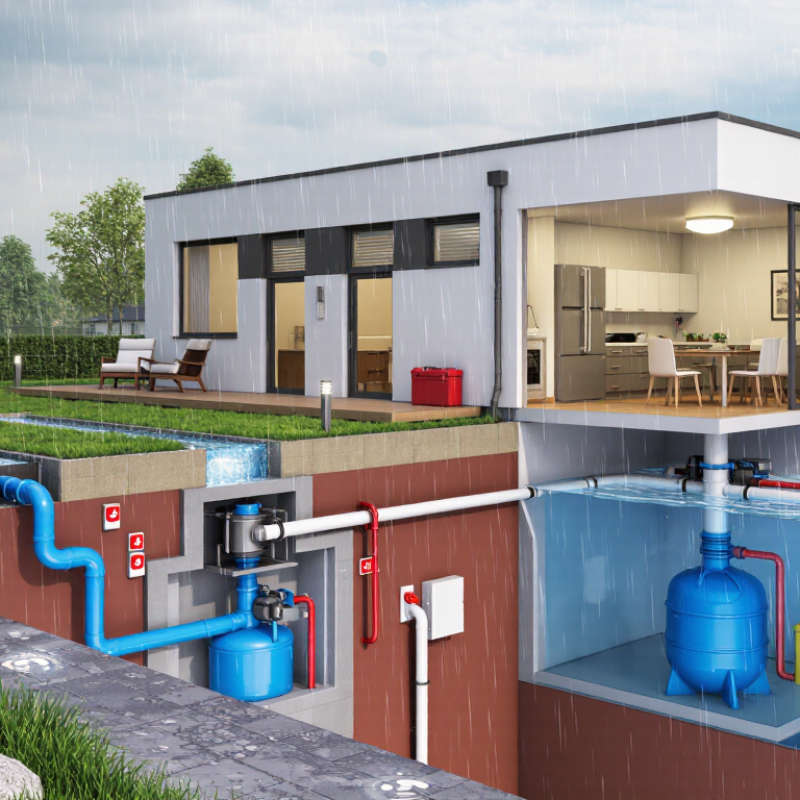
Water backup planning starts with use, not tank size. A clinic, a farm, and a coastal hotel face different risks. List essential uses separately: drinking, handwashing, cleaning, irrigation, or production. Estimate daily demand and how long a disruption could last. A small rural site may need days of reserve; a city building may prioritize short interruptions.
Tips: Map the likely outage, from dry-season shortages to storm damage. Keep drinking water separate from utility water. Check source quality, storage temperature, and turnover with qualified local specialists. A tank that looks adequate on paper may not meet actual peak demand.
Compare regional conditions before choosing a system. Heat can affect stored water, while freezing weather can damage exposed pipes. Remote locations may need simpler maintenance and easier-to-source replacement parts. Check transport access, power reliability, and local water testing options. Requirements differ by place, so confirm applicable guidance with local authorities and technical professionals. Field experience matters here: delivery delays and routine cleaning are easy to underestimate. A spreadsheet can still miss the awkward detail of who refills the system during a long outage.
A backup water plan should compare sources, not just tank sizes. Municipal storage can bridge a short interruption, but it may share the same vulnerability as the main supply. A private well needs power and routine testing. Rainwater collection depends on rainfall, roof condition, and suitable treatment. Delivered water can help in emergencies, though access may be delayed. No source is fail-proof.
The system must match the intended use. A covered, food-safe tank can store water, while sediment filtration may protect plumbing and equipment. Drinking water may need additional treatment, guided by local health advice and water testing. Keep untreated and treated supplies separate. That detail is easy to miss. Pumps, filters, and disinfection equipment also need maintenance, spare parts, and a power plan. A technically capable setup can still fail if nobody checks it.
Estimate capacity from daily demand and likely outage duration, then add a practical reserve. For example, four people using a planning allowance of 15 liters per person daily would need 420 liters for seven days for drinking and cooking alone. This is not a universal standard, and it excludes washing and sanitation. Check usable tank volume, not only its advertised capacity. Space, heat, freezing risk, and water rotation can change what works. The arithmetic looks neat; real demand often isn’t.
| # | Backup Source or System | Capacity and Planning Guide | Best Suited For | Buyer Checks |
|---|---|---|---|---|
| 1 | Stored drinking water | Plan at least 4 L (about 1 US gallon) per person per day for drinking and basic food preparation; store more for hot climates, illness, or longer outages. | Immediate emergency use and short interruptions | Use food-grade, tightly sealed containers. Follow local public-health guidance for storage duration and replacement. |
| 2 | Portable water containers | Common container sizes include 10–20 L; calculate the number needed from household size and planned days of supply. | Homes without a fixed storage tank, travel, and evacuation kits | Check filled weight, safe lifting, cap design, material suitability, and whether the container can be cleaned. |
| 3 | Rainwater collection with a storage tank | Estimated yield: roof area (m²) × rainfall (mm) × collection efficiency (typically below 1) = litres collected. For example, 50 m² of roof and 10 mm of rain at 0.8 efficiency yields about 400 L. | Rainy regions and properties with suitable roof space | Check seasonal rainfall, roof materials, first-flush diversion, screened inlets, overflow routing, and local rules. Treat water appropriately before drinking. |
| 4 | Private well with a backup power plan | Usable supply depends on well yield, pump rate, water level, and power availability; have the well tested rather than assuming a fixed capacity. | Rural or off-grid properties with a reliable aquifer | Confirm water quality, sustainable yield, pump and pressure-tank condition, electrical requirements, and permitted backup-power connection. |
| 5 | Gravity-fed storage tank | Size the tank using daily demand × outage days. A 1,000 L tank holds up to 1,000 L before allowing for unusable volume and reserve. | Sites where elevated storage can provide water during a power outage | Check structural support, tank material, secure lid, inlet and outlet fittings, overflow, and whether the elevation provides sufficient pressure. |
| 6 | Rainwater or well-water treatment system | Choose treatment by required flow rate and daily volume; filter capacity varies with water quality, cartridge type, and maintenance. | Properties using untreated or variable-quality sources | Match treatment to a laboratory water test. Filtration alone may not remove all pathogens or dissolved chemicals; verify the treatment claim and replacement schedule. |
| 7 | Water purification tablets or approved disinfectant | Use only the amount stated on the product label for the specified water volume; treatment time can vary with product and water temperature. | Portable emergency treatment when safe stored water is unavailable | Check local health-agency advice, expiry date, water clarity requirements, and whether the method addresses the likely contaminants. |
| 8 | Portable filtration unit | Compare rated flow and total treatment capacity; actual output can fall as filters clog or water conditions change. | Small households, travel, and point-of-use backup | Confirm which organisms and contaminants are reduced, whether disinfection is also needed, and the availability of replacement elements. |
| 9 | Manual transfer pump | Output depends on pump design, lift height, hose size, and operator effort; check the stated flow at the intended operating conditions. | Moving water from a cistern, drum, or shallow source without mains power | Verify compatible connections, maximum suction lift, materials in contact with water, and whether the source itself is safe to use. |
| 10 | Delivery or community refill plan | Plan around supplier delivery volume and lead time, and keep enough on-site storage to cover expected delays. | Dense urban areas, seasonal shortages, or properties with limited space | Identify a verified local source, confirm delivery access and water-quality documentation, and prepare a safe, clean storage option. |
Planning note: Water needs and legal requirements vary by location, climate, household size, and intended use. The 4 L per person per day figure is a practical minimum for drinking and basic food preparation, not a complete hygiene allowance. WHO emergency guidance commonly uses 7.5–15 L per person per day for basic needs, depending on the situation. Confirm requirements with local authorities and test untreated sources before drinking.
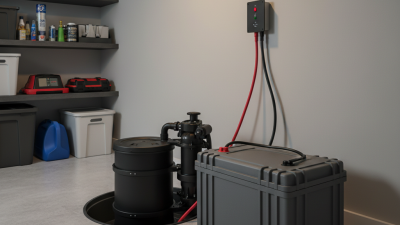
Water-backup equipment may sit unused for months, then face a sudden leak or outage. Ask for measured pump flow, not just a headline capacity. Check tank materials, seal quality, corrosion resistance, and the stated operating temperature. Small details matter. Inspect battery runtime, alarm volume, automatic switching, rated voltage, enclosure protection, and spare-part availability. Request test reports tied to the exact model you plan to buy.
Safety documents need to match the destination market and product type. Confirm which electrical, material, and water-contact requirements apply locally; standards are not interchangeable everywhere. Ask suppliers for current certificates, test methods, and the name of the testing body. Verify model numbers across the product label, report, and manual. Read installation instructions closely. A safe unit can still be installed incorrectly.
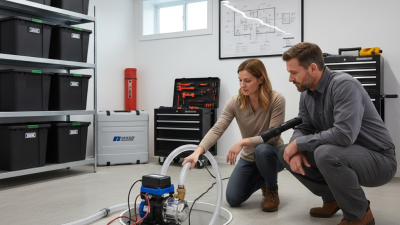
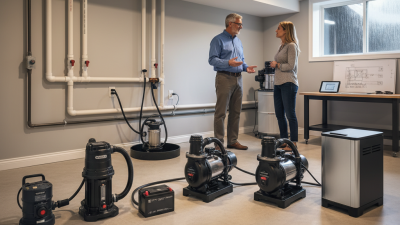
Before placing a large order, inspect a sample and test the alarm, backup power, and restart behavior under realistic conditions. Keep records of the checks and clarify who handles damaged units or missing components. A polished brochure is useful, but it cannot replace evidence. I would still treat a short sample test as limited: it may not reveal failures after years of storage, humidity, or repeated cycling.
Use water quality requirements as one part of your backup-water product review. This chart shows selected US EPA maximum contaminant levels (MCLs); it is not a product certification or a substitute for local rules. Before buying, verify product materials, independent test reports, relevant safety certifications, and the requirements of the destination market.
Source: US EPA, National Primary Drinking Water Regulations. Limits shown in mg/L; nitrate and nitrite values are measured as nitrogen. Local requirements may differ.
A reliable water backup plan starts with the actual need: drinking water, utility outages, or equipment failure. Confirm capacity, materials, connection sizes, and whether the system suits potable or non-potable water. Ask suppliers for product specifications, inspection records, and clear packaging details. Compare a sample with your requirements before placing a large order. A low price can hide a mismatch.
Shipping deserves equal attention. Check packed dimensions and weight, then confirm how the goods will be protected from impact, moisture, and long transit times. Agree on shipment quantities and delivery milestones in writing. Keep manuals, spare-part lists, and installation drawings accessible before the shipment arrives. Small details matter. They are easy to overlook.
Before installation, verify inlet and outlet sizes, available pressure, drainage, and power needs. Have a qualified installer check the site, then test the system under realistic conditions. Record the results. For stored water, use clean, sealed containers and follow local public-health guidance for handling and replacement. For backup equipment, keep it dry, accessible, and protected from extreme heat or freezing. A forgotten maintenance date can undo careful planning. Keep a simple log, even if it feels unnecessary.
Reliable water backup starts with supplies that match the building and its local conditions. Store potable water in clean, sealed containers, and check dates and seals on a set schedule. In hot climates, storage areas need shade and good ventilation. In colder regions, protect containers and pipes from freezing. Keep spare batteries, approved filters, and compatible fittings nearby. Small details matter.
Tips: Label each container with its fill date. Rotate stored water according to public health guidance. Test backup pumps, alarms, and battery systems every few months, following the equipment manual. Run the system long enough to spot weak flow, unusual noise, or leaks. Keep a simple log. It may feel tedious, but missed tests are easy to forget.
Buyers working across countries should confirm that replacement parts and maintenance support are available locally. A pump that works during installation may fail after months of inactivity. Arrange a safe power-loss test with a qualified technician when needed. Check that discharge routes are clear and that stored supplies remain accessible. No plan is perfect. Revisit it after renovations, seasonal changes, or a change in household needs.