
Why Does Water Backup Happen?
Water backup happens when water cannot move through a drainage system as designed. Instead of flowing away, it returns through sinks, toilets, floor drains, or basement fixtures. The water rises. Sometimes the cause is a simple blockage, such as grease, hair, paper, or sediment trapped inside a pipe. Other cases involve damaged sewer lines, tree roots, heavy rainfall, or an overloaded municipal system. Each cause leaves different clues.
A slow kitchen drain may suggest buildup near the sink. Several affected fixtures can indicate a deeper blockage or a main sewer problem. Gurgling sounds, unpleasant odors, and water appearing in a basement drain deserve attention. That detail matters. A professional plumber can inspect flow patterns, use a drain camera, and identify damage without guessing. Local drainage records may also reveal recurring neighborhood issues, especially after storms. Still, no explanation fits every home. Old pipes, recent remodeling, and improper slope can change the situation. I have found that homeowners often notice the smell before seeing the water, yet that warning is easy to dismiss. It should not be.
Prompt action can limit contamination and structural damage. Avoid using fixtures connected to the affected drain until the source is understood. Keep children and pets away from standing water. Take photographs, record when the problem began, and contact a qualified plumbing professional. Do not rely on repeated chemical treatments; they may damage pipes or complicate repairs. A careful diagnosis is less dramatic, but usually more reliable. Water backup is not merely an inconvenience. It can signal a failing system that needs evidence-based attention.
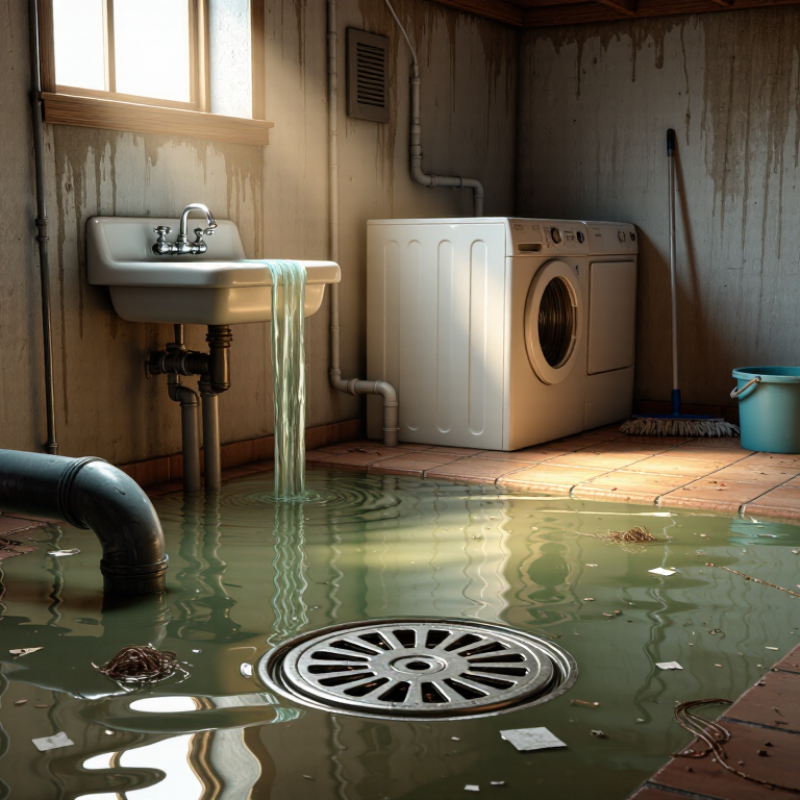
What Is Water Backup and How Does It Occur?
Why Does Water Backup Happen?
What Is Water Backup and How Does It Occur?
Water backup occurs when wastewater or rainwater cannot flow through a drainage system normally. It may then reverse direction and enter a home through a floor drain, sink, toilet, or shower. The water often carries a strong odor and may contain harmful contaminants.
Several conditions can trigger this problem. Grease, paper products, and accumulated debris can narrow a pipe until water meets resistance. Tree roots may enter small pipe joints and grow inside the line. Heavy rainfall can also overload public sewers, forcing water toward private connections. A failed sump pump creates another risk, especially when groundwater rises quickly around a basement.
The warning signs are easy to miss. A toilet may bubble, drains may empty slowly, or water may appear around a basement drain after rain. During inspections, professionals often check cleanouts, drain flow, pump operation, and pipe condition. These details help separate a local blockage from a larger sewer problem.
No inspection is perfect. A clear pipe today can still fail tomorrow if roots continue growing or rainfall becomes unusually intense. Regular drain maintenance helps, but it cannot prevent every backup. When contaminated water enters a room, avoid direct contact and arrange a qualified assessment before cleaning or repairs begin.
Why Does Water Backup Happen? - What Is Water Backup and How Does It Occur?
| Water Backup Dimension | What It Means | How It Occurs | Common Warning Signs | Potential Impact | Recommended Response |
|---|---|---|---|---|---|
| Definition | Water backup | Unwanted water flows backward or rises through a plumbing, drainage, sewer, or sump system instead of leaving the property normally. | Slow drains, gurgling pipes, standing water, or water appearing in a lower-level fixture. | Moderate to high | Stop using nearby plumbing fixtures and identify the source before cleanup begins. |
| Drain blockage | Obstructed household drain | Hair, grease, food particles, paper products, or foreign objects restrict the passage of wastewater. | Repeatedly slow drainage, foul odors, bubbling water, and backups when another fixture is used. | Moderate | Reduce water use and have the affected drain inspected and cleared by a qualified professional. |
| Sewer line failure | Blocked, damaged, or collapsed sewer lateral | Tree-root intrusion, soil movement, corrosion, joint failure, or accumulated debris limits wastewater flow. | Backups in multiple fixtures, sewage odors, wastewater in floor drains, or recurring problems. | High | Avoid contact with contaminated water and arrange a sewer-line inspection and repair. |
| Heavy rainfall | Stormwater overload | Rainfall can exceed the capacity of local drainage systems, allowing water to enter through drains, openings, or weak points. | Backup during or shortly after intense rain, flooded streets, saturated soil, or overflowing drainage channels. | High | Keep away from floodwater, move valuables to a dry location if safe, and follow local emergency guidance. |
| Sump pump failure | Loss of basement drainage | A pump may stop working because of a power outage, tripped circuit, clogged inlet, failed switch, or mechanical defect. | Rising water in the sump pit, unusual pump noises, a silent pump during rainfall, or damp basement floors. | High | Check power and the pump alarm if safe; keep electrical equipment away from standing water. |
| Backflow protection | Missing or failed backwater valve | A backwater valve is absent, incorrectly installed, blocked, or unable to close when downstream pressure rises. | Backups occur during neighborhood drainage problems or when the public sewer system is under pressure. | High | Have the valve inspected, cleaned, and tested as part of a qualified plumbing assessment. |
| Plumbing discharge | Excessive or poorly directed water flow | Large volumes from washing machines, fixtures, roof drainage, or foundation drainage can overwhelm restricted pipes. | Backup coincides with laundry, multiple showers, appliance discharge, or heavy roof runoff. | Moderate | Space out high-volume water use and ensure roof and surface water are directed away from the foundation. |
| Groundwater intrusion | Water entering through the foundation | Hydrostatic pressure, cracks, porous masonry, or inadequate exterior drainage allows groundwater into below-grade areas. | Damp walls, seepage at floor joints, efflorescence, mold-like odors, or wetness after prolonged rain. | High | Address drainage and foundation conditions; use professional drying methods after water is removed. |
| Contamination | Polluted backup water | Water that has contacted sewage, soil, chemicals, or other contaminants can enter living spaces during a backup. | Dark or cloudy water, strong sewage odor, floating debris, or visible waste. | High | Keep people and pets away, wear appropriate protective equipment, and use qualified remediation services. |
| Prevention | Routine maintenance | Regular inspections and cleaning help identify restrictions, valve problems, pump defects, and damaged pipes before failure. | Maintenance is overdue, recurring slow drains, or no recent inspection records. | Lower risk | Schedule periodic plumbing and sump-system inspections; avoid flushing grease, wipes, and unsuitable materials. |
Note: The severity of a water backup depends on the water source, contamination level, duration, affected materials, and electrical conditions. Do not enter standing water near electrical systems.
Related Posts
-
Top 10 Benefits of Water Powered Backup Sump Pumps?
-
Best Water Powered Backup Sump Pumps for Reliable Flood Protection 2026?
-
How to Choose a Battery Backup Sump Pump?
-
Top Tips for Choosing Battery Backup Sump Pumps for Your Home?
-
How to Back Up Your Sump Pump Battery Easily and Effectively?
-
How to Choose the Right Suction Pump for Global Sourcing?