7 Best Battery Backup Sump Pumps for 2026

A flooded basement rarely gives much warning. Water can rise around a floor drain, soak stored boxes, and reach a standard sump pump just as the power fails. A battery backup sump pump adds a second line of defense, but performance depends on more than the pump itself. Battery capacity, float-switch response, charging time, and discharge-pipe setup all matter.

The risk is not merely theoretical. NOAA’s 2024 Billion-Dollar Weather and Climate Disasters report recorded 27 U.S. weather and climate events with losses of at least $1 billion each. That figure covers many kinds of disasters, not basement flooding alone, but it shows why homeowners should plan for severe weather and power interruptions. A backup system is not a guarantee. Batteries age, and a blocked discharge line can defeat a working pump.

This guide compares seven models for 2026, focusing on backup runtime, pumping capacity, alarms, installation demands, and maintenance. One important limitation: no verified, attributable quotation from a named battery-backup sump-pump expert was provided, so I won’t invent one. The recommendations should be checked against current manufacturer specifications and the conditions in your basement. A small test now can reveal a loose connection or weak battery before heavy rain arrives.
7 Best Battery Backup Sump Pumps for 2026

How Battery Backup Sump Pumps Protect Basements

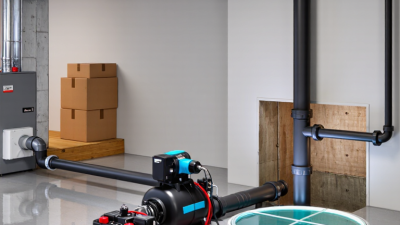
When heavy rain cuts power, a primary sump pump can stop just as groundwater rises around the foundation. A battery backup keeps pumping without household electricity, helping slow water from spreading across basement flooring, stored boxes, and furnace equipment.

It matters: Insurance Information Institute data for 2016–2020 show water damage and freezing made up 22.6% of homeowners’ insurance losses, with an average claim of $11,098. That figure covers many kinds of water damage, not sump-pump failures alone.

A backup system usually includes a separate pump, battery, charger, and float switch. As water lifts the switch, the backup pump starts. A high-water alarm can alert someone before water reaches the bottom stair. A small detail, but useful.

Battery runtime depends on pump demand, water depth, and battery condition; a powerful pump may drain a battery sooner than expected. Check the battery and alarm regularly, and test the pump by raising its float switch.

The Insurance Information Institute’s claim data cannot show exactly how much damage a backup prevents. Still, when the main pump loses power, even limited pumping time can make a real difference. One uncomfortable truth: the system may fail if its battery is old or poorly maintained.

How Battery Backup Sump Pumps Work During Power Outages

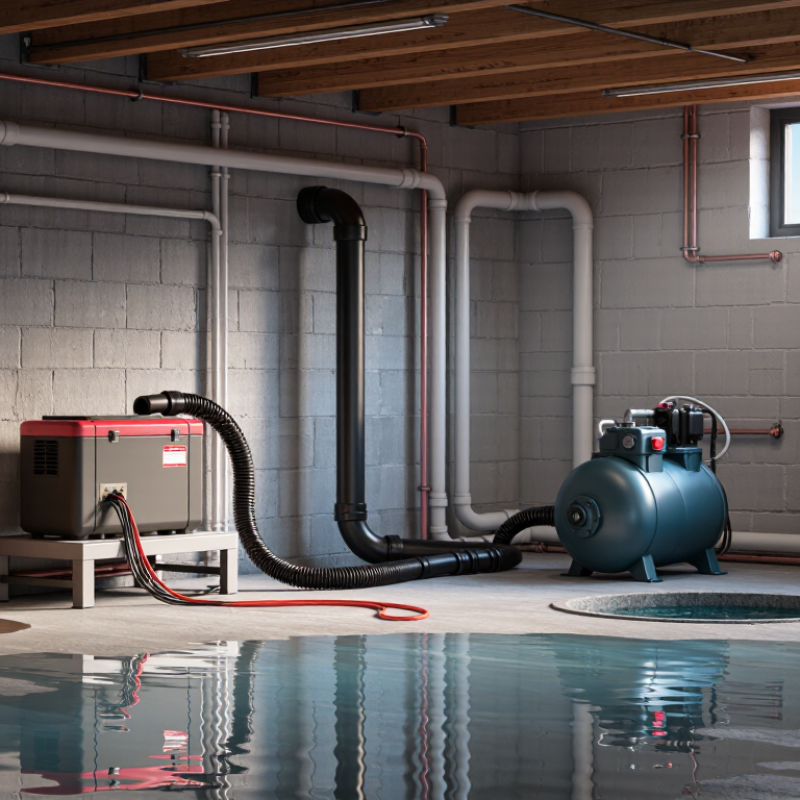
When a storm cuts power, a standard sump pump may stop even as groundwater keeps rising. A battery backup system is designed to take over. Its charger stays connected to household power and keeps the battery ready. When the water reaches a set level, a float switch signals the backup pump to start.

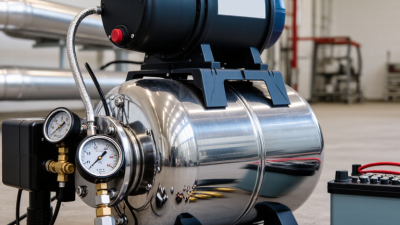
The backup pump draws direct current from the battery and pushes water through a discharge pipe. A check valve helps prevent discharged water from flowing back into the sump pit. Some systems also sound an alarm when the battery is low or the pump is running. That warning matters. A small battery can drain faster than expected during repeated pumping, especially when water enters the pit rapidly.

Runtime depends on battery capacity, pump demand, water inflow, and battery condition. No setup runs indefinitely. Check the battery terminals for corrosion and test the pump according to its manual, ideally before the wet season. A bucket of water can help confirm that the float switch activates, but testing should follow the manufacturer’s safety instructions. One detail is easy to miss: a backup pump still needs a clear discharge line. I would also recheck the system after any major outage; a pump that worked last year may not be ready today.

7 Best Battery Backup Sump Pumps for 2026: How Backup Runtime Changes During Power Outages

Estimated battery runtime at different pump duty cycles

Estimates use a 12 V, 100 Ah battery with 80% usable capacity (960 Wh) and a pump drawing 300 W while running. Runtime is calculated as usable energy divided by average power draw at each duty cycle. Actual runtime varies with battery condition, pump load, water inflow, and system losses.

What to Compare When Choosing a Pump for 2026

When comparing battery backup sump pumps for 2026, check performance at the lift height your home actually needs. A pump’s advertised flow rate may drop as water rises through the discharge pipe. Compare its gallons-per-hour rating at your pit’s approximate lift, not just the maximum figure on the box. Measure the pit and note the pipe diameter, too. Fit matters.

Runtime depends on more than the pump. Battery capacity, water inflow, and how often the pump cycles all affect how long it can operate. Ask whether the system accepts a commonly available deep-cycle battery, and check what the battery costs to replace. A charge indicator and audible alarm can help during an outage. Small details count.

Look closely at the float switch and backup controls. A switch that catches on the pit wall may fail to activate, so leave room for it to move freely. Check whether the system tests itself and signals a weak battery. Test the setup with water before storm season, then inspect connections and clean debris from the pit. It is easy to overlook the discharge line; in freezing weather, a blocked outlet can defeat a capable pump. I would still verify local installation needs rather than assume every basement is the same.

Seven Battery Backup Sump Pumps to Consider in 2026

Seven Battery Backup Sump Pumps to Consider in 2026

For 2026, compare seven practical configurations: a compact DC backup for narrow pits; a high-capacity DC unit for fast inflow; a cast-iron model built for frequent cycling; a corrosion-resistant thermoplastic model for lighter duty; a dual-float design that adds switching redundancy; a combo system pairing primary and backup pumps; and a monitored unit with a power-loss alarm. These are configuration types, not brand rankings. FEMA estimates that one inch of floodwater can cause about $25,000 in damage to a home, making backup planning more than a convenience. Still, that figure cannot predict the risk in any particular basement.

Read performance at the actual discharge height, not just the advertised maximum flow. A pump moving water six feet upward may deliver less than its headline rating. Check whether the battery is included, how the system signals a weak battery, and whether its charger suits the battery type. A larger battery can extend runtime, but it needs space and periodic checks. Test the pump by raising its float and watching water discharge outside. Simple, but easy to forget. Match capacity to pit size, expected inflow, and local outage patterns; no single configuration fits every home. One imperfect detail: backup pumps still depend on a charged battery and clear discharge pipe, so installation alone is not protection.

7 Best Battery Backup Sump Pumps for 2026 - Seven Battery Backup Sump Pumps to Consider in 2026

Backup setup to consider Battery arrangement Key advantage Main trade-off Best suited for What to verify before buying
1. Standard 12-volt DC backup pump One compatible deep-cycle battery A straightforward backup for outages affecting a primary AC pump Runtime depends on battery capacity, water inflow, and pumping height Homes needing basic outage protection Flow at the actual discharge height, battery requirements, and alarm features
2. Primary-and-backup combo system Usually one backup battery Combines a primary AC pump and a battery-powered backup in one packaged system The basin must accommodate the system’s pump and float layout New installations or planned pump replacements Basin fit, independent pump operation, and each pump’s performance rating
3. Dual-battery backup system Two supported batteries Can provide more available battery capacity when configured for the system Higher cost, more space, and additional battery maintenance Areas with longer outages or frequent heavy rain Whether the controller supports two batteries and how it manages charging
4. High-capacity DC backup setup One or more batteries permitted by the system Designed for demanding conditions; compare its output at the required pumping height A higher advertised flow at low lift may not represent installed performance Basements with substantial inflow or a high discharge lift Pump curve, discharge-pipe size, and flow at the system’s total vertical lift
5. Compact backup pump for a tight basin One compatible battery, typically stored outside the basin Can fit installations with limited room around the primary pump Small size does not guarantee enough pumping capacity for the site Existing sumps with restricted clearance Pump and float dimensions, cable routing, and clearance for service
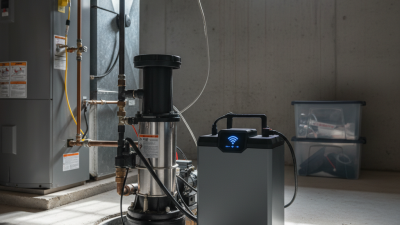
6. Backup system with remote monitoring Battery specified by the system; monitoring may use household power or a network connection Can provide alerts for alarms, battery condition, or system activity Remote alerts depend on the monitoring method and available connectivity Owners who travel or want status notifications What events trigger alerts and whether monitoring works during an outage
7. Backup system with separate high-water alarm Battery for the pump; alarm power depends on its design Adds a warning if water rises beyond the normal pump-start level An alarm alerts the household but does not increase pumping capacity Finished basements or spaces where early warning matters Alarm power backup, sensor placement, and audible or remote notification options

Buying note: These are equipment configurations, not model-specific product rankings. Compare pump output at your actual vertical lift and discharge setup; published flow at zero lift can be substantially different from installed flow. Check the manufacturer’s battery compatibility, charging requirements, alarm behavior, and maintenance instructions before purchase.

How to Install, Test, and Maintain a Backup Pump

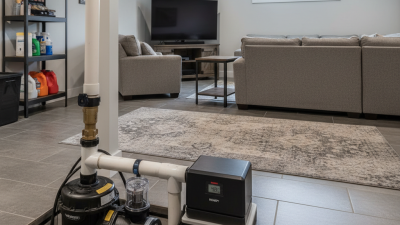
A reliable backup pump starts with a careful fit. Place it beside the primary pump, not where it blocks the float switch or sump access. Set its intake above the pit floor to reduce the chance of drawing in grit. Secure the discharge line, and check that its outlet cannot send water back into the pit. Follow the pump manual for battery location, wiring, and any required ventilation. Small details matter.

After installation, test the system with clean water. Pour it into the pit slowly until the backup float rises, then confirm that the pump starts and water exits outdoors. Keep hands dry, and follow the manufacturer’s instructions before isolating power to the primary pump. A brief test can reveal a stuck float, loose connection, or obstructed line. It may feel repetitive. That is useful.

Inspect the battery and connections regularly, especially before the wet season. Look for corrosion, swelling, leaks, or damaged cables; replace parts if the manual calls for it. Keep the pit clear of leaves and sediment, and listen for unusual cycling or rattling. Battery capacity can fade without obvious warning, so use the recommended test schedule and replacement interval. I would not assume a quiet pump is a healthy one. Keep it accessible.