In 2026, choosing the best water pressure backup sump pump means looking beyond brand names. A basement can start flooding when a storm cuts power, just as the main sump pump stops. A water-powered backup can keep moving water without electricity. But it relies on a dependable pressurized water supply. That condition matters.
The right model depends on your home’s water pressure, sump-pit layout, discharge route, and how quickly groundwater enters the pit. A pump that performs well in one house may be a poor fit in another. Compare rated pumping capacity at your actual water pressure, installation requirements, water use, and the manufacturer’s warranty. Check that the discharge line carries water safely away from the foundation. Local plumbing rules and backflow protection requirements may also affect installation, so verify them before buying.
This guide explains what to compare and which features deserve close attention when evaluating options for 2026. It also considers practical trade-offs: water-powered backups can operate during an outage, but they use household water and may not suit every supply system. No backup is flawless. Even a well-chosen pump needs routine checks, and a test today cannot guarantee performance in every storm. Treat product claims as a starting point, not a substitute for checking your home’s conditions.
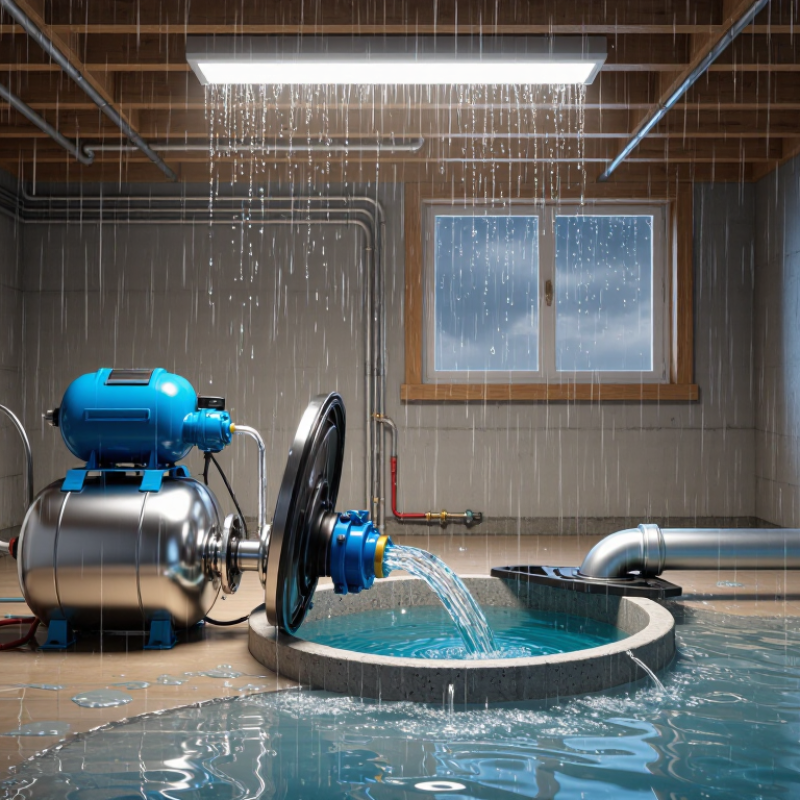
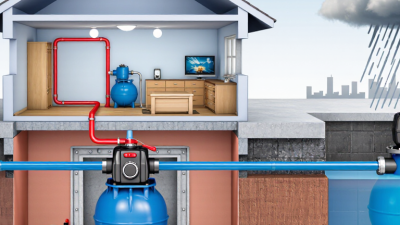
A water-pressure backup sump pump uses pressurized household water to move water out of a sump pit when the electric pump cannot run. Inside the unit, flowing supply water creates suction that draws pit water into a discharge line. The two water streams then leave through the outlet. No battery is involved. That is the appeal.
The system still depends on a working water supply and enough pressure to perform well. During a municipal outage, or when pressure drops, its backup capacity may fall. It also uses fresh water while operating, so the amount consumed depends on the unit and conditions.
Check the manufacturer’s performance chart against your home’s actual pressure and the vertical lift to the discharge point. A plumber can assess the supply connection, drainage route, and required safeguards against cross-connections. Those details are easy to overlook.
I would not treat a water-powered unit as a universal substitute for a battery backup; the right choice depends on local water reliability, pit inflow, and how often power failures occur.
A small test with the pump installed can reveal noise, flow, or discharge problems before a storm does.
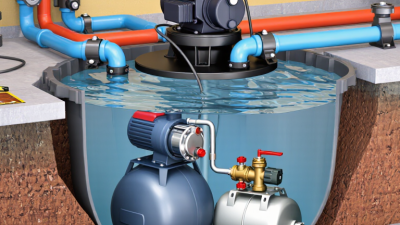
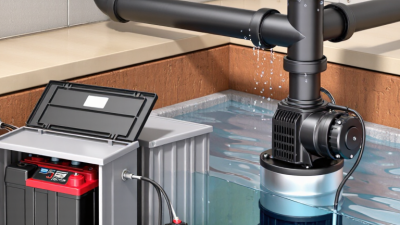
A water-powered backup sump pump uses pressure from a municipal water line, rather than a battery, to move water out of a sump pit. Inside the pump, flowing supply water passes through a narrow nozzle. This creates suction that draws pit water into a mixing chamber. The two streams then leave through the discharge pipe. It is not magic.
During a power outage, the pump can keep working if municipal water pressure remains available. Its actual output depends on that pressure, the pump’s design, and how high the water must be lifted. A deep basement or long discharge run can reduce performance. Check the manufacturer’s rated capacity against your home’s conditions, not just a headline number.
There is a trade-off. These pumps use a substantial amount of clean water while operating, and they may not help if the municipal supply loses pressure too. Installation also needs suitable backflow protection and a discharge route that cannot send water back toward the foundation. Local plumbing requirements vary, so a qualified plumber can check the connection and drainage. Test the system by raising the float and watching the discharge. A brief test is useful, but it does not perfectly mimic hours of heavy inflow. That detail is easy to miss.
A water-pressure backup sump pump is useful only when the home’s water supply can drive it during a power outage. Check pressure at the pump location, not just the number on a utility bill. Pressure can drop when showers or irrigation run. Ask a plumber to assess performance under realistic flow and confirm the discharge route suits the pump.
Capacity matters. Compare the pump’s rated output at your actual lift height with the amount of water entering the sump during heavy rain. A high rating at low lift may not protect a deep basement. Check how much municipal water the unit uses for each gallon pumped, too. That trade-off is easy to overlook. Water use adds up.
Look for a clear alarm, a test procedure, and accessible shutoff valves. Confirm that the installation includes suitable backflow protection and follows local requirements. Test the system periodically by raising the float, then verify that water reaches the discharge point. Test it. A water-powered unit does not depend on household electricity, but it does depend on water pressure. That limitation can matter during a supply interruption, so it may not be the right sole backup for every home.
There is no single best choice for every home. A water-powered backup is most suitable when reliable pressurized water is available during a power outage and the home can accommodate its water use and plumbing requirements.
| Feature or condition | What to check | Why it matters | Best fit or practical guidance |
|---|---|---|---|
| Water supply during outages | Confirm that the backup has access to pressurized water when the electrical supply is off. Check whether the home relies on a well pump. | A water-powered pump needs pressurized supply water. A typical well pump also needs electricity, so a well-dependent home may lose the pressure the backup requires. | Usually a better match for a home with a dependable municipal supply; verify outage conditions with the local water provider. |
| Pressure and pumping capacity | Compare the manufacturer’s capacity curve at the home’s actual supply pressure and required discharge lift. Do not rely on a maximum-flow figure alone. | Delivered flow depends on supply pressure, vertical lift, piping, and installation. Greater lift and lower pressure can reduce pumping capacity. | Choose a unit whose published performance meets the basement’s expected inflow at the measured pressure and actual lift. |
| Water consumption | Check the potable water used per volume of sump water discharged, and whether the unit’s water use is acceptable for the home. | The system uses incoming water to move sump water, so water consumption and wastewater discharge can be substantial while it operates. | Compare water-use data alongside pumping capacity, especially where water or sewer charges are high or conservation is a priority. |
| Backflow protection and code compliance | Confirm required backflow protection, approved connection methods, and local plumbing-code requirements before installation. | A potable water connection must be protected against contamination in accordance with applicable codes and the equipment instructions. | Have a qualified plumber verify the design and required protection for the installation location. |
| Discharge routing | Check outlet size, routing, freeze exposure, check-valve requirements, and whether the backup should have a separate discharge line. | Poor routing or a blocked, frozen, or undersized discharge can limit performance or send water back toward the sump. | Follow the installation manual and local rules; keep discharge water away from the foundation and neighboring properties. |
| Activation and alarms | Look for a clearly specified activation level, accessible test method, and an alarm or monitoring option where needed. | A backup is useful only if it activates when required and a failure or high-water condition can be noticed. | Test the primary and backup systems regularly according to their instructions; do not assume an alarm is included. |
| Maintenance and reliability | Review inspection guidance, serviceable components, warranty terms, and whether the pump can be tested without waiting for an outage. | Debris, mineral buildup, worn valves, or unnoticed plumbing issues can impair operation over time. | Prefer clear maintenance instructions and a practical test routine over features that cannot be checked or serviced easily. |
| Alternative backup type | Compare water supply reliability, expected outage duration, water use, and available battery maintenance. | A battery-powered backup does not require pressurized municipal water, but its runtime depends on battery capacity, pump load, and battery condition. | Consider a battery system where water pressure is unreliable; some homes may benefit from both backup types if installed and maintained correctly. |
Bottom line: The strongest choice is a properly sized, code-compliant unit with verified performance at the home’s available water pressure and discharge lift. Confirm water availability, consumption, and installation requirements before buying.
Choosing a water-pressure backup means comparing more than the pump’s advertised capacity. Check your home’s water pressure while other fixtures are running, then compare that dynamic pressure with the pump’s rated operating range. A reading taken with every tap closed can mislead. Also check how many gallons of water the backup uses for each gallon it pumps out. That trade-off matters during a long outage.
Look at your sump pit’s depth, discharge-line size, and the height water must be lifted. These details affect real-world output. Ask a plumber to confirm that the household supply and required backflow protection are suitable. Test the system using its actual water connection, and make sure the discharge line carries water safely away from the foundation. Small details matter.
Compare water-powered backups with battery systems, too. A water-pressure unit avoids battery aging, but it depends on municipal water pressure and consumes water while running. A battery unit can operate without household water, but its runtime depends on battery capacity and pump load. FEMA’s flood guidance estimates that one inch of floodwater can cause about $25,000 in damage to a home. That makes dependable testing worthwhile, even when the choice is not obvious.
A water-pressure backup sump pump can help when the primary electric pump fails, but it depends on a pressurized water supply. It may not work during a municipal outage or when a private well loses power. Before installation, have a qualified plumber check water pressure, flow, pipe size, and required backflow protection. Follow the pump’s instructions and local plumbing requirements. Route discharge well away from the foundation; the U.S. Department of Energy’s Building America Solution Center warns that poor drainage can return water to the home.
Water use varies with supply pressure, lift height, and pump design, so there is no reliable one-size-fits-all consumption figure. Ask for the rated gallons of water used per gallon discharged, then compare that figure with your household’s water costs. For context, EPA WaterSense estimates household leaks waste nearly 10,000 gallons of water annually on average. A backup pump is different from a leak, but its water use still deserves attention. I would check the meter after a test; it is an easy detail to overlook.
Tips: Test the backup with a controlled water supply, confirm the discharge line stays clear, and inspect fittings for drips. Keep the instructions nearby. Recheck it seasonally, especially before heavy rain, and remember that testing does not prove the pump will perform under every flood condition.