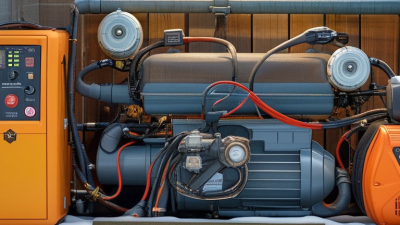
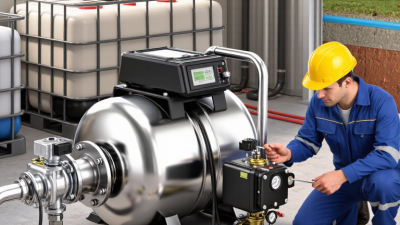
A water pressure backup sump pump is a secondary pump that can help protect a basement when the primary electric pump stops working. Instead of relying on a battery, it uses pressurized municipal water to create suction and move water from the sump pit through a discharge pipe. The mechanism is simple in principle. Its performance, however, depends on adequate household water pressure and a dependable water supply.
Picture a storm-night outage: rain taps the window, the pit level rises, and the electric pump is silent. A water pressure backup sump pump may keep removing water in that moment, provided the supply remains available and the unit is correctly installed. It is not a universal solution. The pump uses potable water while operating, and its capacity may be lower than a primary electric pump’s. That trade-off deserves a closer look. The details matter.
This guide explains how the system works, where it can be useful, and what homeowners should check before choosing one. We’ll cover water-pressure requirements, expected pumping capacity, installation considerations, and routine testing. A properly selected unit should include suitable backflow protection, installed according to manufacturer instructions and applicable plumbing requirements. Check the specifications. If your home has a private well, low water pressure, or an unusual plumbing layout, ask a qualified plumber whether this type of backup is appropriate. Even a capable pump cannot help if its water source fails.
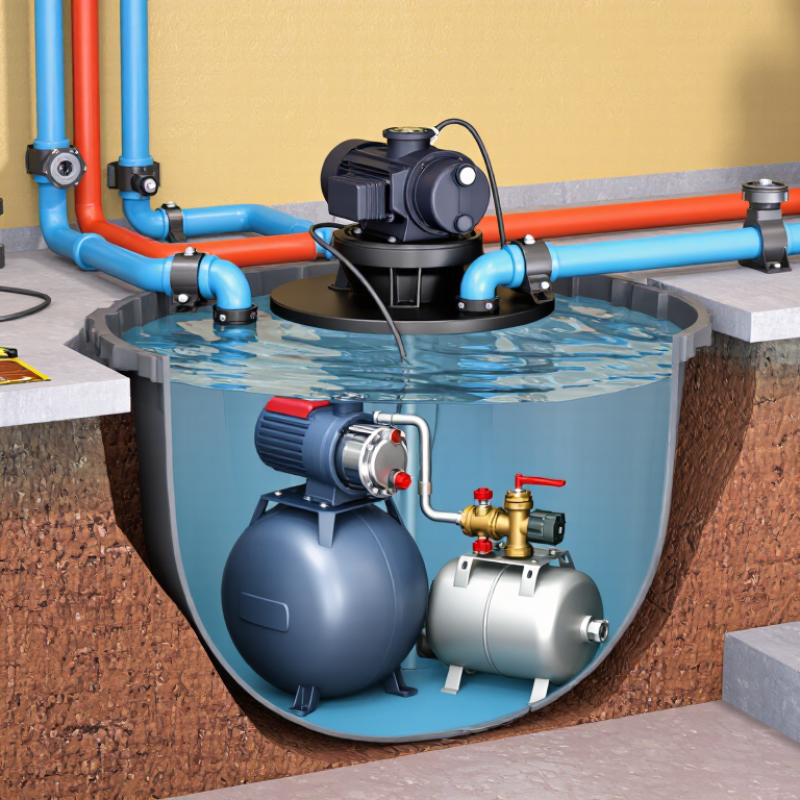
A water pressure backup sump pump is a secondary pump that uses pressurized tap water to move water out of a sump pit. Unlike a battery backup, it does not need electricity to run. A valve and internal water-jet mechanism create suction, drawing groundwater into the unit and sending it through a discharge pipe. It can help during a power outage, when a primary electric pump stops.
Pressure matters. The system depends on a reliable municipal water supply and enough pressure to lift water to the discharge point. If the water supply is interrupted, the backup may not operate. It also uses household water while running, so extended use can increase water consumption. I would not call it foolproof; the right fit depends on local water pressure, plumbing, and how quickly water enters the pit. A qualified plumber can check those conditions and confirm that suitable backflow protection is installed.
Tips: Ask how much water the unit uses during operation, and check whether your supply can maintain its required pressure. Test the backup according to its instructions, then watch the discharge line for leaks or blockages. One small detail is easy to overlook: a backup pump still needs a clear route for water to leave the home.
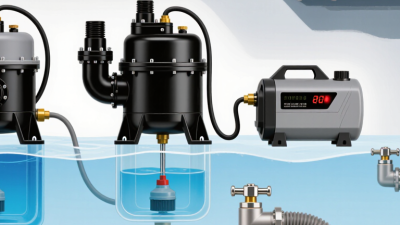
A water pressure backup sump pump uses household water pressure instead of a battery or electrical motor. Common designs include a water-supply connection, an activation valve, a suction opening, and a discharge pipe. A float in the sump pit often controls the valve, rising as water collects. Some designs use a different activation mechanism.
When the water level reaches the set point, the valve sends pressurized water through a narrow nozzle. This creates suction in a venturi chamber, drawing sump water into the flow. The mixture then travels through the discharge pipe and away from the foundation. No motor hum. The pump depends on adequate supply pressure, and its performance can drop when pressure is low or water must be lifted a long distance.
The arrangement has trade-offs worth understanding. It consumes water while operating, so a long outage could increase household water use considerably. A check valve helps prevent discharged water from returning to the pit, while proper plumbing safeguards protect the supply line. Exact components vary by design. Testing the float, valve, and discharge route can reveal problems, though a brief test may not show how the pump performs during a prolonged storm. That gap is easy to overlook.
A water-pressure backup sump pump uses municipal water pressure to move sump-pit water when the electric pump stops. Its real capacity depends on more than the pressure shown at a faucet. Pipe diameter, supply-line length, fittings, and simultaneous household use can all reduce flow at the pump. AWWA Manual M22, Sizing Water Service Lines and Meters, explains why available pressure must be assessed alongside flow and pressure losses. Ask a plumber to test the supply at the pump connection, not just at a nearby tap. That distinction is easy to miss.
Compare the pump’s published capacity curve with the tested supply pressure, then consider how much water enters the pit during heavy rain. For example, an inflow of 8 gallons per minute equals 480 gallons per hour; a backup that removes less than that cannot keep lowering the water level. Check the curve at your actual pressure, since advertised maximum capacity may assume ideal conditions. Also account for water used by the backup itself, which can raise household demand and affect performance. A simple bucket test can reveal weak flow, but it does not reproduce every pressure change during a storm. That uncertainty deserves attention.
A water-pressure backup sump pump uses pressurized municipal water to lift basement water from the sump pit. A float switch activates the unit as water rises. Its venturi mechanism creates suction, so it can operate without household electricity or a rechargeable battery.
That is its main advantage. There is no battery to age, charge, or replace, and the pump can keep working through a power outage if the water main retains pressure. But that condition matters.
A municipal water interruption, low pressure, or closed supply valve can leave the pump unable to run. The system also uses potable water while pumping, which may increase water use and bills during a long storm. Installation must account for local plumbing requirements and backflow protection. Those details are easy to overlook.
A battery backup avoids dependence on municipal water pressure, making it a practical alternative for homes with private wells or unreliable water service. Its limits are different: runtime depends on battery condition, pump load, and how often water enters the pit.
The Insurance Information Institute reports that water damage and freezing made up 22.6% of homeowners’ insurance claims from 2018 to 2022, with an average claim of $13,954. That risk deserves attention.
The best choice depends on which utility is more dependable at the home, and neither backup is maintenance-free.
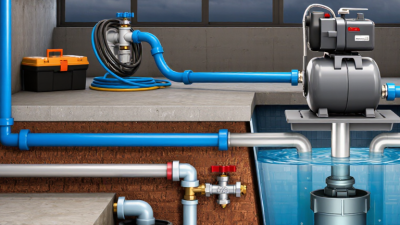
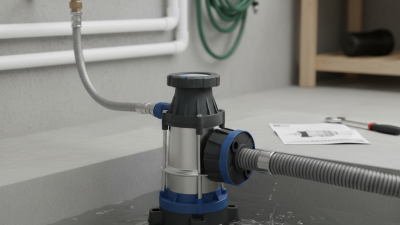
Installation begins with checking the water supply, sump basin, and discharge route. A water-pressure backup pump needs adequate municipal water pressure to operate, so compare the measured pressure with the unit’s specifications. Check the water supply. A qualified plumber can install the required backflow prevention device and confirm that the connection meets local plumbing requirements. Route the discharge line away from the foundation, and secure it against movement. Small details matter here; a pipe that shifts during a test can make a wet floor.
Test the system according to its instructions, often by raising the float or adding water to the basin. Confirm that the pump starts, water exits outdoors, and the float moves freely. Keep hands clear of moving parts. Brief tests are useful, but they do not prove the water supply will remain available during every outage. That uncertainty is worth remembering. Inspect the float, inlet screen, valves, and discharge line regularly for debris, leaks, or freezing. Clear the basin gently, and look for mineral buildup around water connections. Record test dates and any unusual noises. If pressure is low or the pump fails to start, stop relying on it and have a plumber inspect the installation.
| Topic | How It Works or What to Do | Practical Checks and Considerations |
|---|---|---|
| What it is | A water pressure backup sump pump uses flowing pressurized water and a venturi effect to draw water from the sump basin and send it to a discharge line. | It is a backup system, typically intended to operate when the primary pump cannot keep up or loses power. It does not require a battery to run, but it does require a reliable water supply. |
| Water supply | The unit is connected to a pressurized water line in accordance with the pump instructions and local plumbing requirements. | Confirm that the supply has adequate pressure and flow under operating conditions. A private well may not provide backup during an outage if its pressure pump also depends on electricity. |
| Water use | While operating, the pump consumes supply water to move sump water. The amount varies with the pump design, inlet pressure, lift height, and discharge conditions. | Check the unit’s rated performance data and consider water consumption before installation. Discharge water must be routed to an approved location under local rules. |
| Installation location | Mount the backup pump and float so the float can move freely and activate before water reaches a level that threatens the basement. | Keep the intake clear of debris and position the unit according to its instructions. Avoid interference with the primary pump, its float, or the sump cover. |
| Plumbing protection | Connect the water supply and discharge using the required fittings and an approved backflow-prevention arrangement. | Plumbing codes and requirements vary by location. Have a qualified plumber confirm backflow protection, water-line connection, and discharge routing where required. |
| Discharge line | Route the backup pump’s discharge so water can flow freely away from the foundation and cannot readily return to the sump. | Check for kinks, blockages, freezing risk, leaks, and an outlet location permitted by local regulations. Do not assume the primary pump’s discharge arrangement is suitable for the backup pump. |
| Initial test | After installation, follow the pump instructions to raise the float or add water to the sump until the backup pump activates. | Confirm that the unit starts, moves water, shuts off as the water level falls, and has no leaks. Keep the test controlled because operation uses water and sends water to the discharge point. |
| Routine inspection | Inspect the pump, float, water-supply connection, fittings, and discharge line periodically and after any unusual operation. | Look for mineral buildup, corrosion, loose connections, debris, restricted float movement, leaks, or a blocked discharge. Follow the manufacturer’s maintenance schedule; service intervals are not universal. |
| Operational test | Test the backup pump at the interval specified in its instructions by safely simulating a rising sump-water level. | Verify activation and water flow, then confirm the float resets and the unit stops. Do not leave the pump running unattended during a test. |
| Limitations | The system depends on available water pressure and a clear discharge route; it is not an independent water source. | It may be unsuitable where water supply is unreliable, water use is restricted, or plumbing rules do not permit the proposed connection. A backup pump does not remove the need to maintain the primary pump. |
Safety note: Installation and testing should follow the pump instructions and applicable plumbing and building codes. If you are unsure about water-line connections, backflow protection, or discharge requirements, consult a qualified professional.