How to Choose the Best Battery Backup Sump Pumps?
Choosing the best battery back up sump pumps requires more than comparing prices or advertised runtime. A reliable choice protects a basement when storms cut power, the primary pump fails, or rising water overwhelms the drainage system. Richard Trethewey, a plumbing and heating expert from This Old House, has said, “A sump pump is cheap insurance against a flooded basement.” That simple idea still matters.
Start with real household conditions. Measure the pit, discharge height, and pipe diameter. Check whether the backup pump can move water through your existing check valve. A model rated for high flow may perform poorly against a tall discharge line. Battery capacity also matters. A small battery might run briefly during a short outage, but heavy rain can last all night. Sealed AGM batteries usually require less maintenance than flooded lead-acid batteries. However, they still need inspection.
Look for a clear alarm, automatic activation, corrosion-resistant parts, and a test button. Confirm the pump’s rated gallons per hour at your actual lift height. Do not trust the maximum number alone. It can look impressive. Test the float every few months, clean the pit, and replace aging batteries before failure becomes urgent. Even the best battery back up sump pumps cannot correct a blocked discharge pipe or poor installation. That is an uncomfortable truth. A professional assessment may cost more initially, but it can reveal weak wiring, frozen outlets, or an undersized primary pump. Reliability comes from the complete system, not one impressive component.
Understanding How Battery Backup Sump Pumps Work
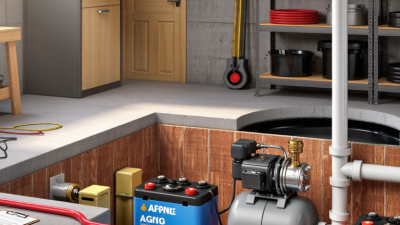
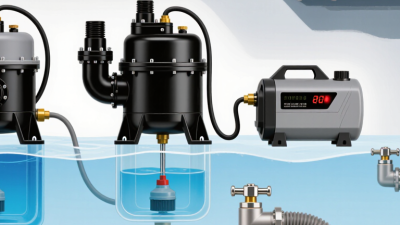
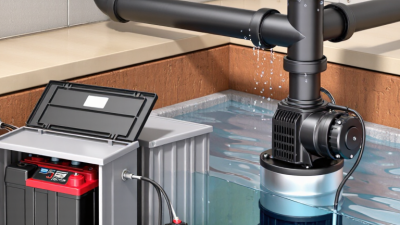
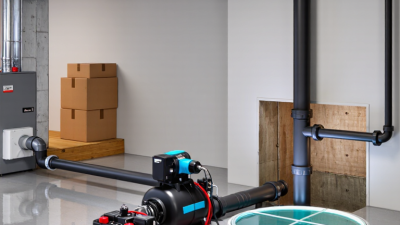
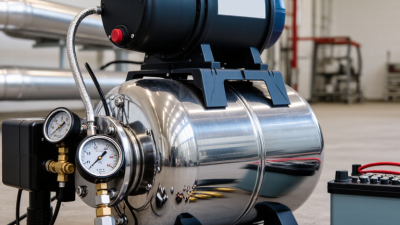
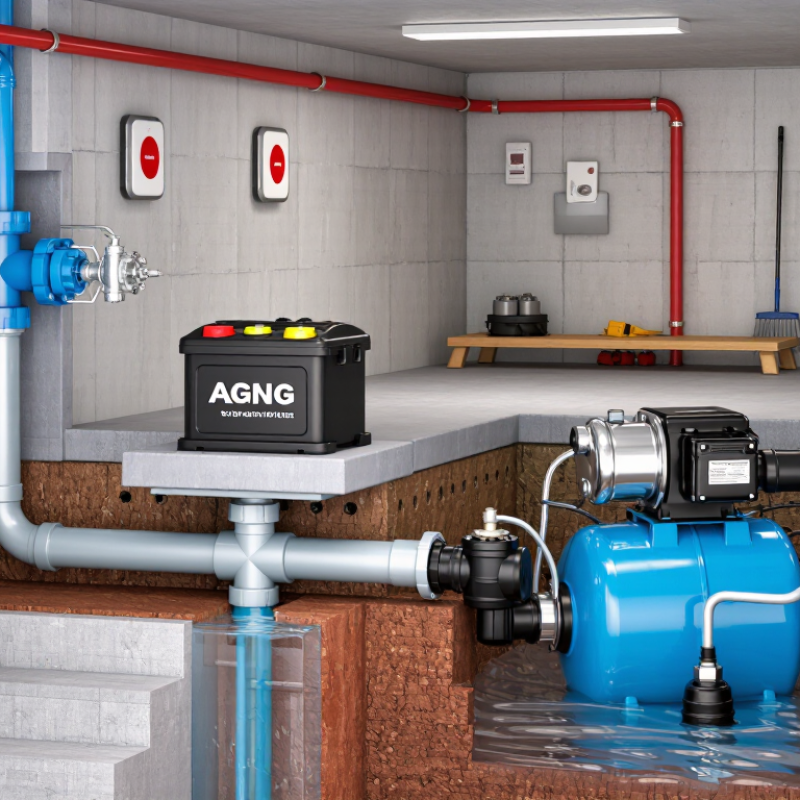
A battery backup sump pump protects a basement when the primary pump loses power. Its system usually includes a sealed battery, charger, control panel, float switch, and DC pump. During normal conditions, the charger keeps the battery ready. When the water level rises or electricity fails, the float switch activates the backup pump.
The pump draws stored energy from the battery and pushes water through a discharge pipe. A check valve helps stop discharged water from flowing backward. Performance depends on more than gallons per hour. Check the pump’s lifting height, pipe size, expected runtime, and battery capacity. A pump may move plenty of water at floor level but weaken near the outlet.
In basement inspections, I look for a clear alarm, secure wiring, and a battery case without swelling or corrosion. Test the float switch with a bucket of water, not only the test button. That detail is easy to miss. The charger should show normal operation, while the discharge line needs insulation in freezing climates. Choose a system that matches your pit and local rainfall, rather than relying on a large capacity number. More power is not always better. It can drain the battery faster. A neglected battery can fail quietly, even when the pump looks new. Reviewing the system before storm season reveals uncomfortable mistakes.
How to Choose the Best Battery Backup Sump Pump?
Estimated Backup Runtime by Battery Capacity
This chart estimates continuous runtime for a 500-watt sump pump using a 12-volt battery system. The calculation assumes 80% usable battery capacity and 85% inverter/system efficiency: runtime = battery voltage × amp-hours × 0.80 × 0.85 ÷ pump watts. Actual runtime may vary with pump cycling, battery age, temperature, wiring losses, and water flow.
Assessing Your Basement’s Water Removal Requirements
Choosing the best battery backup sump pump begins with measuring your basement’s actual water-removal needs. Do not rely on horsepower alone. Record the basin diameter, incoming water rate, discharge-pipe length, vertical lift, and pipe bends. A pump moving 3,000 gallons per hour at ground level may deliver far less at a 10-foot lift.
During a heavy storm, mark the water rise in the pit every five minutes. This simple test reveals inflow better than a product label. NOAA Atlas 14 precipitation-frequency data can help compare local rainfall intensity, especially where storms exceed normal drainage capacity. FEMA also reports that one inch of indoor floodwater may cause about $25,000 in damage, showing why capacity should include a safety margin. That figure is broad, not a promise for every basement.
Battery selection requires equal attention. Estimate how often the pump cycles, then compare runtime at the expected load, not an advertised maximum. The U.S. Department of Energy notes that battery performance changes with temperature, age, and charging conditions. A finished basement with a furnace, storage, or electrical equipment needs faster removal and longer backup endurance. A small pit may also cycle rapidly, reducing battery life. That detail is easy to miss. Check the discharge outlet too. If it freezes, clogs, or sends water back toward the foundation, even a powerful pump can fail. Recheck these assumptions after one storm; the first calculation is often imperfect.
Comparing Pump Capacity, Battery Types, and Runtime
How to Choose the Best Battery Backup Sump Pumps?
Pump capacity should match both incoming water and discharge height. A pump rated at 2,500 gallons per hour may deliver far less through a long, narrow pipe. Measure the vertical lift from the pit to the outlet. Capacity comes first. During testing, I would run the backup pump with a full pit and check its actual flow at the highest lift. Manufacturer ratings alone can mislead.
Battery type directly affects usable runtime. Sealed lead-acid batteries are widely available and comparatively affordable, but they are heavy and lose capacity as they age. Lithium iron phosphate batteries usually provide more usable energy and longer cycle life, although their initial cost is higher. The U.S. Department of Energy’s 2023 Grid Energy Storage Technology Cost and Performance Assessment reports roughly 85–95% round-trip efficiency for lithium-ion systems, compared with about 80–85% for lead-acid systems. Runtime varies. A 12-volt, 100-amp-hour battery stores about 1.2 kilowatt-hours in theory. A 300-watt load could approach four hours before losses, but real runtime may be shorter.
Check the pump’s measured wattage, starting surge, and battery temperature range. The U.S. Department of Energy notes that usable storage depends on operating conditions, conversion losses, and depth of discharge. That matters in a damp, cold basement. I would also inspect the battery every few months, even with a new system. My rough estimate may still fail during extreme inflow, blocked piping, or an aging battery. Build in margin. Don’t size for an ordinary storm only.
Evaluating Installation, Safety, and Maintenance Features
How to Choose the Best Battery Backup Sump Pumps?
Evaluating Installation, Safety, and Maintenance Features
A battery backup sump pump should fit your pit without blocking the primary pump. Measure the basin depth, discharge pipe, and available clearance before purchasing. During inspections, technicians often find cramped pits that make repairs unnecessarily difficult. A quiet motor is useful, but accessible components matter more during a power outage.
Choose a system with sealed electrical connections and a protected battery enclosure. The charger should display battery status, fault warnings, and charging progress clearly. Keep the outlet above possible flood levels, and use a ground-fault circuit interrupter where local electrical rules require one. A licensed electrician should verify the wiring. Small mistakes can become dangerous near standing water.
Maintenance is not optional. Test the backup pump every few months by lifting the float or adding water carefully. Check the discharge line for ice, soil, or crushed sections. Inspect terminals for corrosion and replace the battery according to its rated service life. In my experience, owners often test the motor but ignore the alarm. That is an imperfect habit. A working alarm may provide the only warning during a silent nighttime failure. Record test dates, battery age, and unusual sounds in a simple log.
Selecting the Right Battery Backup Sump Pump for Your Home
Selecting the right battery backup sump pump starts with your basement, not the product box.
Measure the sump pit diameter and the vertical distance to the discharge outlet. A pump must handle that height without losing useful flow. Check the pipe size, check valve, and available outlet space. Small details matter.
During heavy rain, the primary pump may run repeatedly. Your backup should support that workload without draining its battery too quickly. Choose a sealed battery system if the sump pit is near living areas. It reduces maintenance and avoids handling corrosive liquid. A water-level alarm, battery warning, and power-failure alert are practical features. They give you time to react.
Look for published flow rates at your actual discharge height, not only the maximum rating. I once trusted a high number and ignored the lift distance. That was a poor assumption. Battery capacity also depends on pump cycling, pipe resistance, and outage length. Ask for tested runtime data when possible.
Inspect the pump every few months, clean the intake screen, and test it during a controlled water rise. Keep the battery terminals dry. Replace aging batteries before severe weather arrives. Installation quality can matter as much as pump capacity, so use a qualified installer when wiring or discharge changes are involved.