What Is the Best Water Powered Backup Sump Pump?

Choosing the best water powered backup sump pump requires more than comparing prices. Your basement may face rising groundwater, a failed electric pump, or a prolonged power outage. Each situation tests the backup system differently. A dependable unit should move water steadily, connect easily to municipal pressure, and protect the basement without batteries or fuel.

Larry Janesky, a respected basement waterproofing educator and founder of Basement Systems, often emphasizes a practical principle: “Water always wins unless you give it a better path.” That idea explains why backup planning matters. A water powered backup sump pump creates that alternate path when the primary pump stops. Still, water pressure varies between homes. Local plumbing conditions can change real-world performance.

This guide examines pumping capacity, water usage, installation requirements, and long-term reliability. It also considers noise, maintenance, discharge protection, and compatibility with existing sump pits. Imagine a storm filling the pit at 2 a.m. The power is out. The primary pump is silent. That is when specifications become real protection.

No system is perfect. A municipal water outage could limit a water-powered model. Some homes may also have inadequate pressure or outdated plumbing. Those weaknesses deserve honest attention. The best choice depends on your water supply, basement risk, and installation conditions. A qualified plumber should verify those details before installation.
What Is the Best Water Powered Backup Sump Pump?

What Is a Water-Powered Backup Sump Pump?

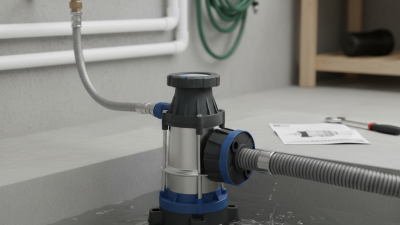
A water-powered backup sump pump is a mechanical emergency pump that uses municipal water pressure, not electricity. When the primary electric pump stops during a blackout, a pressure-driven valve opens and moves water from the sump pit through a discharge pipe. It needs a functioning public water supply. That limitation matters. The U.S. Environmental Protection Agency’s WaterSense program reports that household leaks can waste more than 10,000 gallons annually, so water availability should never be assumed during a severe event.

Performance depends on water pressure, flow rate, pit depth, and discharge height. The ASPE Plumbing Engineering Design Handbook recommends checking dynamic pressure, piping capacity, and backflow protection before installation. A compact pump may remove less water than its marketing label suggests under real basement conditions. Narrow pipes, mineral buildup, and long discharge runs reduce performance. I would test the system with a full pit, not only with a dry switch.

NOAA recorded 27 U.S. billion-dollar weather and climate disasters in 2024. Flood risk is not theoretical for many homeowners. The best water-powered backup pump should include an independent float, corrosion-resistant components, a visible test point, and a discharge route that cannot freeze easily. It should also match local water pressure without creating unsafe plumbing conditions. However, these pumps consume potable water while operating. That trade-off deserves honest consideration. A battery system may provide longer independence where municipal pressure is unreliable, while a water-powered unit can remain ready for extended outages.

What Is the Best Water-Powered Backup Sump Pump?

Typical pumping capacity at approximately 40 psi municipal water pressure

Water-powered backup sump pumps use municipal water pressure instead of electricity. Representative residential units can move about 1,600 gallons per hour at low lift, around 1,200 gallons per hour at a 10-foot lift, and approximately 900 gallons per hour at a 15-foot lift. Actual performance depends on incoming water pressure, discharge-pipe size, vertical lift, and local plumbing conditions. They also consume municipal water while operating, so they are most suitable where reliable city water service is available.

How Does a Water-Powered Backup Sump Pump Work?

What Is the Best Water Powered Backup Sump Pump?

How Does a Water-Powered Backup Sump Pump Work?

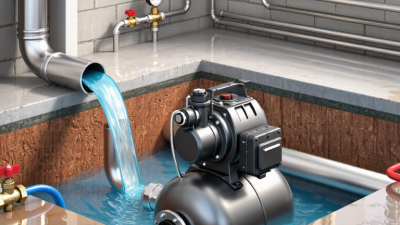
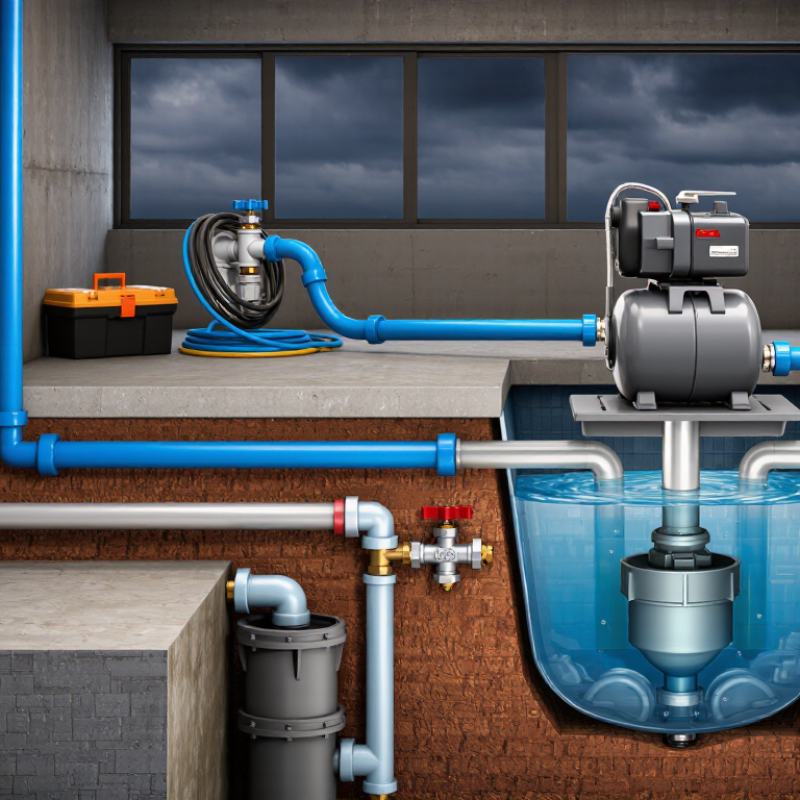
A water-powered backup sump pump uses household water pressure, not electricity. When rising water lifts the float, a control valve opens. Pressurized water enters a small nozzle and creates a low-pressure zone through the Venturi effect. That pressure draws sump water into the pump body. Both water streams then leave through the discharge pipe. A check valve prevents backflow into the pit.

Many systems claim to remove about two gallons of sump water for every gallon consumed. Actual performance changes with inlet pressure, pipe size, and installation height. It is not magic. A municipal supply must remain active, and a private well system may stop during a power outage. Local plumbing rules may also require an approved air gap or backflow protection.

The risk is worth measuring. The Insurance Information Institute’s 2023 analysis found water damage and freezing represented 29.6% of homeowners insurance claims from 2017 through 2021. The average claim reached approximately $12,514. FEMA also reports that one inch of indoor floodwater can create about $25,000 in damage. Those figures do not prove every backup pump is suitable. However, they show why testing matters. Check the float monthly, inspect the discharge line, and record municipal water pressure. A quiet pump can still be an untested pump.

What Features Define the Best Backup Sump Pump?

A water-powered backup sump pump becomes valuable when the primary pump loses power or fails. Its strongest feature is independence from electricity and batteries. It uses municipal water pressure to move floodwater through a discharge line. However, performance depends on steady household water pressure. Low pressure can reduce pumping capacity during severe storms.

A reliable model should include a corrosion-resistant body, a dependable check valve, and a protected backflow preventer. The backflow device helps prevent contaminated water from entering the household supply. A properly placed dual-float system can respond when water rises unexpectedly. Choose a unit with a clearly published pumping rate, not vague performance claims. Higher capacity is not always better. Water consumption and local plumbing limits matter too.

Installation quality often decides real-world performance. The discharge pipe needs secure joints and proper slope. The backup pump should sit above the primary pump, with enough space for maintenance. Test it by lifting the float and checking the discharge flow. I once underestimated how quickly a small leak could weaken a connection. That mistake changed my view of “easy” installation. An audible alarm, visible test port, and accessible shutoff valve add practical confidence. Still, no backup system deserves blind trust. Inspect it before storm season, and ask a qualified plumber to verify local requirements.

What Is the Best Water Powered Backup Sump Pump? — What Features Define the Best Backup Sump Pump?
Evaluation Dimension Recommended Standard Typical Data or Range Why It Defines a Better Backup Pump
Backup Power Source Use municipal water pressure instead of electricity Requires a pressurized public water supply; it will not operate during a municipal water outage Provides automatic drainage when the primary electric sump pump loses power, provided water service remains available.
Minimum Water Pressure Operate reliably within the property’s measured supply pressure Many systems are designed for approximately 40–80 psi; verify the exact operating range before installation Insufficient pressure can reduce discharge capacity or prevent the ejector from removing water effectively.
Discharge Capacity Select capacity based on total vertical lift, pipe length, and required flow Performance varies considerably by model and pressure; commonly listed around 10–25 gallons per minute at low-to-moderate head A pump that looks powerful at low head may deliver much less flow when lifting water to a higher discharge point.
Maximum Head Match the pump’s rated head to the actual vertical discharge height Many residential backup units are rated for roughly 10–20 feet of total lift, depending on water pressure and design Exceeding the rated head can cause inadequate drainage and leave water levels dangerously high.
Water Consumption Choose an efficient water-to-discharge ratio A common operating range is approximately 1 gallon of municipal water used to move 1–3 gallons of sump water; actual results depend on pressure and head Lower water consumption reduces utility costs and limits the load placed on the home’s drainage system.
Automatic Activation Use a reliable float or water-level sensor The backup should start automatically when the sump water reaches its activation level and stop after the level falls Automatic operation protects the basement when nobody is home during storms or power failures.
Backflow Protection Include a properly installed check valve and approved backflow protection The potable-water connection must comply with local plumbing requirements and may require an anti-siphon or backflow-prevention device Prevents contaminated sump water from entering the drinking-water supply.
Pipe Compatibility Use correctly sized water-inlet and discharge piping Residential units commonly use a 1 1/2-inch discharge line, while water-inlet sizes vary; always follow the installation specification Incorrect pipe size, excessive elbows, or undersized discharge lines can substantially reduce flow.
Installation Location Mount the unit above the sump and keep service connections accessible Installation normally requires a nearby cold-water line, a suitable discharge route, and adequate clearance for maintenance Accessible installation makes testing, cleaning, and valve replacement safer and easier.
Noise and Maintenance Use a corrosion-resistant, low-maintenance design Water-powered ejector pumps have no electric motor, but valves, floats, screens, and check valves still require periodic inspection Fewer motor-related parts can improve reliability, but mechanical components can still clog or wear.
Best Use Case Use as a secondary system rather than the primary sump pump Most suitable for homes with municipal water, recurring power outages, and a properly configured sump basin It adds redundancy, but it cannot replace an electric primary pump, battery backup, or generator in every situation.
Selection note: The best water-powered backup sump pump is the one that meets the required flow at the actual discharge head, works within the home’s measured water-pressure range, uses water efficiently, and includes compliant backflow protection. Performance figures are typical industry ranges and should be confirmed against the specific installation requirements.

How Should Water-Powered Sump Pumps Be Compared?

A water-powered backup sump pump should be compared by performance under real basement conditions, not by advertising claims. Check its discharge rate at the required head, especially at 10 feet or higher. The U.S. Department of Energy’s Building America guidance identifies discharge height, pipe friction, and check-valve resistance as major sizing factors. A pump that moves 1,500 gallons per hour at low lift may perform poorly beside a deep pit.

Water consumption deserves equal attention. The U.S. Environmental Protection Agency reports that household leaks can waste more than 9,400 gallons annually. A backup pump may use additional water during an outage, so compare its water-to-discharge ratio and required supply pressure.

Some technical testing reports show wide differences, often around one to two gallons of supply water for each gallon removed. That range is not trivial. Read the test conditions carefully.

Protection and activation are easy to overlook.

Compare the built-in float response, vacuum-breaker protection, backflow control, and connection size. ASSE Standard 1011 addresses hose-connection vacuum breakers, which can help reduce contamination risks in plumbing systems.

Also check whether the pump activates during a power failure, not merely during a simulated float lift. A common mistake is ignoring municipal pressure at night or during a storm.

A polished specification sheet cannot replace a pressure test. The best comparison includes local water pressure, pit depth, discharge routing, operating cost, and maintenance access. Some installations still need a battery backup, because city water service can fail too.

Which Homes Are Best Suited for This Backup System?

Water-powered backup sump pumps suit homes with a basement sump pit, reliable municipal water, and regular power-outage exposure. They are especially practical in flood-prone neighborhoods where storms can disable electrical service. FEMA’s National Risk Index identifies flooding as one of the most widespread natural hazards across U.S. counties. NOAA’s 2022 climate report also recorded 18 billion-dollar weather and climate disasters in the United States.

Municipal pressure matters. A qualified plumber should test pressure while water is flowing, not only when every tap is closed. Many systems need roughly 40 to 60 psi for dependable operation, although requirements vary by design. Homes using private wells may be poor candidates because the pump still needs electricity. Rural properties may also face limited water pressure during outages.

Water use deserves honest attention. These pumps can consume several gallons of city water for each gallon removed from the sump pit, depending on pressure and pump efficiency. That makes them less suitable during drought restrictions or in homes with high water costs. They also should not replace a correctly sized primary pump, a sealed discharge line, and a tested alarm. I have seen backup plans fail because homeowners never checked the float switch after installation. A simple quarterly test is easy to skip. That is the uncomfortable part. Backup equipment only protects a home when its water supply, discharge route, and controls remain functional.