2026 How to Choose the Best Water Pressure Backup Sump Pump?
Choosing the right water pressure backup sump pump in 2026 requires more than comparing horsepower and price. A dependable system must match your basement, water supply, discharge route, and local plumbing conditions. Flooding rarely waits for a convenient moment.
This guide examines how these pumps operate when primary electricity fails. It also considers flow rate, minimum water pressure, battery-free operation, backflow protection, noise, maintenance, and installation limits. A municipal water line may provide useful emergency pressure, but performance can weaken during outages or peak demand. That detail is easy to overlook.
Real-world selection begins with measurements. Record the sump pit depth, discharge pipe diameter, static water pressure, and vertical lift to the outlet. Check whether the pump can move water at that lift, not merely at its advertised maximum. Manufacturer test data matters more than attractive packaging. Independent plumber guidance can reveal installation problems before heavy rain exposes them.
No pump fits every home. A water pressure backup sump pump may suit properties with reliable city water, while well-dependent homes may need another backup strategy. I would not treat a single flow rating as proof of safety. Pressure changes, clogged screens, frozen discharge lines, and neglected valves can reduce protection. This guide keeps those uncomfortable details visible, helping homeowners compare systems honestly and plan routine testing. The best choice is not always the most powerful model. It is the one that performs predictably when the basement begins to fill.
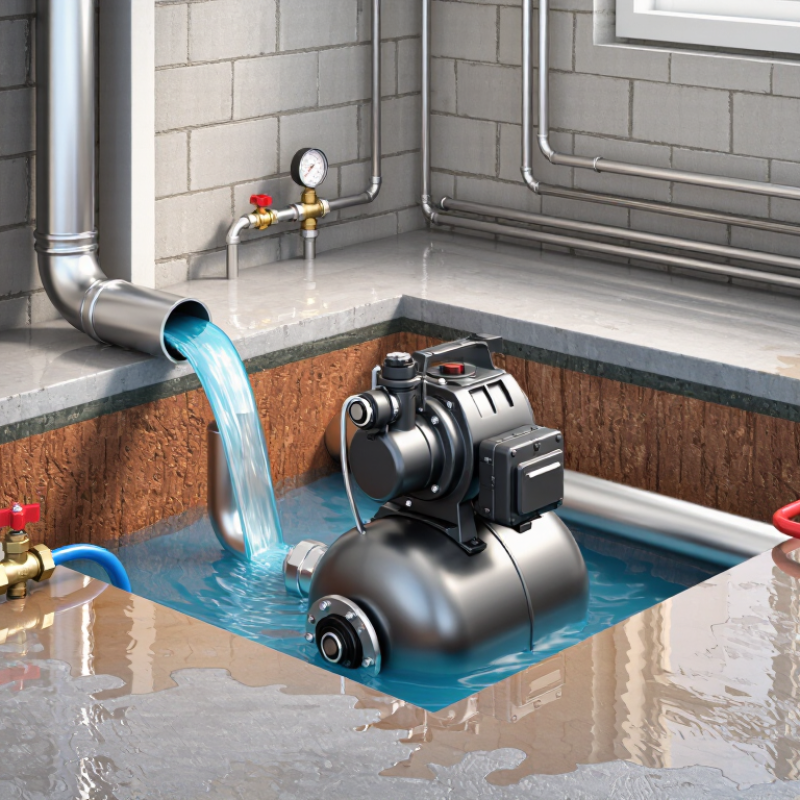
What Is a Water Pressure Backup Sump Pump?
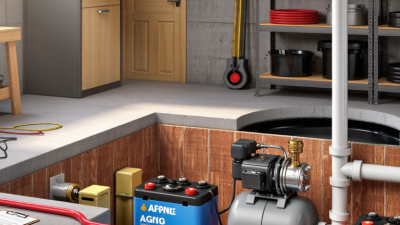
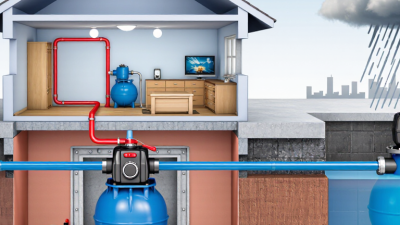
A water pressure backup sump pump removes basement water when the primary electric pump stops working. It uses household water pressure instead of electricity. Pressurized water passes through an ejector, creating suction that lifts water from the sump pit. The system then sends the water through a discharge pipe outside. It can operate during power outages, provided the municipal water supply remains available.
This design suits homes with reliable city water pressure. Performance depends on pressure, flow rate, pipe size, and the vertical lift to the discharge point. A pump may move less water than expected when pressure drops during a storm or neighborhood demand peak. Check the manufacturer’s tested capacity, not only the advertised maximum. Confirm that the backup pump has a separate check valve and a properly secured discharge line. A licensed plumber should verify backflow protection and local plumbing requirements.
It also consumes treated water. That matters. One gallon pumped from the basement may require several gallons from the supply line. A practical installation keeps the primary electric pump active and uses the water-powered unit only during failure conditions. Test the float, alarm, valves, and discharge path twice yearly. I would not assume a newly installed system is ready without a real test. A blocked outdoor outlet, weak water pressure, or frozen pipe can defeat an otherwise sound backup plan.
How Does a Water Pressure Backup Sump Pump Work?
A water pressure backup sump pump uses municipal water pressure instead of electricity. When the primary pump loses power, a float or sensor opens a control valve. Pressurized water then enters a venturi or ejector chamber, creating low pressure that pulls sump water through the pump body. The mixed water exits through the discharge line.
Simple physics.
The U.S. Department of Energy’s outage data, analyzed by Climate Central in 2022, showed a 67% rise in weather-related power outages from 2000 to 2020. That trend makes hydraulic backup protection increasingly practical in flood-prone homes. However, performance depends on pressure, pipe size, and available municipal flow. A pump rated for 1,500 gallons per hour may deliver far less if household pressure falls during a storm.
Ratings can mislead.
Installation should include a check valve, approved backflow protection, and a separate discharge route. Plumbing requirements vary by jurisdiction, so local code review remains essential. FEMA’s National Risk Index also identifies flooding as a major recurring hazard across U.S. communities, not merely a basement inconvenience.
During a wet-weather test, measure the actual discharge rate and check whether the sump level falls steadily. A quiet valve is not proof of safety. The weak assumption is trusting pressure that has never been tested. A municipal outage or damaged water main can remove the backup source itself.
Which Backup Pump Features Match Your Basement Needs?
When choosing a water-pressure backup sump pump, match its features to your basement’s actual risks. FEMA reports that one inch of indoor flooding can cause about $25,000 in damage. That figure makes automatic backup protection more than a convenience. Measure the primary pump’s discharge height, pipe size, and flow rate before comparing models. A pressure backup should provide adequate lift when the power fails, not merely advertise a high gallon-per-minute rating.
Check your home’s water pressure, too. Many systems operate effectively within roughly 40–80 psi, but local pressure can vary during peak demand. Ask a licensed plumber to verify pressure and backflow protection. The ASPE Plumbing Engineering Design Handbook emphasizes correct sizing, drainage design, and code-compliant connections. A reliable system should include an automatic activation valve, a visible status indicator, and an alarm that can be heard from living areas. Test it.
Water use deserves attention. A pressure-powered pump consumes municipal water during operation, so efficiency matters during long storms. FEMA and the National Flood Insurance Program both stress reducing basement exposure through drainage maintenance and protective equipment. Clear the pit, inspect the check valve, and test the backup before the wet season. I once thought more pumping capacity solved everything. It does not. A blocked discharge line can defeat an expensive pump in minutes. Choose corrosion-resistant parts, a serviceable design, and an installation that remains accessible when the basement is dark and wet.
How to Install, Test, and Maintain the Backup Sump Pump
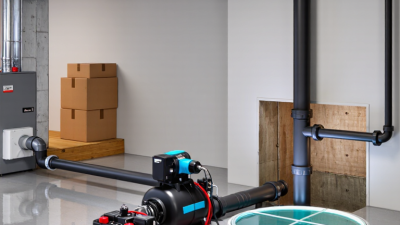
A water pressure backup sump pump can protect a basement when the primary electric pump loses power. Before installation, inspect the sump pit, discharge pipe, and available water pressure. The pump should sit securely above the pit floor, with its intake positioned correctly. Follow the manufacturer’s instructions and local plumbing requirements. A qualified plumber should install the backflow protection and water connections. This detail is easy to overlook.
Connect the discharge line with a reliable check valve and direct water away from the foundation. Avoid sharp bends, loose fittings, and unsupported pipes. After installation, test the system by switching off the primary pump and raising the float. Water should enter the pump and leave through the discharge line without leaks. Listen for unusual vibration. A quiet test can still miss a weak connection, so inspect every joint with a flashlight.
Tips: Test the backup pump every three months, especially before storm season. Check the water shutoff valve and pressure gauge. Remove dirt from the intake screen. Keep the sump pit free from gravel and debris. Record each test date. If the pump runs continuously, stop and investigate; excessive water use may indicate a stuck float or blocked discharge. Maintenance is not difficult, but skipping one inspection can create an expensive surprise.