Basement flooding can begin with a quiet detail: a rising waterline in the sump pit, a clogged inlet, or a pump that never starts. A dependable home sump pump can help move groundwater away before it reaches stored boxes, wiring, and finished floors. But a pump is not a guarantee. Power failures, blocked discharge pipes, and worn float switches can still leave a basement vulnerable.
The risk deserves attention. FEMA’s FloodSmart guidance estimates that just one inch of floodwater can cause up to $25,000 in damage to a typical home. The Insurance Information Institute reports that water damage and freezing made up 22.6% of homeowners insurance claims from 2019 through 2023. Those figures cover broader water-loss risks, not sump-pump failures alone, but they show why prevention matters. Small problems can become expensive.
The seven tips below focus on practical checks: testing the pump, clearing the pit, inspecting the discharge line, and preparing for outages. A five-gallon bucket can help test operation, but follow the manufacturer’s instructions and keep hands clear of moving parts. And pumps do fail. That detail is easy to overlook when the basement is dry. If a system behaves unpredictably, or water is already entering, contact a qualified professional rather than relying on a quick guess.
Before choosing a sump pump, look for evidence of how water reaches your basement. Check for damp corners, white mineral stains, peeling paint, and a musty smell after heavy rain. Note where water collects and how quickly it appears. A small clue can reveal a larger drainage problem.
Walk around the outside of the house during a dry spell. Make sure downspouts carry water away from the foundation and the ground slopes outward. Check whether nearby drains clog with leaves. If water still enters during storms, record how deep it gets and how often it happens. It is easy to focus only on pump power; that can miss the cause.
Pump capacity should match your basement’s risk and the height water must be lifted through the discharge pipe. A high water table or repeated flooding may call for greater capacity than occasional seepage, but bigger is not automatically better. Confirm that the sump pit can accommodate the pump and that the discharge line will not send water back toward the house. Consider a battery backup and a water alarm if outages are common. If the pit fills quickly or flooding keeps returning, ask a qualified drainage professional to assess the site. The right choice depends on details that are easy to overlook.
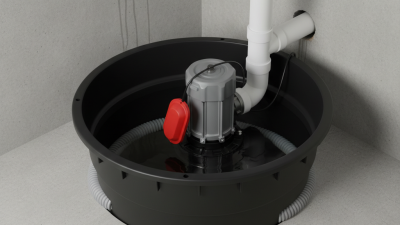
A sump pump can move water out of a basement, but the discharge line determines where that water goes next. Place the pump upright in a stable basin, with its inlet clear of gravel and debris. Secure the discharge pipe so vibration cannot loosen a joint. Keep it accessible.
Route the pipe through a suitable exit and carry water downhill, well away from the foundation. A short splash block may help prevent soil erosion, but it should not let water pool beside the house. Check the outlet after heavy rain; wet soil, mulch, or a low spot can hide a problem. Water must not run back toward the basement.
Use a check valve on the discharge line to limit water flowing back into the basin after the pump stops. In cold climates, protect exposed piping from freezing and avoid sharp bends that restrict flow. Test the pump by slowly adding water to the basin, then watch the outlet outside. A pump that runs is not necessarily a pump that drains well. I would recheck the route after landscaping changes, too; a tidy pipe today can end up buried or blocked next season.
| # | Tip | What to Do | How to Check It | Suggested Check |
|---|---|---|---|---|
| 1 | Install the pump in a suitable basin | Place the pump upright in a stable sump basin at the home's low collection point. Follow the pump instructions for basin dimensions, clearance, and installation. | Confirm the pump sits level, the inlet is unobstructed, and the basin is not collecting loose debris that could interfere with operation. | Inspect the basin during routine testing and after unusually heavy rain. |
| 2 | Direct discharge water away from the home | Route the discharge line to a suitable outdoor drainage area where water can flow away from the foundation. Keep the outlet clear and avoid discharging onto neighboring property or into a public system unless local rules allow it. | During a test cycle, check that water exits freely and does not flow back toward the house or pool beside the foundation. | Check the outlet seasonally and after landscaping or grading work; follow local drainage requirements. |
| 3 | Test the float switch and pump | Pour water into the basin until the float rises and activates the pump. Let the pump cycle off, then verify that the float moves freely. | Listen for steady operation and confirm that water is removed without the pump running continuously or switching on and off rapidly. | Test every few months and before the local rainy season; use the manufacturer's instructions. |
| 4 | Keep the basin and intake clear | Remove sediment and debris that could block the pump intake or restrict the float. Disconnect power before handling or cleaning the equipment. | Look for gravel, plastic, fabric, or other material around the intake and moving parts. | Inspect during each pump test and clean when debris is present. |
| 5 | Check the discharge line and check valve | Inspect the pipe for leaks, loose joints, kinks, or blockages. Make sure the check valve is installed in the correct direction and is accessible for inspection. | After a pump cycle, check for leakage and listen for unusual water hammer or repeated cycling. | Inspect several times a year and after freezing weather or plumbing changes. |
| 6 | Protect power and consider backup power | Use a properly grounded power source and keep connections away from standing water. A battery backup or other backup system can help during a power outage; install and maintain it according to its instructions. | Check the power connection and test any backup system using its prescribed test procedure. Have electrical concerns assessed by a qualified professional. | Test backup equipment on the schedule specified by its manufacturer and check battery condition regularly. |
| 7 | Maintain the surrounding drainage | Keep gutters and downspouts clear, extend downspout outlets away from the foundation, and maintain ground grading that slopes away from the home where practical. | After rain, look for water collecting beside the foundation, clogged gutters, or downspout outlets that empty too close to the house. | Check gutters at least seasonally and after storms; correct drainage problems promptly. |
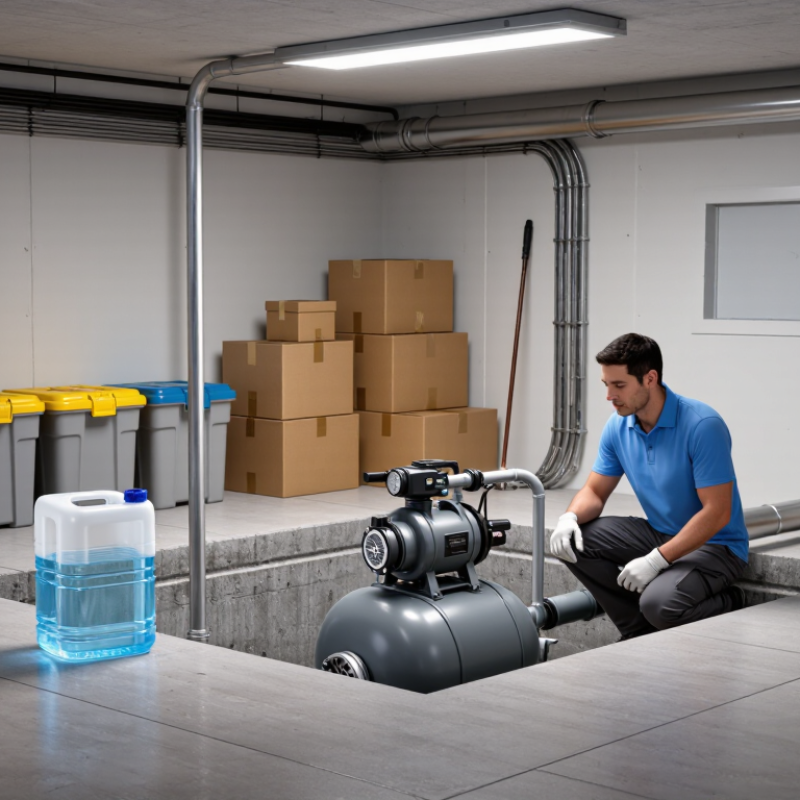
Test the sump pump monthly, and repeat the check before the wet season. Pour water slowly into the pit until the float rises. The pump should start, move water through the discharge pipe, then stop as the pit empties. Watch the float: it should move freely, without catching on the basin wall or cords. Keep hands dry around electrical connections. A simple test can reveal a stuck switch before heavy rain arrives.
Check the valve, too. After the pump stops, listen for water rushing back into the pit; repeated backflow may point to a worn or poorly seated check valve. Inspect visible joints for drips, and make sure the outlet is not blocked by leaves or ice. USGS estimates that one inch of rain on one acre equals about 27,154 gallons, illustrating how quickly runoff can add up. FEMA warns that one inch of floodwater can cause roughly $25,000 in damage to a home. These figures do not predict what any one basement will face, but they make regular testing worthwhile. It is easy to postpone the check. Put it on the calendar, and record whether the pump starts, drains, and shuts off.
A sump pump can fail for a simple reason: a pit full of grit, leaves, or loose debris. FEMA’s National Flood Insurance Program data show that more than 20% of flood claims come from outside high-risk flood areas. FEMA also estimates that one inch of floodwater can cause about $25,000 in damage. A clean pit and working pump are practical safeguards, not a guarantee against flooding.
Tip: Unplug the pump before cleaning. Remove debris by hand, then check that the float moves freely and does not catch on the pit wall. Clear the inlet screen and inspect the discharge pipe for mud, ice, or a kink. Keep the pit cover in place afterward; it helps prevent objects from falling in. Small checks matter.
Pour water into the pit until the float rises and the pump starts. Listen for a steady motor, then confirm water exits outdoors and flows away from the foundation. Test the backup power source according to its instructions. A grinding sound, repeated cycling, or a pump that runs without lowering the water level calls for prompt inspection. I can still miss a buildup of silt in a dim pit, so a flashlight helps. Check the system before wet seasons, and after heavy storms.
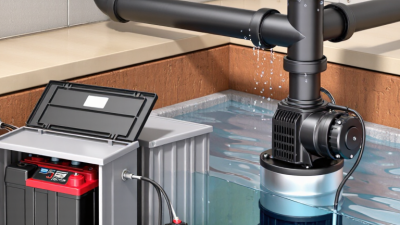
A sump pump can fail just when heavy rain drives water toward the basement. FEMA notes that one inch of floodwater can cause about $25,000 in damage to a home. That figure makes backup power more than a convenience. A battery backup can keep the pump running during an outage; check its charge, connections, and alarm before storm season. If you use a portable generator, keep it outdoors and away from windows and vents. Never run it in a basement or garage.
During a storm, check the sump pit every few hours if it is safe to do so. Listen for the pump cycling, and look for a rising waterline, a tripped breaker, or a silent alarm. NOAA’s National Centers for Environmental Information recorded 28 U.S. weather and climate disasters with losses exceeding $1 billion in 2023; that total is a reminder that severe events can strain homes and infrastructure, not a forecast for any one basement. Keep a flashlight nearby. Test the float switch by raising it gently, and confirm that backup power starts the pump. I can see how a routine test slips off the calendar. Put it beside another seasonal chore, and write down what did not work.
Suggested intervals for routine sump pump checks
Test both pumps and check the backup battery monthly. Keep the pit and discharge outlet clear, and inspect the system before storms and during heavy rain. These are general planning intervals; follow your equipment’s instructions.