A sump pump is easy to forget when the basement is dry. Then a storm rolls in, water gathers around the foundation, and the pump stays silent. These sump pump problems often begin with small, visible clues: a float switch caught against the pit wall, a clogged intake, a tripped breaker, or a discharge pipe blocked by debris. A few minutes of careful testing can reveal trouble before rain puts the system under pressure.
Basement-waterproofing expert Larry Janesky is a useful authority to consult when evaluating water-management advice. I can’t verify a direct quotation from him on this topic, so I won’t attribute invented words to him. The practical reminder guiding this article is: “A pump can only help when it can start, move water, and send it safely away.” Test the float. Check the outlet. Listen for an unusual hum.
This guide examines ten common sump pump problems and practical ways to address them, from pumps that will not start to units that run constantly or make grinding noises. Some fixes are simple; electrical faults, damaged wiring, and persistent water intrusion deserve a qualified professional. Even a well-maintained pump can fail. That is worth remembering. A backup plan matters, too.
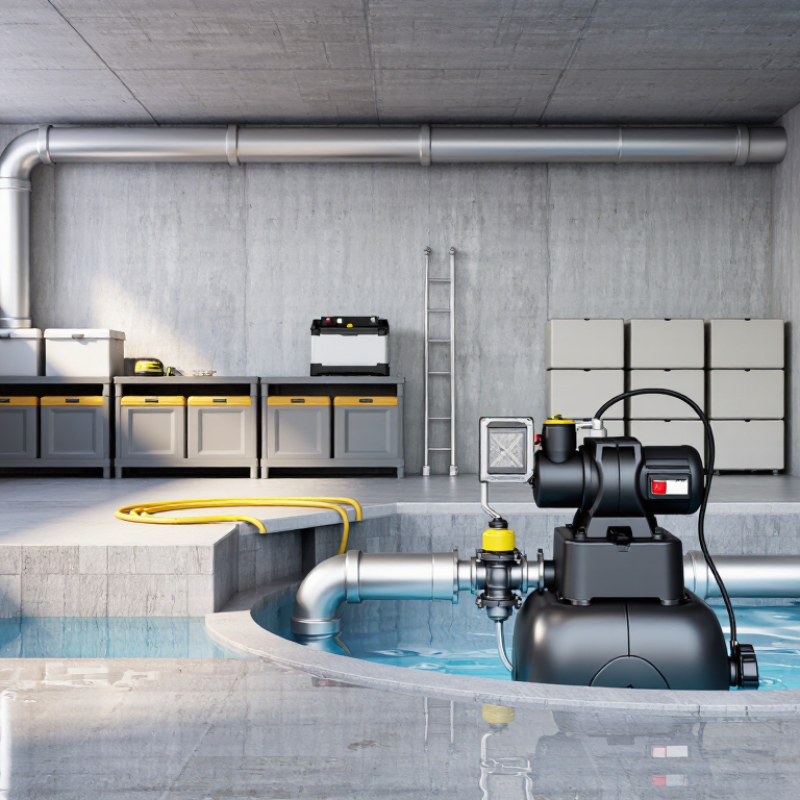
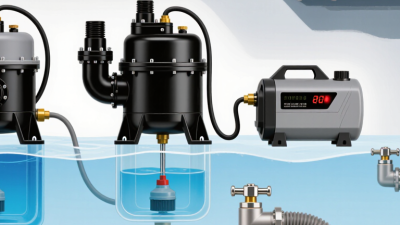
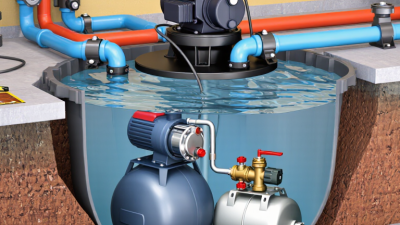
A sump pump protects a basement by moving groundwater from a collection pit to an outdoor drain. Water enters through gaps or drain lines, and the pit gradually fills. A float switch rises with the water and starts the motor at a set level. The pump then pushes water through a discharge pipe, often with a check valve that helps prevent it from flowing back. Simple in principle. But every part must work together.
Problems often begin with small changes. Dirt can build up in the pit and obstruct the float. A float may catch on the pump or pit wall, so it cannot rise freely. If the check valve sticks, water may return to the pit and trigger repeated cycles. A blocked or frozen discharge line can also strain the motor. You might hear frequent starts, unusual rattling, or silence as water rises. These signs have different causes, so avoid guessing from sound alone. During a dry spell, test the system by slowly adding water to the pit and watching the float and discharge. Disconnect power before handling the pump, and leave wiring or persistent mechanical faults to a qualified professional. I have seen a basic check overlooked: the pump works, but the water has nowhere clear to go.
A sump pump activates when rising water lifts its float switch, then pumps water out until the level drops. This illustrative cycle shows how water level changes as the pump switches on and off; actual activation levels vary by installation.
Common problems and first checks:
A sump pump often gives clues before it stops working. Listen during rain: a steady hum may mean the motor runs, while no sound can point to a power or switch problem. Check the outlet and circuit breaker from a dry location. If a ground-fault outlet has tripped, reset it only if the area is dry and the cause is clear. Safety matters.
Look into the basin with the power disconnected. A float caught against the wall, tangled in a cord, or buried under debris may not rise with the water. Gently clear visible obstructions, but do not reach into standing water near electrical equipment. Pouring a small amount of water into the basin can help test operation. Watch whether the float lifts and the pump starts. No response? Stop there.
If the motor runs but water remains, inspect the inlet for blockage and check the discharge pipe outside for ice, kinks, or a closed valve. A pump that starts repeatedly may have a stuck float, a leaking check valve, or water returning through the pipe. Notice how often it cycles; a quick phone note can reveal a pattern. I’ve found diagnosis is not always tidy: several small issues can look alike. If wiring is wet, the breaker trips again, or the pump still fails, call a qualified service professional. Don’t keep testing it.
A sump pump may stop because it has lost power, its float switch is stuck, or its intake is clogged with grit. Check the outlet and breaker first; reset a tripped circuit only once. Unplug the pump before clearing debris. If the float catches on the basin wall, reposition it so it can rise freely. A blocked or frozen discharge pipe can send water back into the pit. Clear accessible debris, but call a qualified technician if the pipe is damaged or buried.
Other common problems include a failed check valve, a humming motor that will not start, frequent cycling, unusual vibration, and a pump that cannot keep up with heavy inflow. Replace a faulty check valve with a compatible part. A humming or hot motor may be jammed or failing; switch off power and arrange professional inspection. Frequent starts can point to a stuck float, a small basin, or water returning through the pipe. Tighten loose supports to reduce rattling. If water rises faster than the pump can remove it, the unit may be undersized or the drainage system may need attention. The cause is not always obvious.
Tips: Test the pump by slowly pouring water into the basin and watching the float and discharge. Keep the lid and inlet clear, and inspect the system before rainy seasons. Never handle wiring with wet hands. I’ve learned that a quick visual check can miss a hidden pipe blockage, so persistent trouble deserves a closer inspection.
| Problem | Common Signs | Likely Causes | How to Fix It | Prevention |
|---|---|---|---|---|
| 1. Pump will not turn on | Water rises in the pit, but the pump stays silent. | Power outage, tripped breaker, unplugged cord, faulty switch, or failed pump. | Check the breaker and plug, and test the outlet safely. If power is available but the pump does not run, have the switch or pump inspected. | Test the pump periodically and consider a battery backup or water alarm. |
| 2. Float switch is stuck | The pump does not start, or it keeps running after the water drops. | Debris, pit walls, pipes, or tangled cords obstruct the float. | Disconnect power before inspection. Clear obstructions and make sure the float can move freely. Replace a damaged switch. | Keep cords and discharge piping away from the float’s travel path. |
| 3. Intake screen or pit is clogged | Reduced pumping, unusual vibration, or a pump that runs without lowering the water level. | Mud, gravel, silt, or other debris blocks the intake or impeller area. | Unplug the pump, remove debris from the pit, and clean the intake according to the manufacturer’s instructions. Do not reach into a powered pump. | Inspect and clean the basin regularly, especially after heavy rain or construction work. |
| 4. Check valve is missing or failing | Water flows back into the pit after the pump stops, causing repeated starts. | A worn, stuck, incorrectly installed, or absent check valve allows water in the discharge pipe to return. | Inspect the valve and its flow direction. Clean or replace a faulty valve with a compatible unit; seek plumbing help if installation is unclear. | Check the valve during routine pump maintenance. |
| 5. Pump short-cycles | The pump switches on and off frequently, sometimes within a short period. | Water is returning through the discharge line, the float range is too narrow, or the pump is oversized for the inflow. | Check the check valve and discharge line, then verify that the float moves freely and has the required operating range. Ask a qualified technician to assess sizing if cycling continues. | Record how often the pump runs and investigate sudden changes. |
| 6. Pump runs continuously | The motor does not stop even when the water level is low. | A stuck switch, continuous groundwater inflow, a blocked discharge line, or insufficient pump capacity. | Check for switch obstructions and visible discharge blockages. If the pump overheats or the water keeps entering faster than it can be removed, contact a professional. | Keep the outlet clear and arrange an inspection if continuous operation is recurring. |
| 7. Pump runs but does not remove water | The motor runs, but the pit level changes little or not at all. | Blocked or damaged discharge piping, clogged intake, air lock, or a worn impeller. | Disconnect power and check for visible blockages or a closed discharge valve. Follow the pump manual for clearing an air lock; have internal damage serviced. | Keep the discharge route clear and inspect it after freezing weather. |
| 8. Pump is unusually noisy or vibrating | Grinding, rattling, or excessive vibration while operating. | Loose piping, debris in the impeller, worn bearings, or a pump touching the basin wall. | Unplug the pump before checking for loose objects or contact with the basin. Arrange service if grinding continues or the pump shakes heavily. | Keep the pump upright on a stable base and secure nearby piping. |
| 9. Discharge line is frozen or blocked | The pump runs during cold weather, but water does not discharge normally. | Ice, debris, or a kink obstructs the discharge line or outlet. | Disconnect power and inspect accessible sections. Do not use an open flame to thaw piping. If the line is frozen or inaccessible, contact a plumbing professional. | Route and protect the discharge line to reduce freezing risk, following local requirements and pump instructions. |
| 10. Backup battery or alarm fails | The backup system does not activate during a power outage, or an alarm gives a low-battery warning. | A discharged or aging battery, loose connection, failed charger, or faulty alarm sensor. | Check indicator lights and connections according to the system manual. Recharge or replace the battery as specified; test the alarm and backup pump safely. | Test the backup system regularly and replace batteries at the interval specified by the manufacturer. |
Safety note: Disconnect electrical power before inspecting or cleaning a sump pump. Never stand in water while handling electrical equipment; contact a qualified professional if the outlet, wiring, pump, or discharge plumbing may be unsafe.
Call a professional when the pump runs but water keeps rising, the breaker trips, or you smell burning. These signs can point to a failed motor, blocked discharge line, or electrical fault. Do not reach into standing water or open electrical components. A technician can test the float switch, check valve, and discharge route safely. FEMA warns that just one inch of indoor floodwater can cause about $25,000 in damage. That is a costly time to guess.
The Insurance Information Institute reports that water damage and freezing account for a significant share of homeowners’ claims; its 2018–2022 data puts the average claim at $12,514. A noisy pump is not automatically failing, but repeated cycling, rust, or a motor that overheats deserves prompt inspection. Clear debris from the pit and check that the float moves freely. If the discharge pipe is frozen or clogged, avoid forcing the pump to run.
Replacement makes sense when repairs keep recurring, the casing is badly corroded, or the pump cannot keep up during heavy rain. Many units last roughly seven to ten years, though workload and maintenance matter. A professional can confirm the right capacity and install an alarm or backup system. I would not replace a pump based on age alone; that can waste money. But waiting for a complete failure can leave water across the basement floor.
A sump pump works best when small problems are caught early. Once a month, check that the basin is clear of leaves, gravel, and other debris. Look for a float that moves freely and a power cord that is dry and undamaged. Before inspecting inside the basin, disconnect power safely; never reach into standing water near electrical equipment. During wet seasons, check more often. A quick glance is useful, but it is not a full inspection.
Tips: Pour a bucket of water into the basin to test the pump, if the area is dry and safe. Listen for a steady start and stop. Confirm that water leaves through the discharge pipe and drains away from the foundation. Keep the pipe opening clear of mud and ice.
Test any backup battery according to its instructions, and replace it when its condition or age calls for it. Note unusual humming, repeated cycling, or a pump that runs without moving water. These signs can point to a stuck float, blocked line, or worn component. Keep a simple log of tests and repairs. It is easy to forget when the last check happened. If the pump trips a breaker, smells hot, or fails during a test, stop using it and contact a qualified professional. Regular care reduces risk, though no routine can prevent every failure.