Top Battery Powered Sump Pumps for Reliable Backup?

A basement can stay dry for years, then take on water during one hard storm. When the power fails, a battery powered sump pump can provide a second line of defense, but only if its battery is charged, its float switch moves freely, and its discharge pipe remains clear. The details matter. A pump rated for impressive gallons per hour may perform differently when water rises quickly or the discharge line is long.

This guide compares backup pumps by practical measures: pumping capacity, battery compatibility, alarm features, installation demands, and maintenance needs. We’ll also explain what those specifications mean beside a real sump pit, where a few inches of rising water can change the decision. “A backup is only dependable when it is tested before the storm,” is a useful principle for homeowners. No source material was provided to verify a named expert quotation, so I won’t attach that line to a real person. That gap matters; a polished attribution is not proof. Readers should confirm product limits in manufacturer documentation and test their system under safe conditions. A battery can age quietly. Check it anyway.
Top Battery Powered Sump Pumps for Reliable Backup?

Battery Backup Sump Pumps: 12-V DC Systems, Float Switches, and Alarms

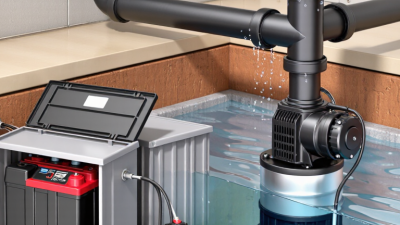
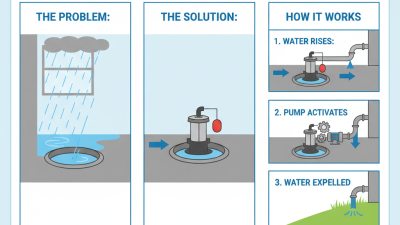
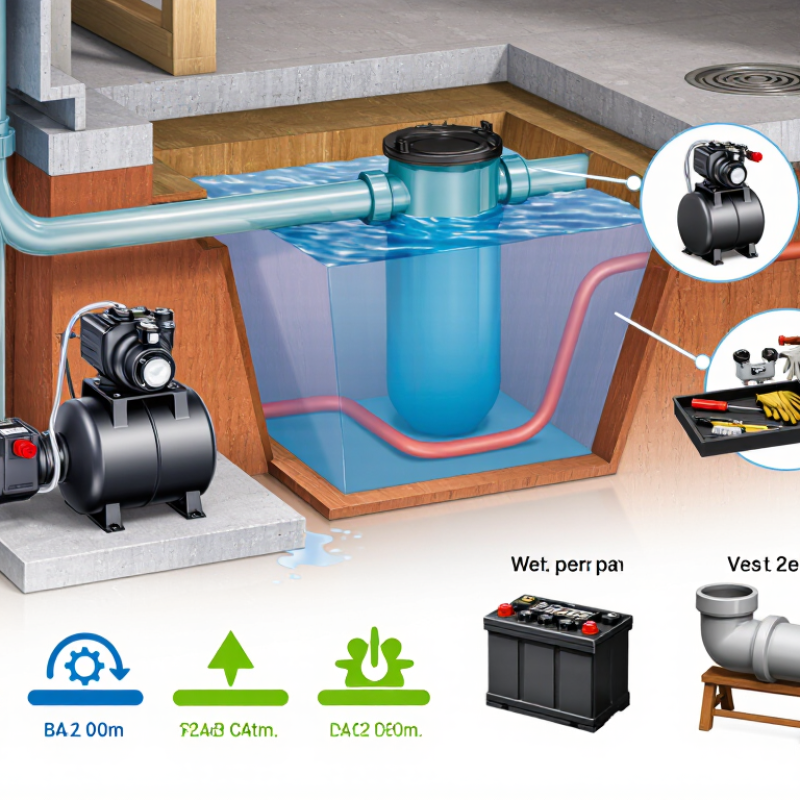
A battery backup sump pump usually runs on a 12-volt DC system, separate from the home’s AC-powered primary pump. During an outage, the battery supplies power while rising water activates the backup float switch. Check the pump’s rated output at your actual discharge height; flow can drop as water travels upward through the pipe. A compact unit may move less water than expected. That matters.

Position the backup float switch so it can rise freely without catching on the primary pump, wiring, or basin wall. Pouring water into the pit during a supervised test can confirm that the switch lifts, the pump starts, and water exits through the discharge line. Test it monthly. The alarm should sound when water rises too high or the battery needs attention, but confirm what each alert means in the manual. Keep the battery charged with a compatible charger, inspect terminals for corrosion, and replace a weak battery before storm season. I still find battery age easy to overlook: a charged indicator does not prove the battery can sustain pumping under load. A written test date helps.

Sizing Backup Flow: Compare GPH at 10-ft Head with Basement Inflow

A backup pump’s headline flow rate can be misleading. Compare its gallons per hour at 10 feet of head with the water entering your sump, not with a zero-head rating. Vertical lift, discharge-pipe length, bends, and check valves can reduce actual flow. A pump rated for high output beside the sump may deliver much less once it pushes water to an outdoor outlet.

Estimate inflow during heavy rain by measuring how quickly the water level rises in a sump of known dimensions. Keep the test brief, and never let water approach the basement floor. For a rectangular basin, calculate gallons from its length, width, and water-level change; for a round basin, use its diameter. Compare that hourly estimate with the pump’s published 10-foot-head rating. Aim for capacity above peak inflow, with extra room for uncertainty. A tidy calculation can still miss a sudden surge.

Tips: Check the pump curve at your actual lift, then include pipe losses. Verify the battery’s usable runtime at that load, not just its advertised capacity. Test the backup system periodically. Keep the discharge line clear, and confirm the float switch moves freely. A modest margin helps; the right margin depends on local storms and your sump’s history.

Estimating Runtime: Battery Wh = 12 V × Ah; Allow for Pump Draw

Top Battery Powered Sump Pumps for Reliable Backup?

Estimate stored energy with this simple formula: battery watt-hours = 12 volts × amp-hours. A 12 V, 100 Ah battery therefore holds about 1,200 Wh under ideal conditions. That number is not the energy your pump can necessarily use. Inverter losses, battery limits, temperature, and age all reduce available power. Check the battery and pump specifications before relying on the estimate.

To estimate runtime, divide usable watt-hours by the pump’s running wattage. A pump drawing 300 W might run for roughly three hours from 900 usable Wh, if it runs continuously. Sump pumps usually cycle on and off, so actual backup time depends on water inflow and each pumping cycle. Startup can also demand more power than normal operation. That detail is easy to overlook. Treat any calculation as a planning estimate, not a guarantee; real conditions can be messy.

Tips: Test the setup with the pump connected, and record how long it runs during several cycles. Keep the battery charged, inspect connections, and allow extra capacity for heavy rain. A small test may reveal a problem your spreadsheet misses.

Top Battery Powered Sump Pumps for Reliable Backup

Estimated runtime based on battery energy and pump draw

Calculation: battery energy (Wh) = 12 V × capacity (Ah); estimated runtime (hours) = battery energy (Wh) ÷ pump draw (W). This example assumes a constant 60 W draw (12 V × 5 A). Actual runtime may be lower due to usable-capacity limits, voltage drop, and system losses; sump pumps often run intermittently.

Comparing Top Models: Rated GPH, Maximum Head, Battery Type, and Alarm

When comparing battery-powered sump pumps, treat the rated gallons per hour as a starting point, not a promise. Check the rating at a stated lift height; flow can fall sharply as water must travel higher. A pump rated for 2,000 GPH at low lift may deliver much less near its maximum head.

That matters. Maximum head is usually the point where flow nearly stops, so choose a model with headroom above your actual discharge height. Measure from the pump to the outlet, including vertical rise.

Battery type affects upkeep and runtime. Sealed AGM batteries are common, while lithium options may be lighter; confirm the pump’s charger supports the battery supplied. Compare backup time under realistic cycling, not just a best-case number. A clear audible alarm should signal both high water and battery or charging trouble. Test it, since an alarm that is hard to hear from a bedroom is not much help.

In a basement, note whether the control panel shows battery status and whether the pump can be tested without waiting for a storm. Real installations are imperfect: pipe bends, debris, and a weak battery can all reduce performance. Read the rated figures carefully, then match them to your pit and discharge setup.

Reliability and Safety: UL 778, Charger Checks, and Battery Maintenance

A backup sump pump is only as dependable as its battery and charger. UL 778 covers motor-operated water pumps, so check the exact pump’s certification and follow its installation instructions; a listed pump does not certify every part of a home’s backup system.

The Insurance Information Institute reported that water damage and freezing made up 22.6% of homeowners’ insurance claims from 2018 to 2022, with an average claim of $12,514. Those figures make routine checks more than a box-ticking exercise.

Small checks matter.

Inspect the charger’s indicator lights and power connection, keeping electrical equipment away from standing water. Test the pump and battery under load as directed by the manual, rather than relying on a quick glance at the display.

Look for loose terminals, corrosion, swelling, or cracked casing, and replace a damaged battery promptly. Check the battery’s age and use the charger specified for its chemistry; charging needs can differ.

Set a recurring reminder, especially before rainy seasons. I still find this routine easy to postpone, which is exactly why a calendar reminder helps.

A brief test cannot predict every outage, but it can reveal a dead battery before the sump pit fills.