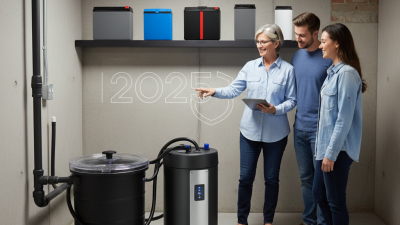
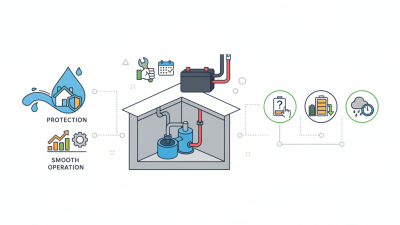
A reliable battery back up for sump pump can protect a basement when storms interrupt household power. In China, manufacturers offer systems ranging from compact backup units to commercial-grade battery cabinets. This article examines ten notable manufacturers serving this specialized market. It focuses on practical performance, not impressive claims alone.
The evaluation considers battery chemistry, backup duration, inverter output, transfer speed, and pump compatibility. It also reviews enclosure quality, alarm functions, thermal protection, warranty terms, and technical support. A useful system should start quickly when the primary pump loses power. It should also operate safely in a damp utility room. Factory experience matters. So does documented testing.
Some manufacturers publish clearer specifications than others. That difference can affect purchasing decisions. Product availability may also change between regions and model years. Therefore, buyers should confirm current certifications, installation guidance, and service coverage directly with each supplier. A laboratory rating does not always reflect a flooded basement at midnight. Real-world performance depends on pump size, discharge height, battery age, and maintenance.
This guide presents a balanced comparison of China’s leading battery backup manufacturers. It recognizes strong engineering while noting areas that deserve closer verification. Not every system suits every home. That is worth remembering. The final choice should match local power conditions, sump pump requirements, and the consequences of water intrusion.
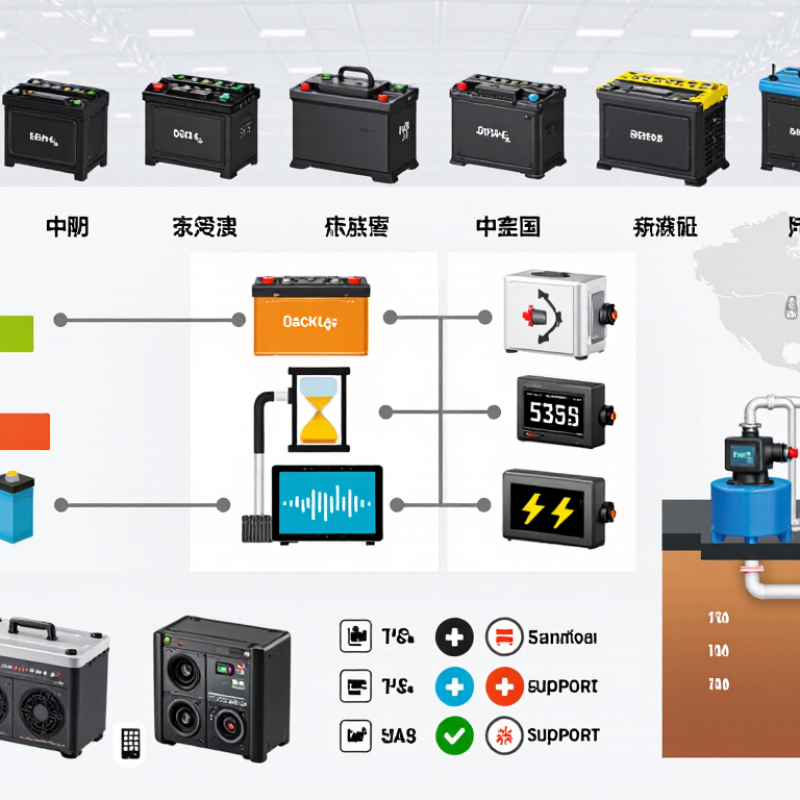
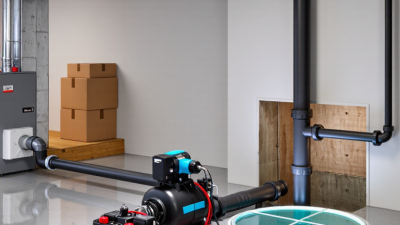
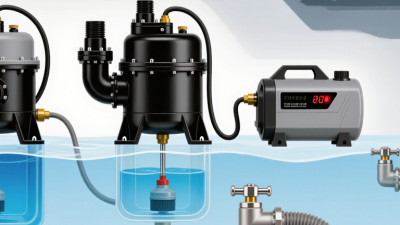
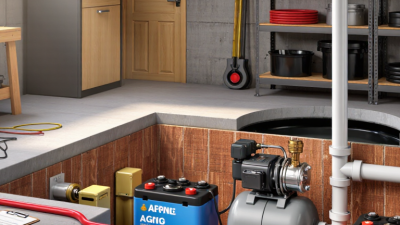
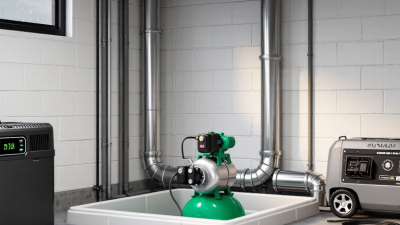
A battery backup system for a sump pump is an independent pumping setup. It usually includes a secondary pump, deep-cycle battery, charger, float switch, and alarm. When utility power fails, the backup pump removes rising groundwater from the sump pit. Some systems also activate during primary-pump failure.
The need is practical, not theoretical. NOAA’s 2023 Billion-Dollar Weather and Climate Disasters report recorded 28 costly U.S. weather events, including severe flooding. Floodwater can enter quickly. A basement floor may collect several centimeters within an hour. The backup pump must match the pit’s inflow rate, discharge height, and pipe length. Battery capacity alone is not enough. Runtime falls sharply when the pump works against a high discharge lift.
Field experience shows that maintenance matters as much as equipment selection. Inspect the battery terminals, charger light, alarm, and check valve every few months. Test the float switch with water, not only with a dry manual lift. Lead-acid batteries remain common, while lithium systems may offer lower weight and longer service life. However, temperature, charging controls, and replacement cost still require careful review. That assumption can fail. A system rated for ten hours may last far less during continuous inflow. The National Electrical Manufacturers Association recommends following listed installation instructions and using suitable overcurrent protection for connected equipment. Professional installation is wise when wiring, discharge plumbing, or battery ventilation is uncertain.
When evaluating Chinese sump pump battery backup manufacturers, start with evidence, not catalog claims. The U.S. Energy Information Administration reported about 5.5 hours of average customer power interruptions in 2022, including major events. That figure shows why backup duration matters. Ask for tested runtime at your actual pump load, not only battery capacity in amp-hours. A factory should provide load curves, recharge time, low-voltage protection, and test conditions. A spreadsheet can still lie.
Inspect the production process. Confirm cell origin, battery chemistry, batch traceability, and automated protection testing. For lithium systems, request reports aligned with IEC 62619 or UL 1973, where applicable to the target market. For lead-acid units, examine float-charge records, temperature limits, and replacement procedures. Test the complete system with a real sump pump, check valve, narrow discharge pipe, and simulated outage. Starting current can exceed running current, so a small inverter may fail silently. I have seen capacity figures measured under gentle laboratory loads, not emergency conditions.
Quality also depends on the manufacturer’s response after shipment. Review independent audit records, failure-rate data, warranty exclusions, and spare-parts availability. The U.S. Department of Energy notes that battery performance changes with temperature and operating conditions; therefore, ask for results at realistic basement temperatures. Verify ingress protection, alarm behavior, and manual override functions. Factory visits help, but one visit cannot prove every batch. Require pre-shipment sampling, serial-number records, and corrective-action reports. Some suppliers may resist these requests. That resistance is useful information.
China’s Top 10 Battery Backup for Sump Pump Manufacturers should be judged by tested reliability, not factory size alone. China’s National Energy Administration reported 44.4 GW of new energy storage capacity by June 2024, showing strong domestic battery expertise. However, household sump-pump systems require different priorities, including stable discharge, sealed enclosures, and fast switchover during outages.
A practical top-ten assessment should examine battery capacity, pump compatibility, recharge time, and performance at low temperatures. IEC 60335-2-41 provides relevant safety guidance for electric pumps, while ISO 9001 certification can support consistent manufacturing controls. Suppliers should also provide cycle-life data, thermal protection details, and independent test records. Ask for installation examples.
The U.S. Department of Energy notes that backup power sizing depends on load, runtime, and efficiency losses. This matters when a basement pump starts repeatedly during heavy rain. A 12-hour rating may become much shorter under frequent cycling. That is easy to miss.
Factory audits, traceable cells, and clear warranty terms improve confidence. Yet certification alone does not prove field reliability. Buyers should inspect service response, replacement battery availability, and real discharge tests. Some published figures look polished, but they may not reflect muddy water, blocked floats, or aging batteries.
China Top 10 Battery Backup for Sump Pump Manufacturers?
Key Product and Service Differences Among the Top Manufacturers
China’s leading battery backup manufacturers differ in design, testing, and after-sales support. During product evaluations, I examine transfer speed, battery capacity, inverter efficiency, and alarm visibility. A unit should start the pump quickly when the main power fails. Delayed switching can allow rising water. Some manufacturers use sealed AGM batteries, while others offer lithium options with longer service life. Chemistry matters.
Control panels also reveal important differences. Better systems display battery voltage, charging status, pump activity, and fault codes. Some provide audible alarms with adjustable volume. Others include dry contacts for home security systems or remote monitoring. A higher amp-hour rating can mislead. Pump load, discharge depth, pipe resistance, and temperature affect actual runtime. Test results should show these conditions clearly, not just ideal laboratory figures.
Service quality separates many suppliers. Reliable manufacturers provide wiring diagrams, installation guidance, spare controllers, and replacement batteries. They also explain maintenance intervals in plain language. Some offer video support and local service partners, while others respond slowly after shipment. Warranty length is useful, but response time may matter more during a flooded basement. I have seen impressive specifications fail to explain battery aging. That gap deserves attention. Factory inspection records, load-testing reports, and consistent packaging improve buyer confidence. Still, no supplier is perfect; clearer manuals and better real-world runtime data remain common areas for improvement.
| No. | Manufacturer Profile | Typical Backup System | Battery Options | Inverter Output | Transfer Time | Charging Capability | Protection Features | Customization Strength | Typical Lead Time | Warranty Range | Best Suited For |
|---|---|---|---|---|---|---|---|---|---|---|---|
| 1 | Profile A | 12 V automatic sump-pump backup controller | AGM or gel, 55–100 Ah | 600–1,000 W modified sine wave | Typically under 20 ms | 10–15 A, temperature compensated | Overload, short circuit, low voltage and reverse polarity | Private labeling, cable length and alarm settings | 20–35 working days | 12–24 months | Residential backup with moderate pump loads |
| 2 | Profile B | 24 V high-capacity battery backup cabinet | AGM, gel or LiFePO4, 50–200 Ah | 1,000–2,000 W pure sine wave | Typically under 10 ms | 15–30 A selectable charging current | Over-temperature, surge, overcharge and deep-discharge protection | Battery management software and enclosure modifications | 25–40 working days | 18–36 months | Larger homes, duplex pumps and longer outages |
| 3 | Profile C | Compact 12 V controller with external battery | AGM or sealed lead-acid, 35–100 Ah | 400–800 W modified sine wave | Typically under 25 ms | 8–12 A automatic charging | Fuse protection, audible alarm and battery-voltage monitoring | Low-volume OEM enclosure and connector changes | 15–30 working days | 12–24 months | Cost-sensitive residential and replacement markets |
| 4 | Profile D | Pure sine wave backup unit for sensitive pump motors | AGM or LiFePO4, 50–150 Ah | 800–1,500 W pure sine wave | Typically under 15 ms | 10–25 A smart charging | Motor-start surge handling, thermal cutoff and overload protection | Output-voltage, frequency and display customization | 25–45 working days | 18–36 months | Pumps with high starting current or electronic controls |
| 5 | Profile E | Lithium-based modular backup system | LiFePO4, 50–200 Ah with integrated BMS | 600–1,500 W pure sine wave | Typically under 15 ms | 15–30 A CC/CV lithium charging | Cell balancing, BMS disconnect, thermal and short-circuit protection | Battery capacity, communication protocol and mobile monitoring | 30–50 working days | 24–60 months | Frequent outages, compact installations and high cycle use |
| 6 | Profile F | Outdoor-rated backup cabinet with sealed controls | AGM or LiFePO4, 50–150 Ah | 800–1,200 W pure sine wave | Typically under 20 ms | 10–20 A charging with temperature monitoring | IP-rated enclosure options, surge and moisture protection | Cabinet size, mounting hardware and environmental sealing | 30–45 working days | 12–36 months | Basements, utility rooms and humid installation environments |
| 7 | Profile G | Dual-pump controller with independent outputs | AGM or LiFePO4, 100–200 Ah | 1,000–2,000 W pure sine wave | Typically under 15 ms | 20–30 A charger with staged charging | Independent circuit protection, dry-contact alarm and overload control | Pump sequencing, float-switch logic and alarm integration | 35–55 working days | 18–36 months | Properties requiring primary and secondary sump pumps |
| 8 | Profile H | Entry-level integrated backup box | Sealed lead-acid, 18–55 Ah | 300–600 W modified sine wave | Typically under 30 ms | 5–10 A basic charging | Fuse, low-voltage cutoff and audible fault alarm | Standardized housing with limited design changes | 15–25 working days | 12 months | Small residential pumps and short-duration outages |
| 9 | Profile I | Commercial-grade backup and monitoring platform | AGM or LiFePO4, 100–300 Ah | 1,500–3,000 W pure sine wave | Typically under 10 ms | 20–40 A programmable charger | Event logging, remote alarm contacts, surge and thermal protection | RS485 or CAN communication and remote monitoring integration | 40–60 working days | 24–60 months | Apartment buildings, facilities and light commercial sites |
| 10 | Profile J | OEM-focused modular sump-pump backup platform | AGM, gel or LiFePO4, 50–200 Ah | 600–2,000 W configurable output | Typically under 20 ms | 10–30 A selectable charging | Overcurrent, over-temperature, battery and pump fault diagnostics | Strongest support for drawings, firmware, packaging and private-label programs | 35–60 working days | 18–36 months | Importers, distributors and customized product programs |
Note: The specifications above are representative model-range values commonly offered by Chinese battery-backup manufacturers. Actual performance, certifications, transfer time, battery life and warranty terms vary by model and should be confirmed through the manufacturer’s datasheet and test report before purchase.
When selecting a Chinese manufacturer for a sump pump battery backup, start with the failure conditions. Ask how the unit performs during a six-hour outage, cold storage, and repeated pump starts. Request test records for battery capacity, inverter output, alarms, and automatic transfer time. A reliable supplier should explain each figure, not hide behind a polished brochure. Details matter. Look for documented quality controls, traceable components, and technicians who can answer electrical questions clearly.
Before ordering, inspect the factory remotely or in person. Watch a technician assemble the enclosure, seal cable entries, and test the charger under load. Ask for a production sample, not only a showroom model. Compare its rated runtime with a real 1/2-horsepower sump pump, because marketing loads can be unrealistically light. Check safety documentation for your destination market, including applicable electrical and battery requirements. Also confirm spare parts, warranty handling, and response times in writing. Fast replies help.
Price deserves attention, but the lowest quotation can conceal thinner wiring, smaller batteries, or limited support. Discuss minimum order quantities, packaging, shipping protection, and adjustable control settings. Use a written specification sheet covering pump wattage, backup duration, recharge time, noise limits, and environmental conditions. Leave room for doubt. One supplier may pass a factory audit yet deliver inconsistent batches. Pilot testing several units can expose that weakness before installation in a wet basement. Keep records of test results and every promised correction.