Choosing a water commander supplier is not just a price comparison. Buyers need equipment that matches their application, dependable documentation, and support after delivery. Leonardo da Vinci, the Renaissance engineer, observed, “Water is the driving force of all nature.” The reminder is useful: water systems depend on sound decisions and reliable components.
This guide to the Top 10 Water Commander Suppliers for Global Buyers offers a practical starting point for comparing vendors. Check each supplier’s product range, specifications, warranty terms, spare-parts availability, and technical support. Ask for current datasheets and written confirmation of model compatibility. Details matter. A clear product photo cannot confirm performance, and a low quote may exclude essential parts or service.
Compare delivery estimates and communication, too. A supplier’s ability to explain installation requirements can be as valuable as its catalog. Buyers should verify claims directly with manufacturers or authorized distributors, since product names and availability may differ by region. Keep records of answers. They help reveal gaps.
No ranking can replace a project-specific assessment. Requirements vary by site, operating conditions, and local service access. This overview is intended to help buyers ask better questions, not to guarantee supplier performance. Some listings may look stronger on paper than they prove in practice. Use the shortlist as a starting point, then request evidence before placing an order.
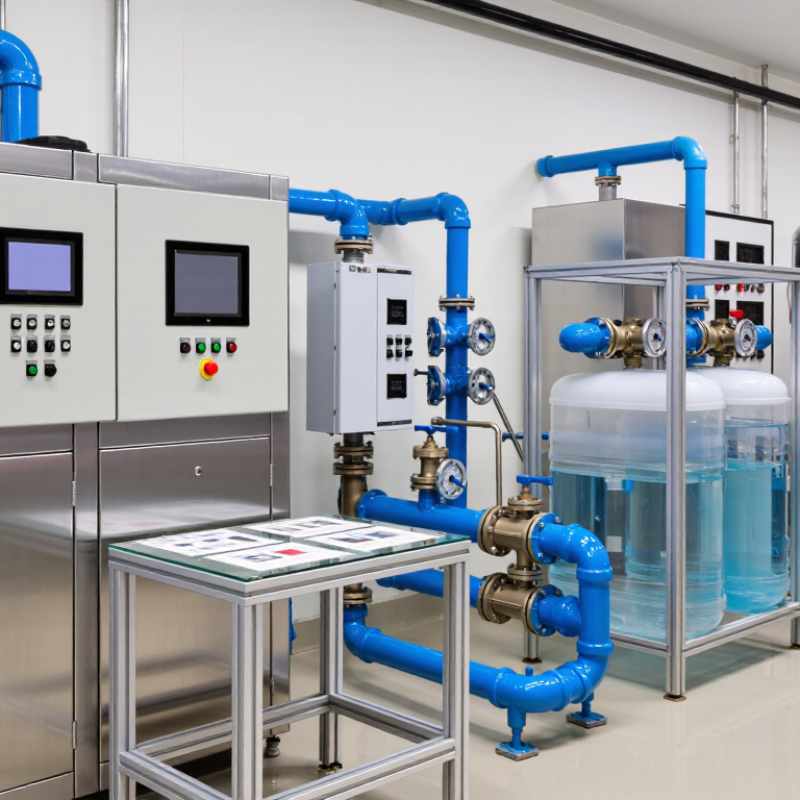
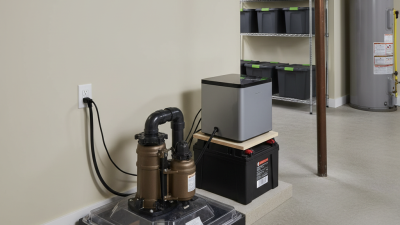
Water Commander products are water-powered backup sump pumps. They use pressurized household water to create suction, lifting standing water from a sump pit when an electric pump fails or loses power. Typical applications include basement drainage, crawlspaces, and utility rooms with a suitable sump basin. They are backups, not universal replacements: performance depends on municipal pressure, plumbing capacity, and a clear discharge route.
The need is practical. NOAA’s 2023 Billion-Dollar Weather and Climate Disasters report counted 28 U.S. events, causing about $92.9 billion in damage. FEMA also reports that more than 40% of National Flood Insurance Program claims come from outside high-risk flood zones. That does not mean every property needs a backup pump. It does support checking local drainage, past water intrusion, and the sump’s discharge path before choosing equipment.
Buyers should compare required inlet pressure, pumping capacity, water consumption, connection size, and installation access. A narrow pit or a long, uphill discharge line can reduce real-world performance. Ask for test conditions behind any advertised capacity; figures measured under ideal pressure may not match a home’s supply. Installation should include appropriate backflow protection and follow local plumbing requirements. And test the unit periodically. A backup that has never been tested is only a hopeful assumption. Water-powered systems also consume potable supply while operating, a trade-off worth weighing carefully.
Understanding major water-use applications can help global buyers evaluate pumping and water-management product requirements.
Agriculture accounts for approximately 70% of global freshwater withdrawals, industry about 19%, and municipal use about 11%. These are broad global estimates; shares vary by country and measurement method. Source: FAO AQUASTAT / UN water-use estimates.
Top 10 Water Commander Suppliers for Global Buyers
How to Evaluate Suppliers for International Purchasing
A supplier’s website can look convincing. Check the equipment details instead. Ask for operating pressure, flow range, connection sizes, material specifications, and clear installation drawings. Confirm that the proposed model matches your water source and site conditions, not just the purchase description. Small mismatches can delay installation.
Request recent test records and documentation required by your destination market. Clarify how units are inspected before shipment, and ask who handles packaging, freight coordination, and replacement parts. Compare the full delivered cost, including tooling, duties, and service—not only the quoted unit price. Get terms in writing.
Communication matters. Send a practical question about a drawing or delivery schedule, then note how precisely the supplier responds. Ask for references from buyers with similar applications, while remembering that references are not guarantees. No scorecard is perfect. A low price may be tempting, yet vague testing or slow replies can create expensive uncertainty. Review samples or arrange independent checks when the project risk justifies the extra time.
A useful profile of a water-system supplier starts with its practical role. One may focus on equipment production and provide material specifications. Another may offer custom configurations for different flow rates. A third may keep common components in regional stock. These differences affect lead times, not just quotations. Ask for dated inventory information.
Other profiles reveal service strengths. A supplier with installation experience should explain site checks, pipe connections, and commissioning steps. A testing-focused supplier may provide sample procedures and clear readings. A maintenance specialist should identify routine inspections and replacement intervals. Some suppliers handle export packing and shipping documents; others work best with local deliveries. Small-order suppliers can suit pilot projects, though their spare-parts coverage may be limited.
The remaining profiles may emphasize replacement components, technical training, or application support. Check whether staff can answer specific questions about pressure, water quality, and operating conditions. Request manuals, warranty terms, and references for comparable installations. Clear records matter. A polished brochure is not proof of performance. It is also worth noting that supplier descriptions can leave gaps: response times, service boundaries, and long-term parts availability often need direct confirmation. A comparison based on written evidence is more dependable than a broad claim of expertise.
A useful comparison of the top 10 water commander suppliers starts with product range, not headline claims. Check whether each supplier offers complete systems, replacement parts, control units, and compatible accessories. Ask for operating curves, flow-rate limits, and installation dimensions. A pump that looks suitable on paper may not fit an existing pipe layout.
Quality needs evidence. Request material specifications, pressure-test records, warranty terms, and details about inspection procedures. Stainless components can resist corrosion, but performance still depends on water conditions and maintenance. Look for clear guidance on cleaning and spare-part replacement. Some product pages leave these details vague. That is worth noticing.
Global support can matter as much as the equipment itself. Compare response times, technical documentation, remote troubleshooting, and access to service technicians in your region. Confirm shipping options and whether replacement parts are normally stocked nearby. A supplier may serve many countries yet offer uneven local support. Ask practical questions before ordering, such as who handles a fault report and how quickly a worn seal can be replaced. Keep the answers in writing. It takes a little longer, but assumptions are costly.
This comparison covers supplier types rather than named companies or brands. Product availability, certifications, export capability, and service vary by supplier and market; verify them directly before ordering. For water-powered backup sump pumps, confirm that local water pressure, flow, plumbing connections, and discharge arrangements meet the specific product requirements.
| No. | Supplier Type | Typical Product Range | Quality Checks for Buyers | Global Support Considerations | Best Suited For |
|---|---|---|---|---|---|
| 1 | Specialist backup-pump manufacturer | Water-powered backup sump pumps, battery backup pumps, alarms, controllers, and compatible fittings. | Request product test documentation, installation instructions, warranty terms, and stated operating-pressure and flow requirements. | Check whether manuals, replacement parts, and technical assistance are available in the destination market. | Buyers seeking a focused backup-pump product range and product-specific technical guidance. |
| 2 | Residential sump-pump manufacturer | Primary sump pumps, backup units, float switches, check valves, basins, and related accessories. | Compare published performance curves, materials, electrical ratings, applicable safety approvals, and warranty coverage. | Confirm local voltage compatibility for electric equipment and identify regional service or replacement-part channels. | Projects that need primary and backup drainage equipment from a coordinated product range. |
| 3 | Plumbing and water-systems manufacturer | Water-control valves, pressure-management components, plumbing fittings, and selected pumping equipment. | Check material specifications, pressure ratings, connection standards, and suitability for potable-water contact where relevant. | Confirm that thread types, pipe standards, and approved product configurations match local installation practices. | Buyers sourcing pumps together with compatible plumbing and water-control components. |
| 4 | Regional pump distributor | Products from multiple pump makers, replacement parts, installation accessories, and technical selection support. | Ask for the original manufacturer’s datasheets, traceable product identification, and written warranty details. | Local stock and service may be convenient, but international shipping and support depend on the distributor. | Buyers who value local availability, product comparison, and access to regional technical assistance. |
| 5 | National plumbing wholesaler | Plumbing-system products, valves, fittings, drainage equipment, and commonly stocked pump accessories. | Verify that the exact model is approved for the intended use and that supplied components match the product instructions. | Domestic logistics are often the main advantage; cross-border export capability should be confirmed. | Contractors and commercial buyers purchasing through established plumbing supply channels. |
| 6 | Industrial pump supplier | Commercial and industrial pumps, controls, monitoring equipment, and selected building-drainage products. | Review duty conditions, performance data, construction materials, inspection records, and the stated operating limits. | Some suppliers support international projects, but service coverage and spare-parts lead times vary by destination. | Large facilities or engineered projects requiring documented selection and system-level support. |
| 7 | Well and water-system specialist | Well pumps, pressure tanks, water-treatment equipment, controls, and certain backup or drainage products. | Confirm that the offered equipment is designed for sump backup use rather than assuming all water-system pumps are interchangeable. | Technical knowledge may be strongest in water-system applications; check export service and local code compatibility. | Buyers coordinating basement drainage equipment with a broader private-water or pressure system. |
| 8 | Building-services and mechanical distributor | Building drainage, mechanical-room pumps, controls, valves, and related installation materials. | Request model-specific documentation and verify the product’s intended residential or commercial application. | Project delivery and regional contractor networks can be useful; international after-sales support is not guaranteed. | Construction projects sourcing drainage products alongside other building-services equipment. |
| 9 | Online pump and plumbing retailer | Packaged pumps, accessories, replacement parts, and products from several manufacturers. | Check whether the seller is authorized, review return and warranty procedures, and match the model number to official documentation. | Shipping destinations, customs handling, returns, and technical support differ by retailer and country. | Smaller orders and buyers who can independently verify product compatibility before purchase. |
| 10 | Export trading company or sourcing agent | Products sourced from multiple manufacturers, often including pumps, fittings, and other water-system components. | Request the actual manufacturer’s identity, test reports, product markings, warranty issuer, and inspection arrangements. | May coordinate international freight and documentation; confirm who handles claims, spare parts, and technical questions. | Buyers managing consolidated shipments or sourcing across markets, with independent supplier verification. |
Selecting a water commander supplier takes more than comparing quoted prices. Ask for a current product datasheet showing flow rate, operating pressure, materials, power requirements, and recommended service intervals. Check that the figures match your site conditions, not just a best-case test. Details matter.
Request a sample or arrange a live demonstration when practical. Watch how the unit starts, handles changing demand, and shuts down. Ask who performs routine maintenance and which parts need regular replacement. A supplier should answer clearly and provide written warranty terms, installation guidance, and realistic lead times. Vague promises deserve follow-up.
Verify experience through references from buyers with similar water systems and operating conditions. Confirm manufacturing capacity, inspection procedures, and how defects are handled before shipment. Review relevant test reports and quality documents, checking that they apply to the exact model offered. For international orders, clarify packaging, spare-parts availability, and delivery responsibilities in writing. A polished brochure is useful, but it cannot show how support works after installation. I would also compare the supplier’s response to a detailed technical question; slow or incomplete replies can be an early warning, though one missed email alone proves little.